Health & Society Institute
Health & Society Institute
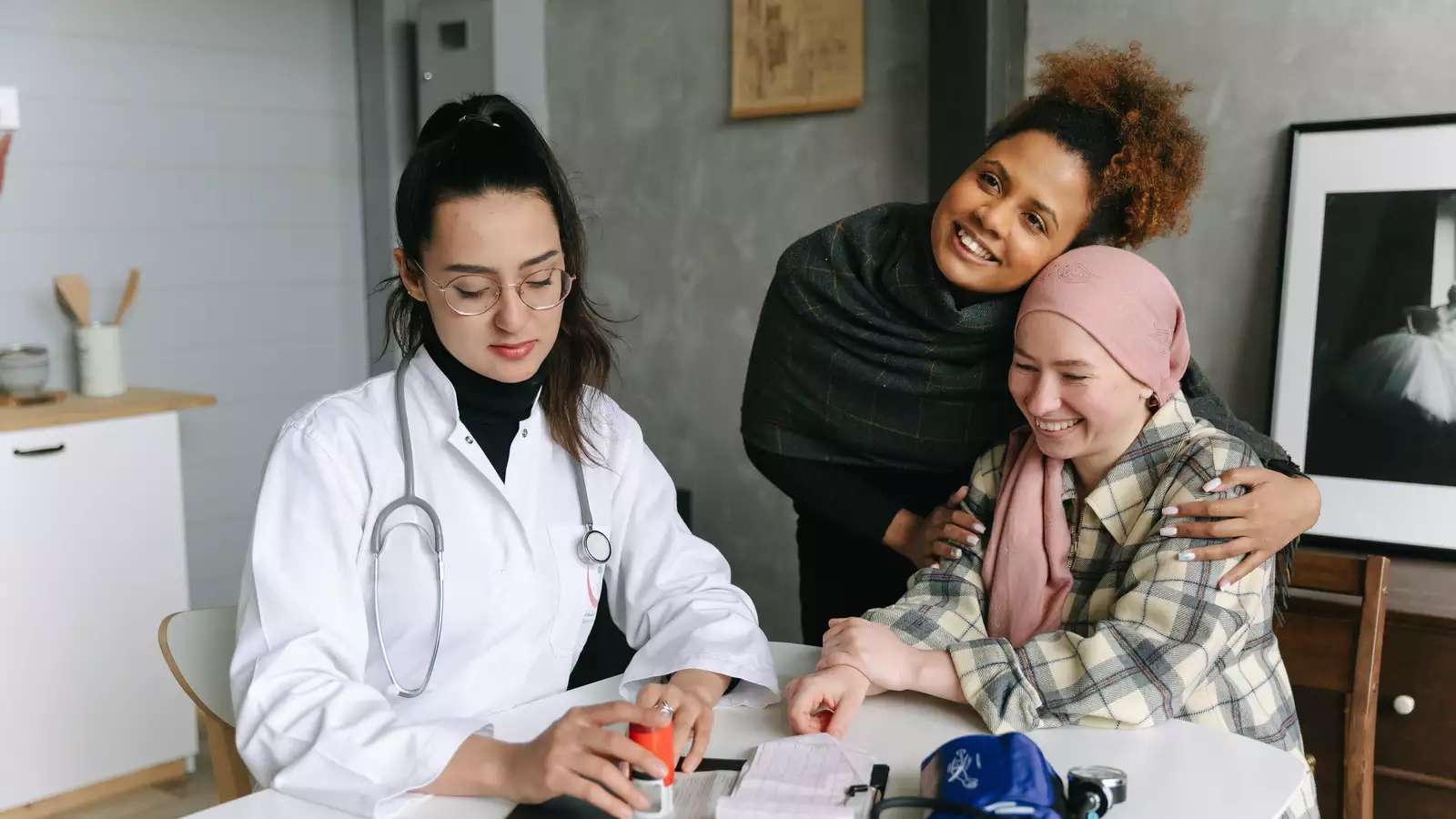
Explore How Society Shapes Health
Investigate how culture, public policy, and inequality influence health and healthcare. The Health and Society Institute is a noncredit-bearing program for high school students on Barnard’s New York City campus that examines medicine through a social science perspective.
Your coursework connects health and society with qualitative research. You’ll bring classroom ideas into a research project, learning to develop focused questions and investigate them through interviews that explore people’s experiences.
Academic Experience
Both components run throughout your session, connecting the study of health and society with the practice of qualitative research.
Health and Society
Examine how medical knowledge develops and whose perspectives shape definitions of health and illness. Through readings and discussion, you’ll explore how healthcare systems operate and why advances in medicine benefit some communities more than others.
Qualitative Research
Develop a research question and learn how to investigate it through interviews. As you work with participants and interpret their accounts, you’ll consider the ethical choices involved in conducting research and representing someone else’s experiences.
Academic Outcomes
Your participation in HSI will be recognized with a Certificate of Completion. An individual instructor evaluation will document your academic work and be added to your Barnard applicant record upon program completion.
Meet Your Instructors
Gina Jae
Gina Jae is a medical anthropologist and currently term assistant professor in the Department of Anthropology at Barnard College. Before becoming an anthropologist, she was clinically trained in internal medicine and pediatrics; in a nutshell, Gina enjoys learning from people and their social ecologies. Her scholarly interests include the study of power relationships in the making of scientific and clinical knowledge, the repercussions of introducing novel technologies to address existing resource scarcities, and the ethics and politics of ethnographic research methods.
Maxine Weisgrau
Maxine Weisgrau, PhD, is a cultural anthropologist and Adjunct Associate Professor of International and Public Affairs at Columbia University’s School of International and Public Affairs (SIPA). She teaches undergraduate and graduate courses at Barnard, Columbia, NYU, and The New School, focusing on gender, development, reproduction, tourism, and qualitative research. Author of Tapestry of Culture, she brings extensive fieldwork experience studying NGOs in India and a passion for helping students apply anthropological perspectives to their everyday lives.
Learning in New York
Consider how access to care and community resources varies across New York City. Academic visits or guest speakers may help you connect these local experiences with the questions about medicine, expertise, and inequality you’re examining in class, bringing new perspectives to your research.
Foundations for Well-Being
All HSI students participate in Foundations for Well-Being, a required series focused on the transition to college. These sessions offer opportunities to consider how you’ll manage new responsibilities and build routines that support your learning and well-being.
Plan Your HSI Summer
HSI offers two separate three-week sessions, with residential and commuter options available. You may apply to Session I, Session II, or both.
- Session I: June 28 – July 16, 2027
- Session II: July 19 – August 6, 2027
Summer 2027 applications open December 1, 2026.