Asian & Middle Eastern Cultures
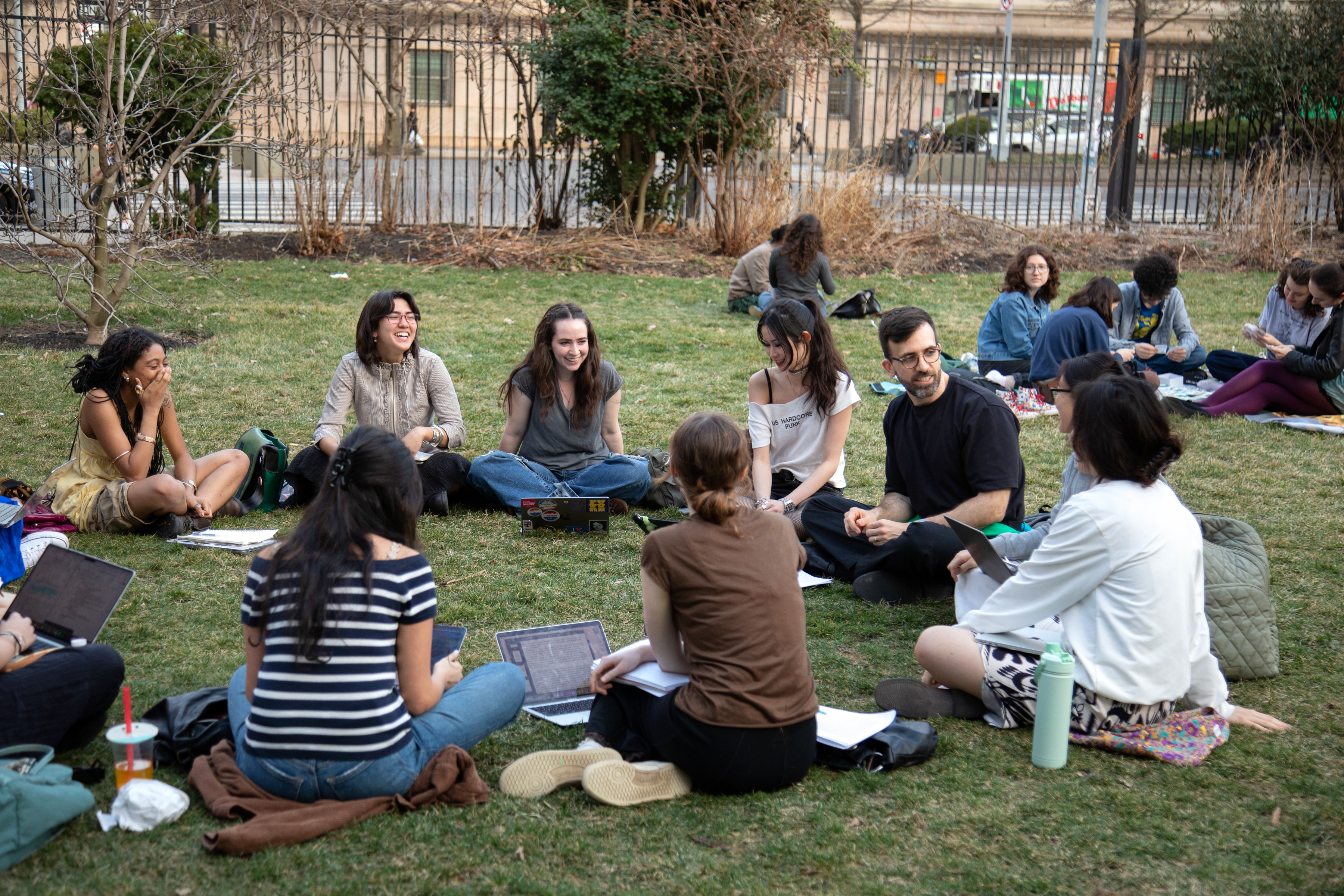
The primary aim of the Department is to introduce major Asian and Middle Eastern Civilizations and their works and values as a means of expanding knowledge of the varieties and unities of the human experience. The general courses are designed for all students, whatever their major interests, who wish to include knowledge of Asian and Middle Eastern life in their education.
AMEC is a department that prepares students both for area-specific work/further schooling and for careers that require a broad education, the ability to think, and creative vision. Past students who have majored in Asian and Middle Eastern Cultures have gone on to myriad careers, including: jobs or further study of Asia and the Middle East (i.e. State Department jobs, MA or Ph.D. study, museum curating, consultancy, NGO work, charitable foundations, advocacy work), Law school, Medical school, Veterinary school, Public Health, International Affairs, Peace Corps, education abroad, Teach for America, Divinity School, chaplaincy, jobs in climate science, publishing, writing, journalism, professional translation work, primary or secondary education, finance, private business, opera singing!
Fall 2026 Information for Current Students
Going forward, the Portal will be the primary place for schedule updates and announcements, so we recommend bookmarking it and checking in regularly.
Asian and Middle Eastern Cultures Major
Major
Why Asian and Middle Eastern Cultures
Faculty in the Department of Asian and Middle Eastern Cultures hold the following learning outcomes for majors who take advantage of the opportunities offered through the program. Students will be able to:
- Speak, write, and read at an intermediate to advanced level in a language of the Middle East, South Asia, or East Asia;
- Demonstrate a basic understanding of the history and culture of their chosen area of the world;
- Exhibit in-depth knowledge of a particular aspect of it, such as the artistic, literary, religious, philosophical, sociological, anthropological, political, or economic elements;
- Demonstrate familiarity with leading theory on the study of non-Western cultures; and
- Produce a clearly and critically written senior thesis that draws upon the various aspects of their training – for instance, linguistic, historical, cultural, and political – in investigating a topic in detail and making a contribution to knowledge.
Students who wish to enter Chinese, Japanese, or Korean language courses above the introductory level must pass a language placement test before registering. Placement exams are given during the week before classes begin; contact the Department of East Asian Languages and Cultures (407 Kent) for exact dates. For placement above the introductory level in Arabic, Armenian, Bengali, Hindi-Urdu, Panjabi, Persian, Sanskrit, Tamil, Tibetan, or Turkish, contact the Department of Middle Eastern, South Asian, and African Studies (401 Knox). All students wishing to enter the Hebrew language program or wishing exemption from the Hebrew language requirement must take a placement test. Contact the Department of Middle Eastern, South Asian, and African Studies (401 Knox) for details.
Our Faculty




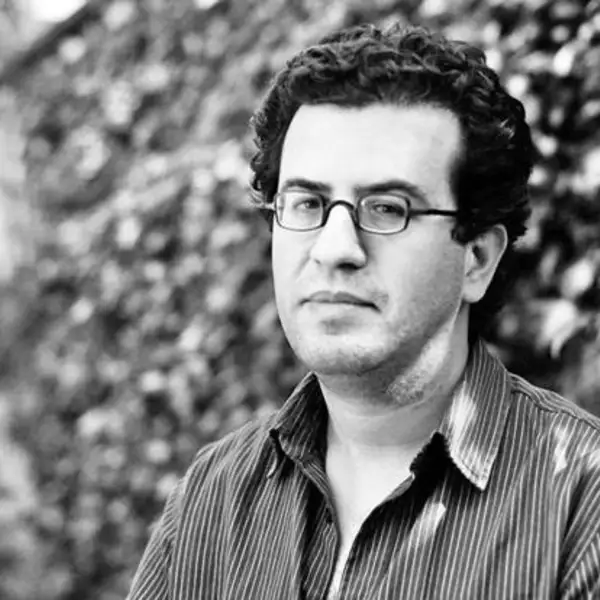
Hisham Matar



The Senior Capstone Project
Students may apply for a grant to enable senior thesis research work in the summer between their junior and senior years. There are grants available at the college level (The Tow Summer Research Fellowship) and also at the department level (The Irene Bloom Prize), to enable such work. The date for submission of applications is generally in March of the junior year.
Theses are expected to be a minimum of 40 pages, although they can be as lengthy as 120 pages. After the thesis has been submitted, each student’s two readers or advisors confer and jointly decide on a letter grade, as well as the determination of Pass, Pass with Distinction, or Fail.
If a student is a double major but with a single unifying senior thesis, the student must have a thesis advisor from each department who jointly advise and decide upon the final grade.

Language Placement Information
All Barnard students must take two language courses (each course at 3 credits or above) in the same language to graduate, regardless of previous language exposure or credit. AMEC majors must take at least two years of a language relevant to their world area of study.