Africana Studies
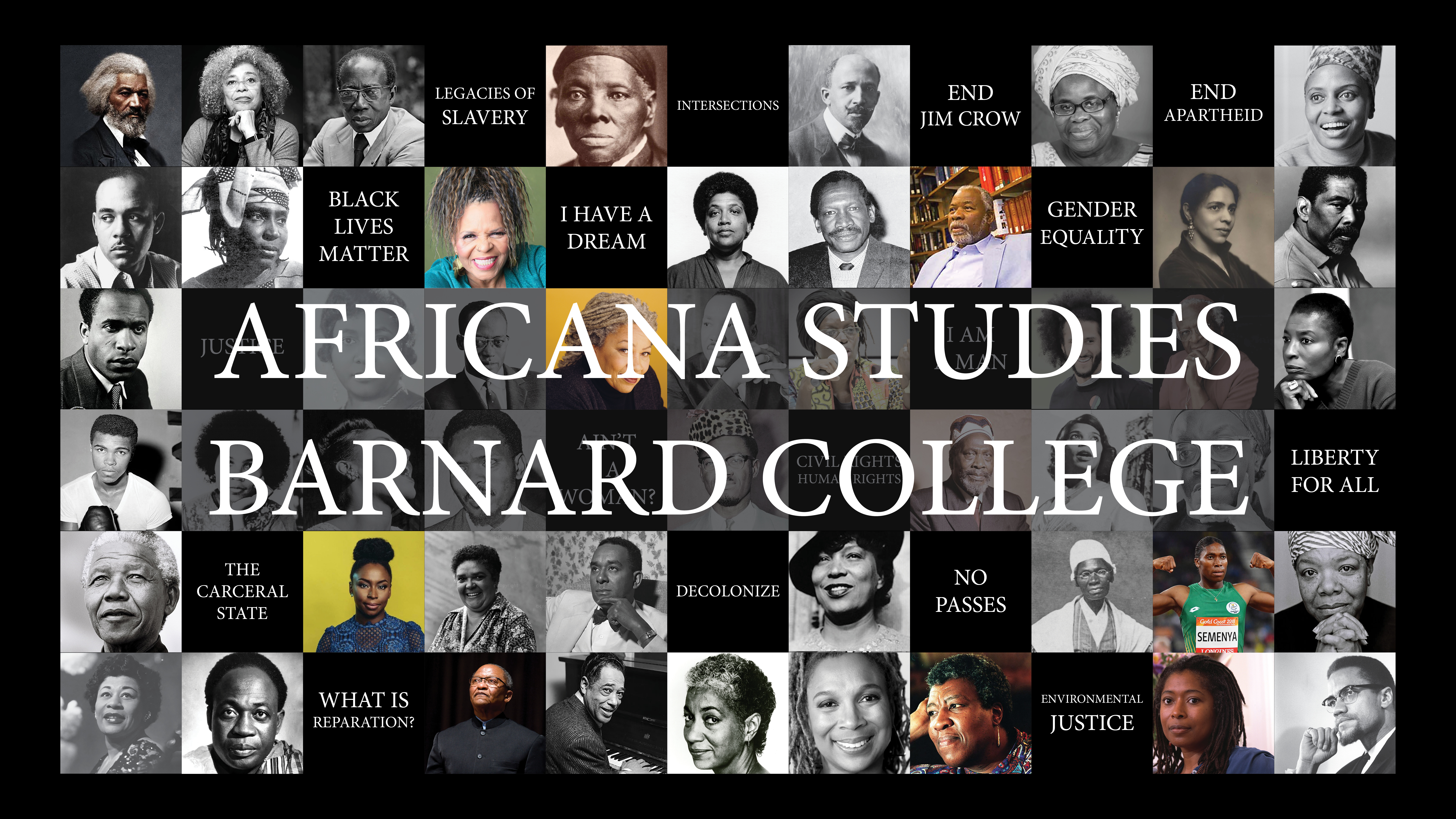
The Africana Studies major offers an interdisciplinary, comparative approach to the study of the history, politics, cultures, literatures, and experiences of peoples in Africa and the African Diaspora. Through this course of study, students come to see the centrality of Africa and the black Diaspora in the modern world and develop a critical understanding of the political, social and ideological forces that shape their place in the world. Our introductory courses encourage students to understand the world from multidisciplinary and transnational perspectives, to critically engage with primary and secondary materials, to develop key geographical knowledge and to engage in comparative analysis. In consultation with their Africana advisor, majors determine a course of study that draws from a range of disciplinary and/or theoretical perspectives. This coursework includes a required colloquium which grounds students in key theories and methodologies of the black Diaspora, a Harlem course that asks students to think about our historic location in relation to the larger Diaspora and a senior seminar that requires students to conduct groundbreaking research.
This multidisciplinary training not only involves a questioning of disciplinary boundaries, but also provides students with the intellectual tools necessary to think critically about the production and dissemination of knowledge. Our home in a premier college for women means that Africana Studies majors at Barnard develop a particular understanding of how gender and sexuality, as well as race, class, religion and region interact with and transform each other in individual and group experiences.
Fall 2026 Information for Current Students
Going forward, the Portal will be the primary place for schedule updates and announcements, so we recommend bookmarking it and checking in regularly.
Africana Studies Major and Minor
Africana Studies Major
Africana Studies Minor
Student Learning Outcomes
Harlem Semester
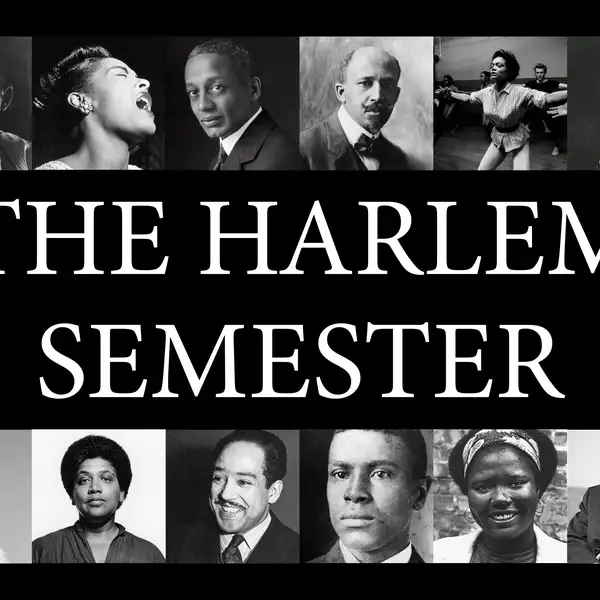
In the past decade, students have worked with archivists at the Schomburg Center for Research in Black Culture on digital archiving; participated in a movement workshop with famed choreographer Diane McIntyre; learned about artistic and curatorial practice at the Studio Museum in Harlem; and engaged in a multi-media production at the Harlem Stage. Courses are resolutely local, for example on the Harlem Renaissance and Social Justice; they are also transnational, as in the case of a 'Harlem/Moscow' course. Courses have also responded to the moment: in 2020, “Pandemics of Harlem” was offered in response to the Covid-19 pandemic.
The Harlem Semester Program offers a critical intervention in approaches to diversity, inclusion, and inequality on campus. This program takes the lead in shaping new pedagogical models that directly engage controversial issues and actively develop learning spaces where social issues can be debated openly and students’ capacity for interpersonal awareness, solidarity, and respect can change and grow. Students participating in the program gain a unique perspective on the extraordinary contributions of Harlem’s residents through the institutions and community workers who have sustained it, through frank discussions of topics such as access, prejudice, recognition, and respect.
About Our Department
As a field of study, Africana Studies analyzes the history, cultures, modes of political thought and social movements engendered by the freedom struggles of black people. It engages as well the unfinished work of achieving fully enfranchised forms of citizenship and the many forms of expressive culture African diasporic communities have created and inspired as articulations of their histories, experiences, and struggles. In so doing, Africana Studies trains students in the analytical tools necessary for rigorous and culturally sensitive analyses of racial formation both historically and in contemporary societies.
Our Faculty
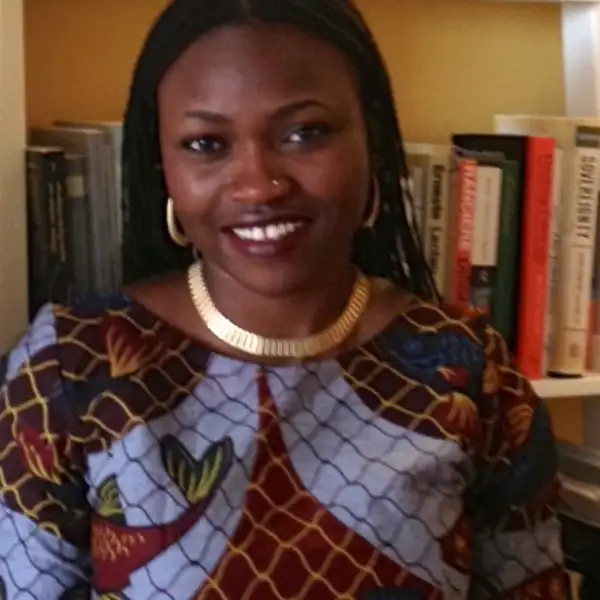
Abosede George
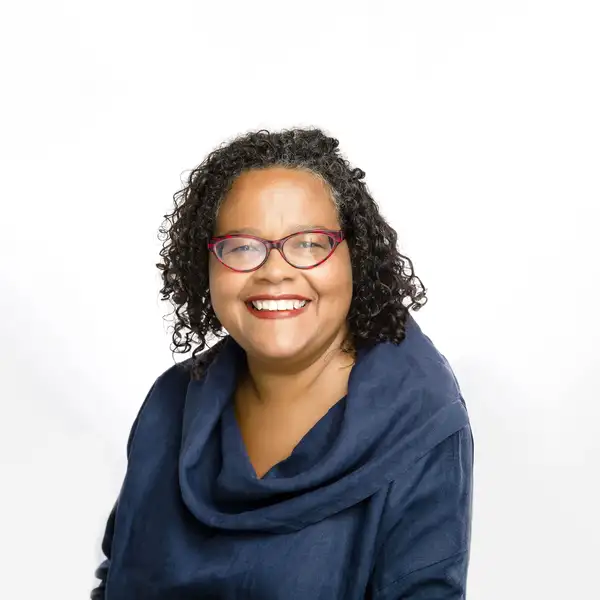
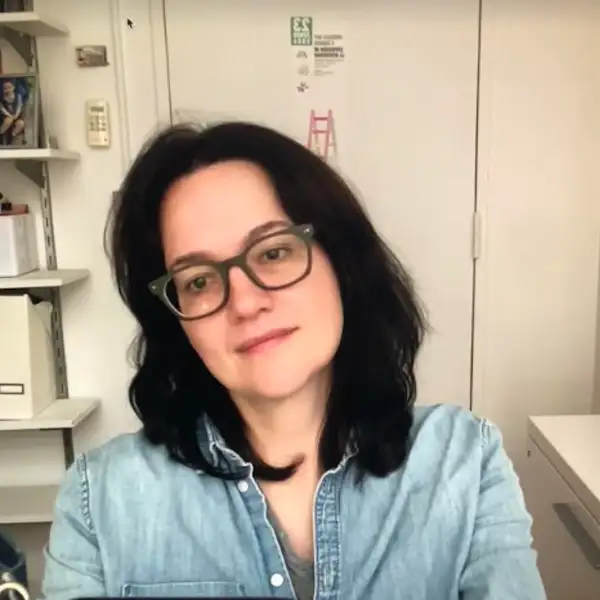
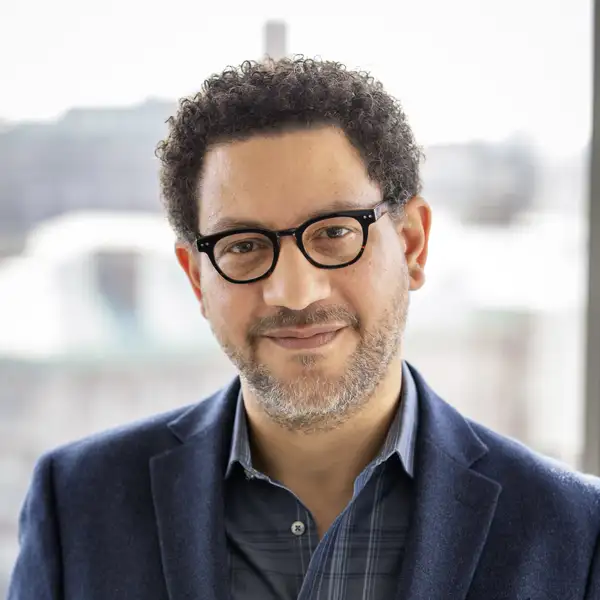
Colin Wayne Leach
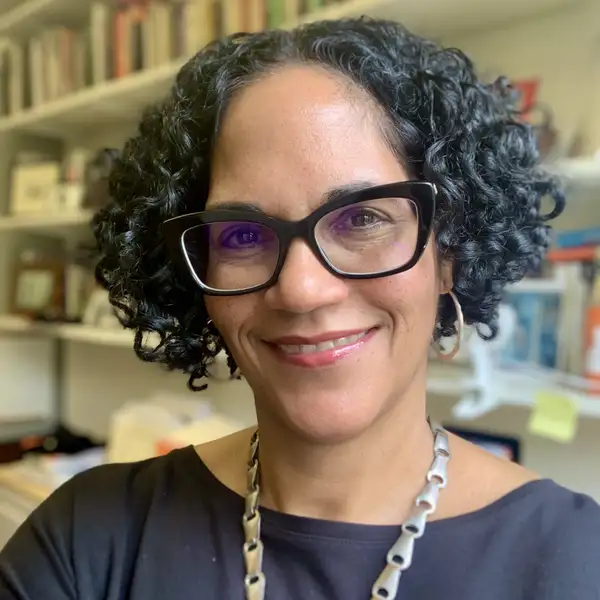
Monica L. Miller
Affiliated Faculty

Brian Larkin

Séverine Autesserre
Curriculum
- Introductory Courses: Each student will take 2 (of the 3) introductory Africana Studies courses. We strongly suggest students take Introduction to African Studies AND either Caribbean Cultures and Societies OR Introduction to the African Diaspora
- Language:The college distributional requirement for languages (i.e., Foundations) stipulates that each student must complete two (2) courses in a single language. For Africana majors the language studied must be of Africa or its diasporas (including Arabic, Dutch, English, French, Hausa, Italian, Portuguese, Spanish, Swahili).
- Harlem: Each student will take a course on Harlem, chosen in consultation with her advisor, from among the offerings at Barnard or Columbia.
- Electives: Each student will, with the approval of her advisor, select five electives. Of these five, one must be on Africa and one must concern issues of gender.
- One Semester Colloquium in Africana Studies
- Senior Seminar
The Lewis-Ezekoye Distinguished Lectureship Series
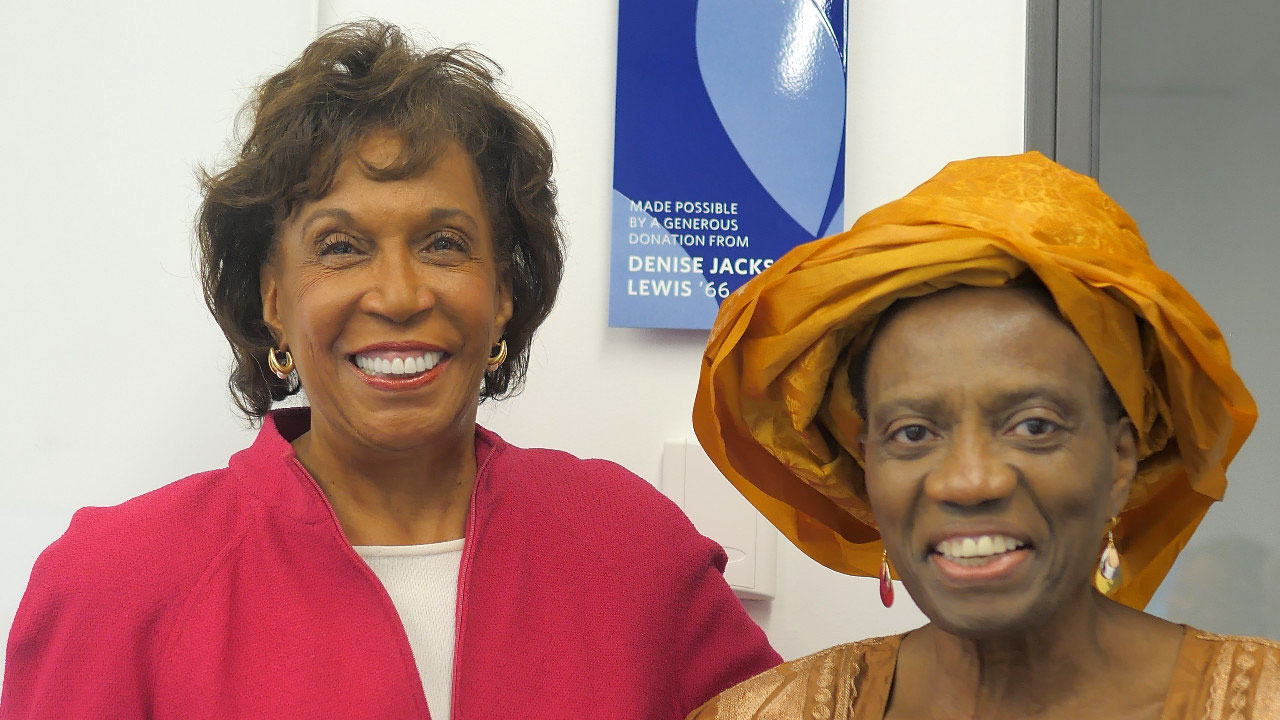 | The Lewis-Ezekoye Distinguished Lectureship Series in Africana Studies is an annual lecture with a focus on interdisciplinary subjects that are at the heart of African diasporic and African scholarship, artistic creation, community-centered commitments, and social engagement. This lectureship series is named for the sustained, collaborative friendship formed by two Barnard alumnae—Denise Lewis (Class of ’66) and Adaeze Otue Ezekoye (Class of ’66). The series takes its place among a handful of distinguished lectureship series in Africana Studies around the country thanks to an endowment by Ms. Denise Lewis '66. This series honors what she has described as transformative experiences at Barnard and the enduring and unexpected gift of friendship that began when she and Ms. Adaeze Otue Ezekoye met at Barnard College as first-year students. The series reflects the spirit of this gift with lectures and related events by innovative and inspiring scholars, artists, activists, and visionary thinkers who address key issues in African Diaspora Studies. Past speakers include Ntozake Shange (Class of ’70), Jaki Shelton Green, Alexis Gumbs, Ruha Benjamin, Chanda Prescod-Weinstein, Nnedi Okorafor, Marilyn Nance, Oluremu Onabanjo, Edwidge Danticat, and Allison Janae Hamilton. This annual lecture is open to the public, and it draws attendees from Barnard College, Columbia University, various communities throughout New York City, and especially our surrounding neighborhoods. We welcome visitors from near and far! |
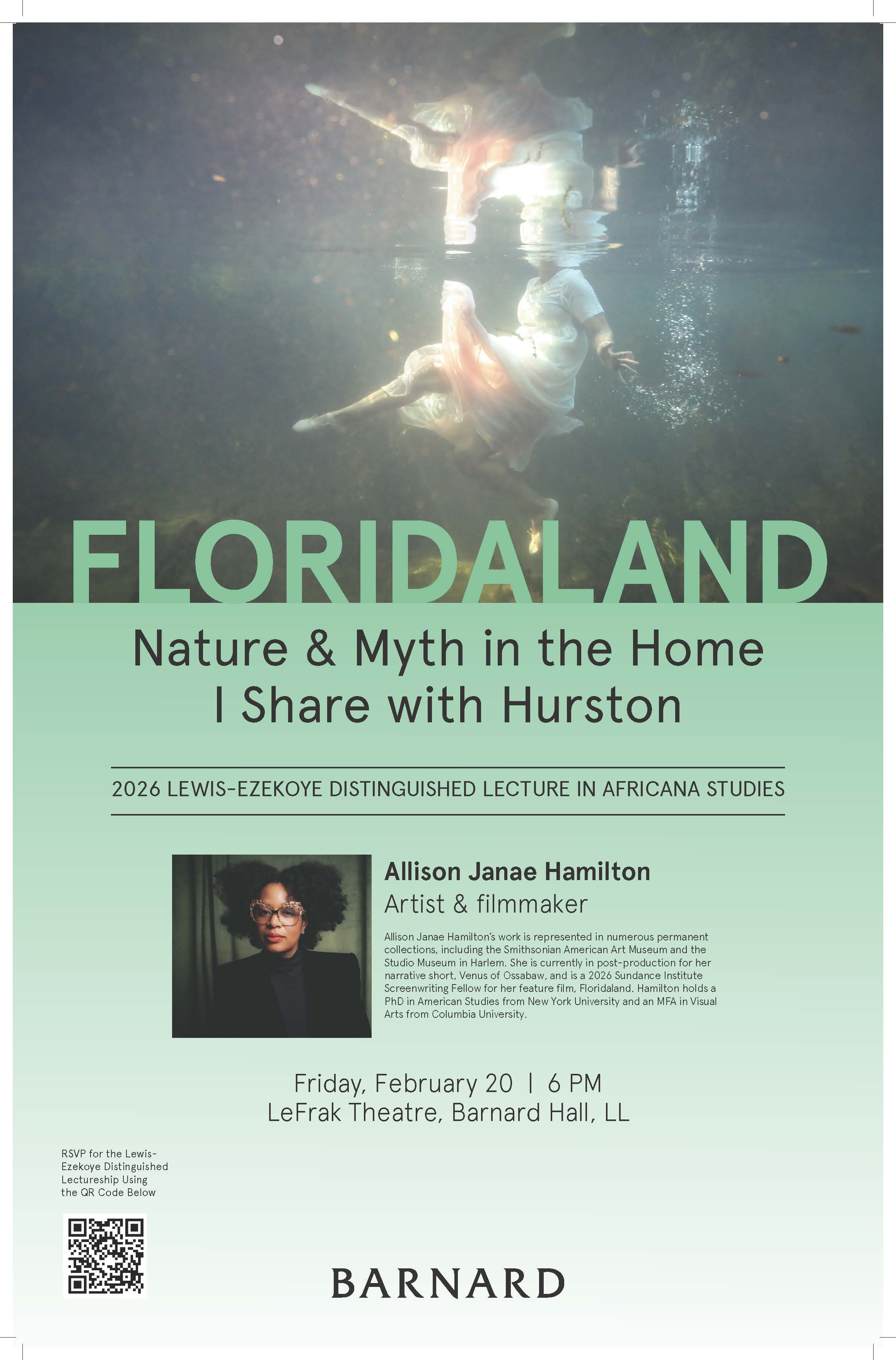 | The 2026 Lewis-Ezekoye Distinguished Lectureship Series Allison Janae Hamilton is an artist and filmmaker whose work explores the poetics of landscape and myth. Her work is represented in numerous permanent collections, including the Smithsonian American Art Museum and the Studio Museum in Harlem. She is currently in post-production for her narrative short, Venus of Ossabaw, and is a 2026 Sundance Institute Screenwriting Fellow for her feature film, Floridaland. A former Whitney Museum Independent Study Fellow, she has exhibited at the Museum of Modern Art (MoMA) and MASS MoCA. Hamilton holds a PhD in American Studies from New York University and an MFA in Visual Arts from Columbia University. The recording of the lecture is available here. |
Africana Studies in the News
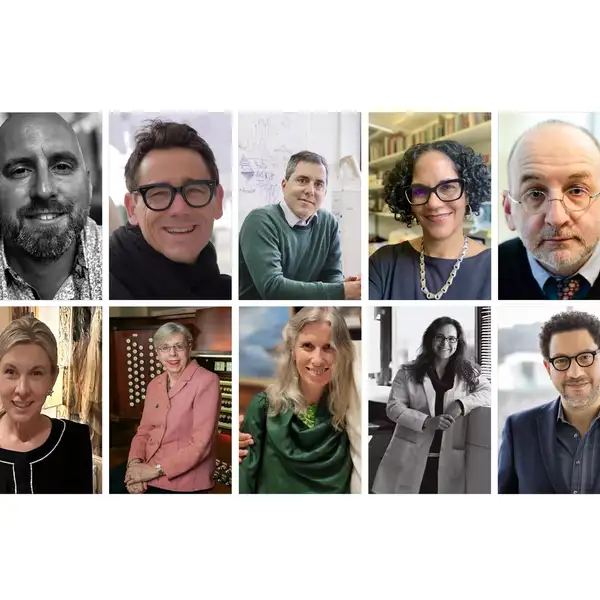
14 Faculty Members Appointed to Chairs and Professorships
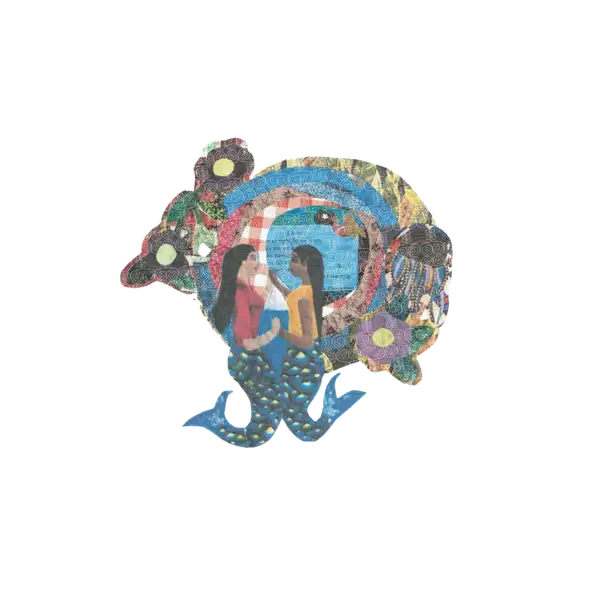
Weaving Dreams Exhibition
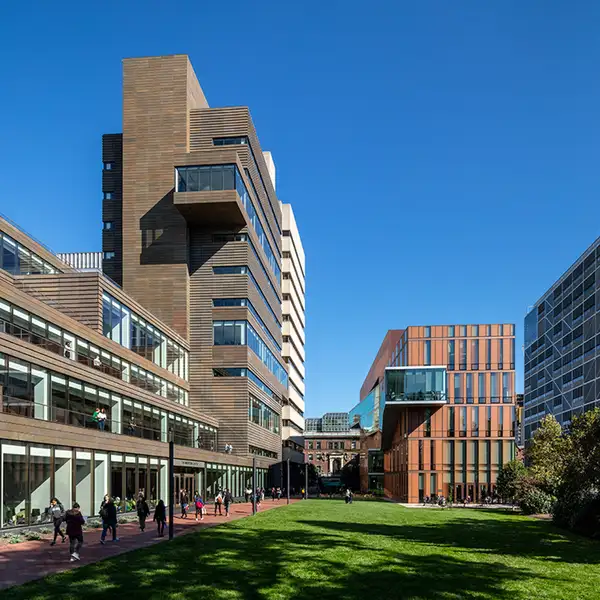
Barnard Awards Faculty With Distinguished Teaching and Research Honors
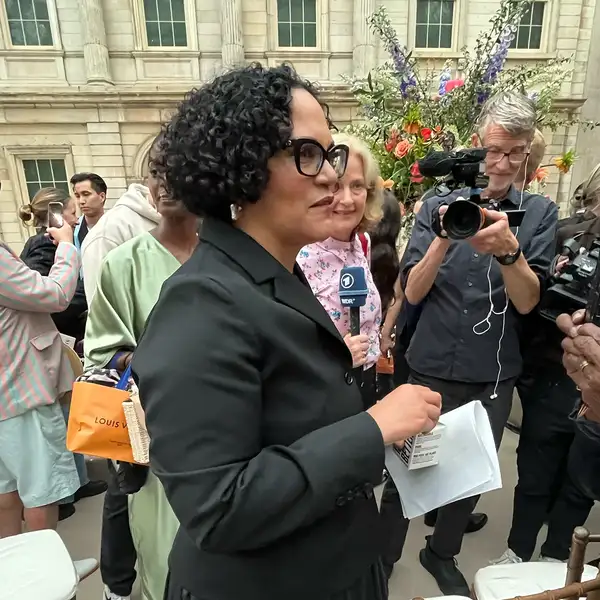
From Book to Exhibit: Monica Miller’s ‘Superfine’ Vision
Contact Us
3009 Broadway
10027 NY
United States