Art History
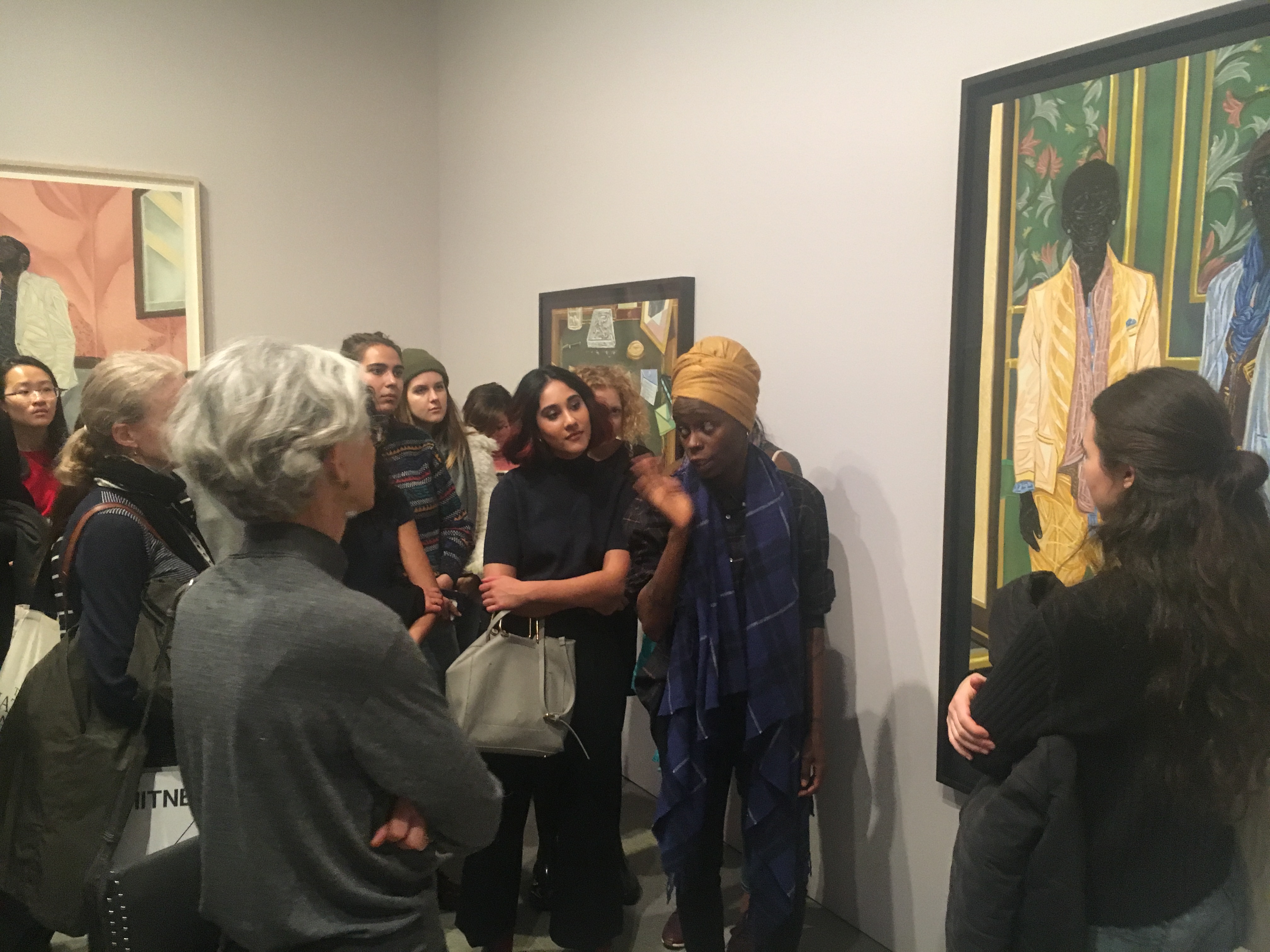
The Art History department teaches the history and practice of visual creativity. All people, at all times, around the world, have expressed their identities and their beliefs through visual art. From temple complexes to tea-cups, from quilts sewn with scraps to sculptures welded with tons of steel, art objects bring to us a knowledge of who we have been and how we shape our environments. Both our history and studio courses train students to observe the world more closely and interpret what they see. In our history courses, students study how art has occurred at the intersection of personal, technical, no and social forces. In our studio courses, students learn to engage those forces using media ranging from traditional drawing to digital design. Thanks to Barnard’s location in New York City, the Art History department’s classrooms include some of the world’s most important museums and galleries. Courses are regularly taught at or with museums, and visiting artists, curators and critics frequently enrich our curriculum. Students interact with New York’s thriving art world for class assignments and independent projects and, especially during the summer, through jobs and internships. Art History majors have gone on to careers in museums, galleries, auction houses, arts administration, publishing, philanthropy, and as academics and practicing artists.
Fall 2026 Information for Current Students
Going forward, the Portal will be the primary place for schedule updates and announcements, so we recommend bookmarking it and checking in regularly.
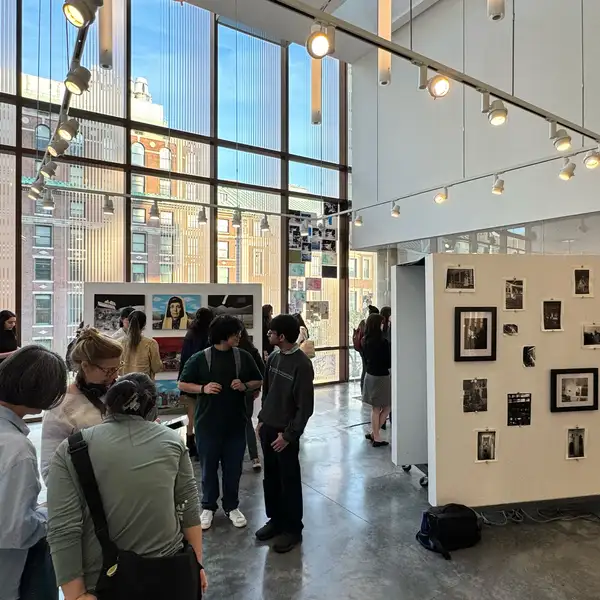
Art History Department Programs of Study
Art History Major Requirements: Areas of Focus in Art History
Art History Major with a Area of Focus in Visual Arts
Art History Minor
International Center of Photography (ICP)
Explore ICP
Join Our Mailing List
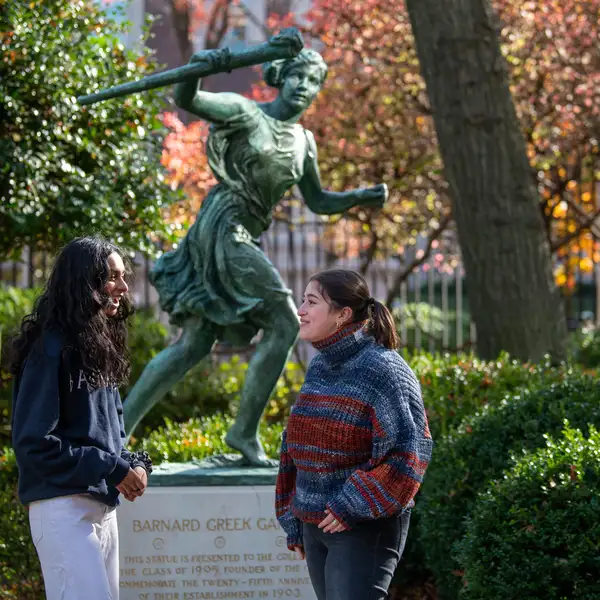
What can you do with an Art History degree?
Are you an Art History alumna with news to share? Send it to arthistory@barnard.edu
Olivia Tedesco (class of 2026)
Abigail Sullivan (class of 2025)
Alabel Chapin (class of 2023)
Lou Clinton-Celini (class of 2018)
Emily Shoyer (class of 2017)
Jack Crawford (class of 2014)
Ashton Cooper (class of 2013)
Jeannette Sharpless (class of 2013)
Elizabeth Bernick (class of 2011)
Natalia Lauricella (class of 2011)
Krista Suh (class of 2009)
Melanie Kress (class of 2009)
Jenna Nugent (class of 2008)
Kristen Lorello (class of 2004)
Makeda Best (class of 1997)
Lisa Kim (class of 1996)
Our Faculty
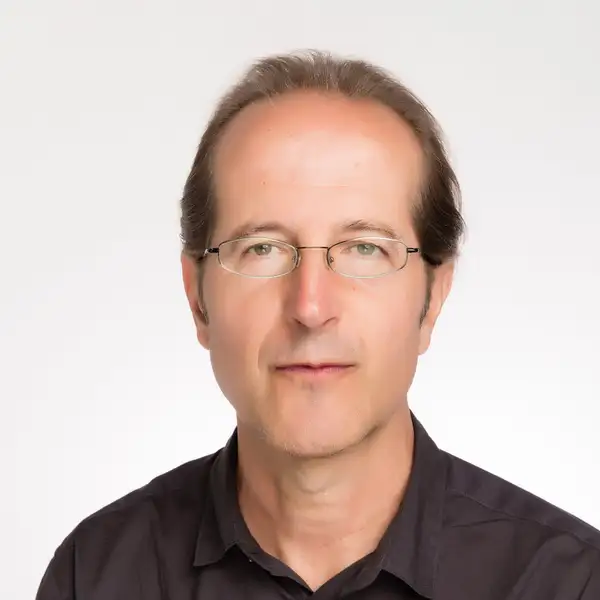
Alexander Alberro
Modern and Contemporary European, U.S., and Latin American Art, and History of Photography


Józefina Chętko
Distinguished Artist-in-Residence for 2025-2026 and 2026-2027
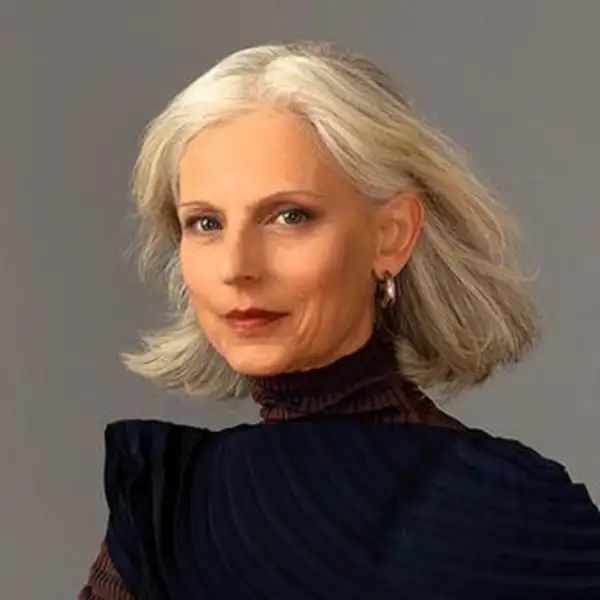
Anne Higonnet
Eighteenth and Nineteenth-Century Art, Collecting, Clothing and the Intro to Art History II
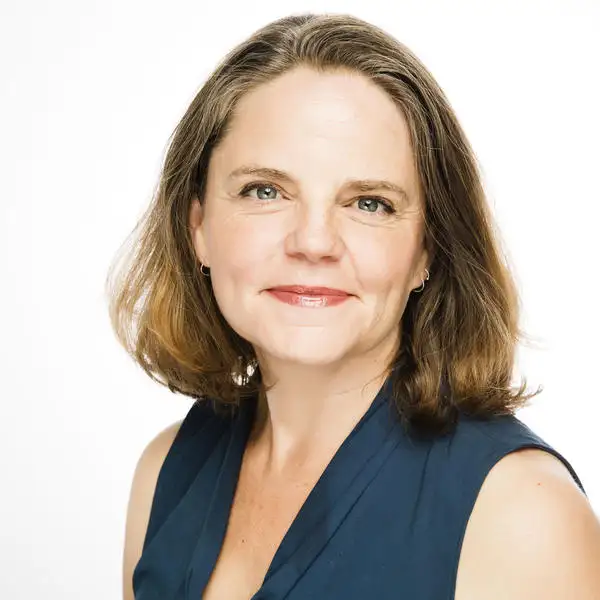
Elizabeth W. Hutchinson
North American Art and Visual Culture, including a seminar on the Harlem Renaissance and Native North American art
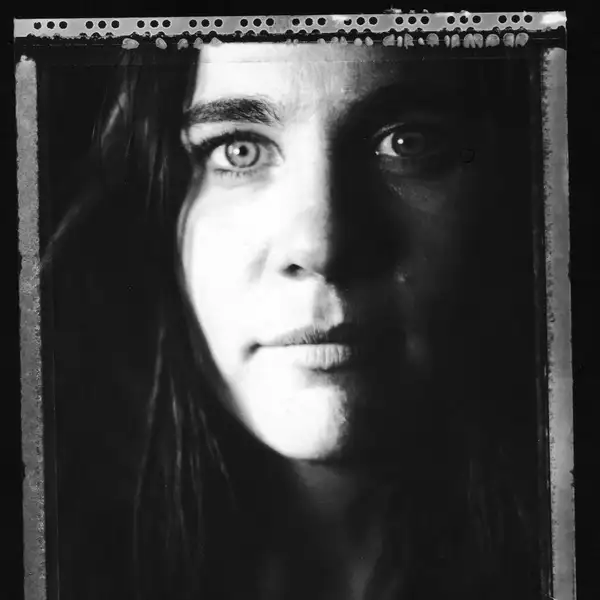
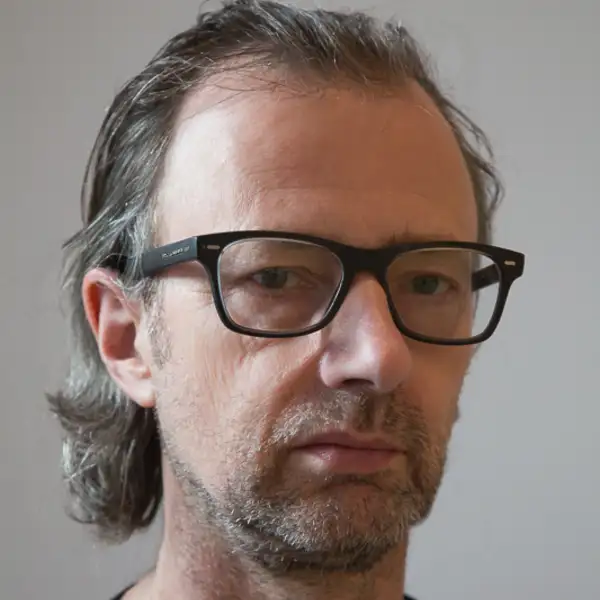
Diana Matar

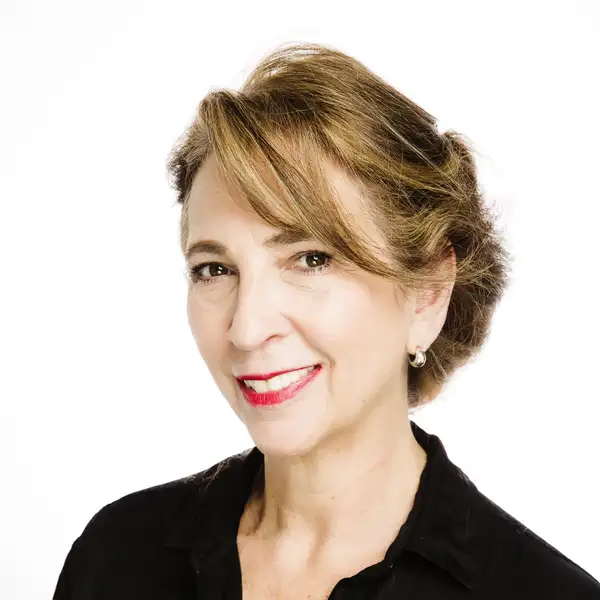
Joan Snitzer
Verónica Tello
Modern and Contemporary, Diasporic, Global, and Latin American art history
Our Department
Affiliated Faculty
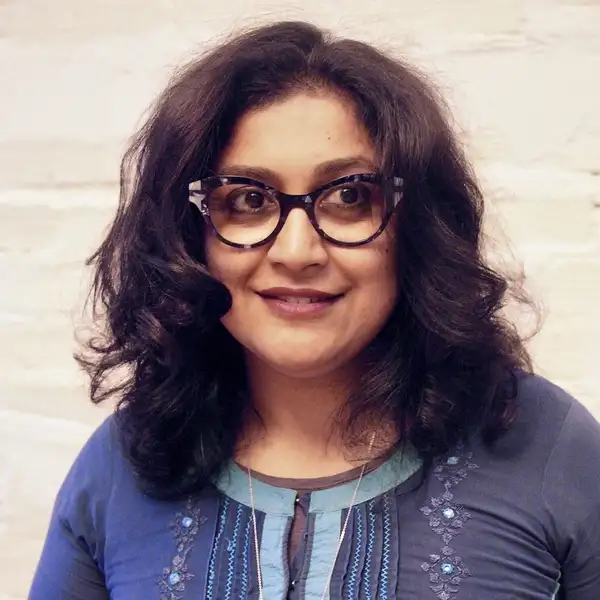
Anooradha Iyer Siddiqi
Architectural History and Theory, Global Modern, Africa and South Asia Migration and Urban Studies
Adjuncts
Annabel Daou
Visual Arts | Painting
Mira Dayal
Visual Arts | Photography
Piper Marshall
Contemporary Art | Art Criticism
Maggie J. Mustard
Contemporary Art | East Asian
Nadine Orenstein
Art History Senior Capstone Experience
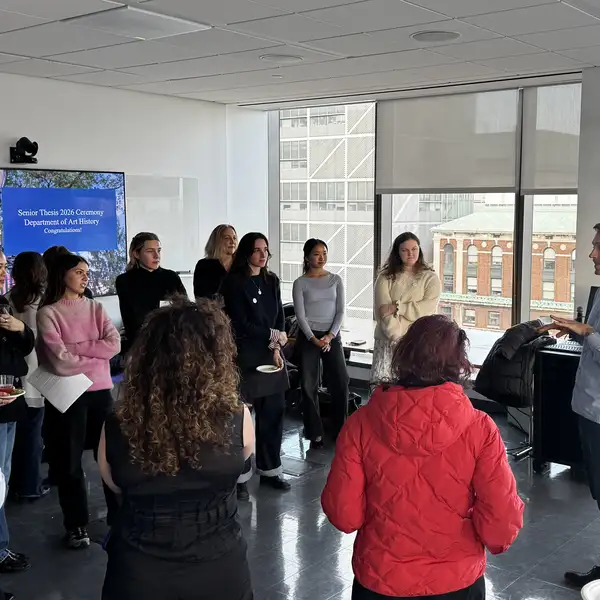
Art History Majors with a specialization in Art History write a substantial research paper in their senior year. There are two options for fulfilling this requirement: Seniors have the option of doing a year-long thesis, or reworking and developing a seminar paper into a thesis through a one-semester participation in the Senior Thesis Seminar. The Senior Thesis Seminar would function for those interested in working on a thesis over the course of a year, but those opting to expand a seminar paper would only join the course in the second semester. The intent is to offer an alternative to those with less interest in a major writing project.
Contact Us
500E, The Diana Center
United States