Economics
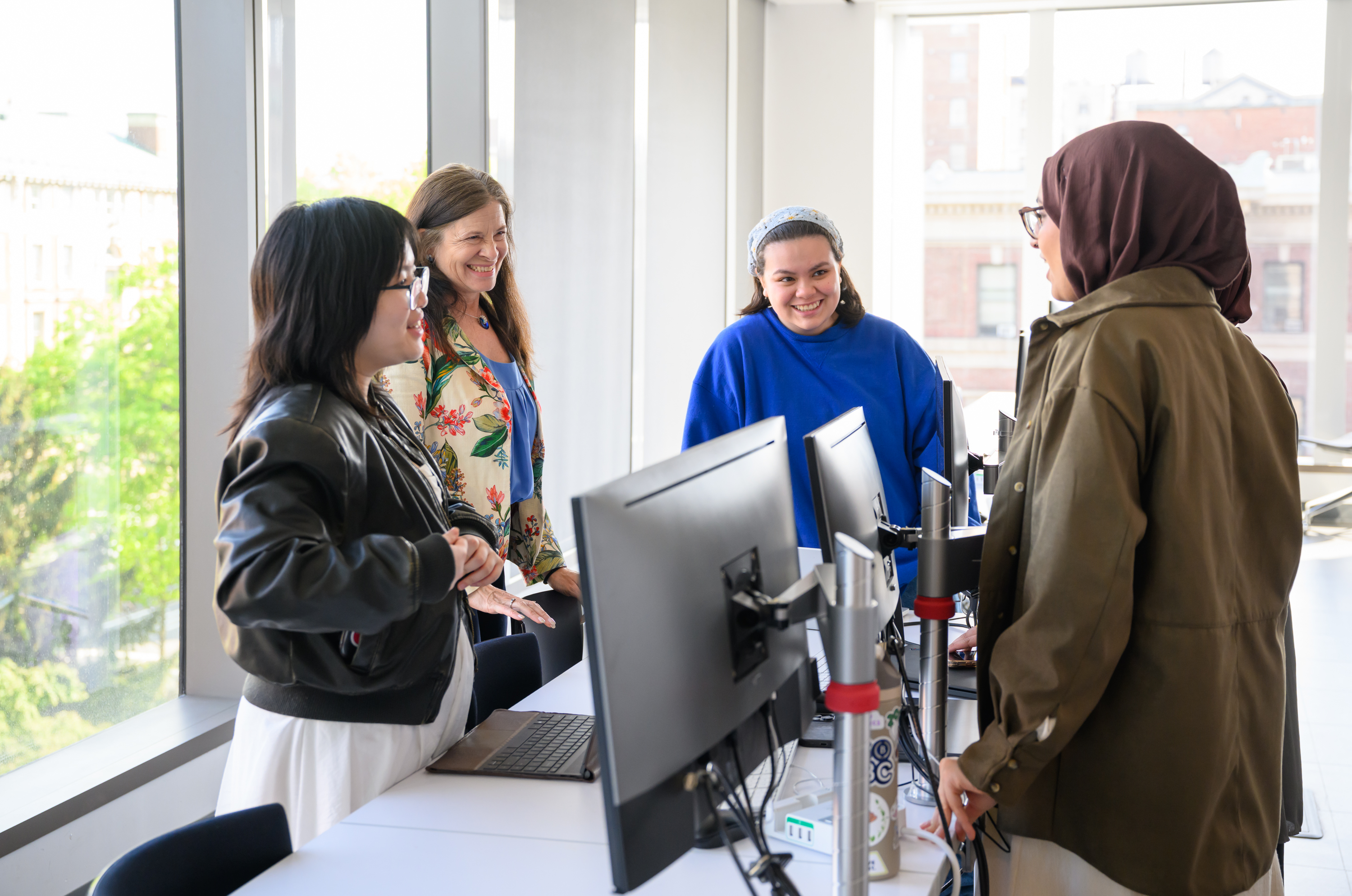
The primary aim of the Barnard Economics Department is to provide undergraduate liberal arts students with a rigorous, broad, and critical program in theoretical and empirical economics. To achieve this aim, our curriculum:
- Provides a thorough grounding in neoclassical economic theory, modern statistical method, and their applications in the traditional fields of economic science;
- Embeds that training in a broader conception of economic science and method, with special emphasis on philosophical, historical, and institutional approaches that link economics with other social sciences and humanistic disciplines; and
- Compares and contrasts alternative methodological approaches and types of evidence as ways of analyzing economic phenomena, evaluating policy debates, and assessing the broader social and political consequences of economic doctrines.
Fall 2026 Information for Current Students
Going forward, the Portal will be the primary place for schedule updates and announcements, so we recommend bookmarking it and checking in regularly.

Major Programs in Economics
The track in Economics teaches students the theory and the analytical and mathematical tools now expected of entering graduate students in economics and useful for graduate study in related fields such as business.
Our Faculty
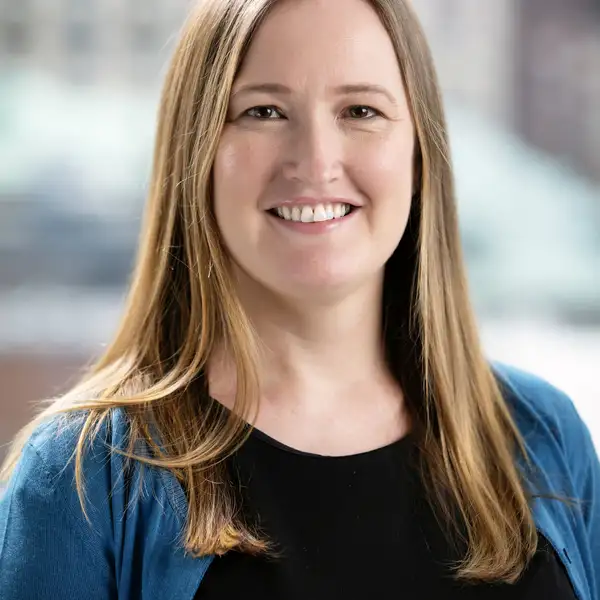
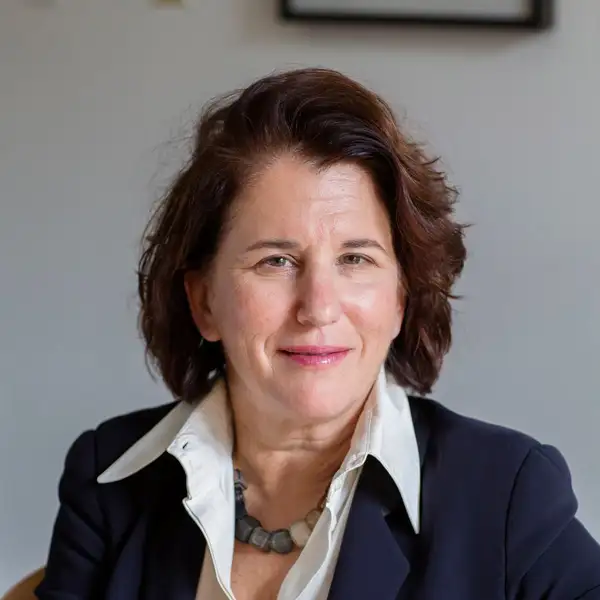

José Cao-Alvira
Malte Dold
Alan Dye
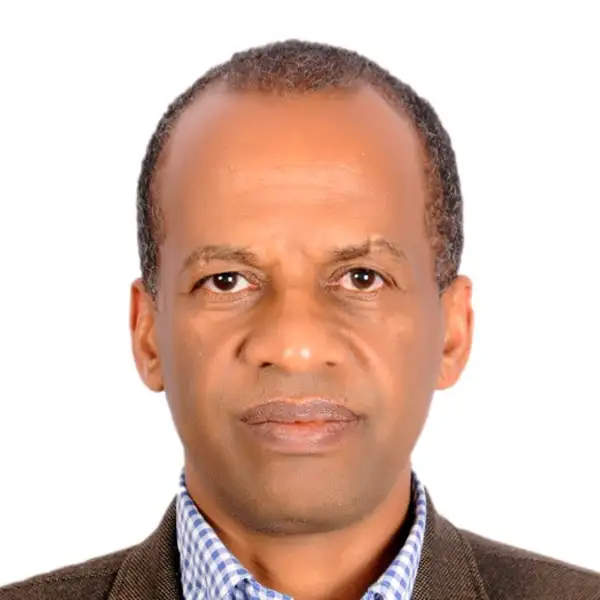
Sarah Gertler


John Park




Ashley Wong
Economics in the News

Class of 2026 Looks Toward Bright Futures
FAQs for Economics Students
Each semester, the Economics Department offers two courses at the introductory level that are most appropriate for first-year students or for beginners in the department: Econ BC1003 Introduction to Economic Reasoning, and Econ BC1007 Math Methods for Economics. Introduction to Economic Reasoning focuses on the institutional foundations of the modern economy and salient policy issues, while Math Methods for Economics provides students with the formal training for more advanced courses. The recommended sequence is Econ BC1003 followed by Econ BC1007.
Students potentially interested in majoring in Economics & Mathematics or Economics-Statistics should take Calculus III rather than Math Methods.
Note: Columbia offers Econ UN1105 Principles of Economics every semester. We accept this course as a substitute for our Econ BC1003.
University Seminar in Economic History
The concerns of this seminar are wide ranging in time, place, and method. Emphasis is on the logic of European and American economic growth from feudal times forward with regular, but less frequent, contributions on Latin America, Asia, and Africa. Topics range from microeconomic studies of firms undergoing rapid technical change and households changing their interaction between home and market to more macroeconomic topics concerned with national and regional economic growth performance, the economics of imperialism, and the political economy of the Great Depression. Given the breadth of the seminar’s membership and interests, comparative economic history is often a central element in seminar discussions. Pre-circulation of papers permits vigorous discussion.
Upcoming Meetings
November 5, 2026
7:30 p.m. to 9:00 p.m. | Columbia Faculty House
February 4, 2027
7:30 p.m. to 9:00 p.m. | Columbia Faculty House
April 1, 2027
7:30 p.m. to 9:00 p.m. | Columbia Faculty House
Past Meetings
Ajay Mehrotra | |
| Northwestern University and American Bar Association | "American Outlier: Economic Inequality and the Historical U.S. Resistance to the Value-Added Tax" |
Pablo Valenzuela-Casasempere | |
| Yale University (co-sponsored by the University Seminar in the City) | "Displacement and Infrastructure Provision: Evidence from the Interstate Highway System" |
Marlous van Waijenburg | |
| Harvard Business School | "Financing the African Colonial State: Fiscal Capacity and Forced Labor" |
Rohan Shah | |
| New York University | "Crisis Planning: Wassily Leontief, Leonard Woodcock, and the Initiative Committee for National Economic Planning in the 1970s" |
Martin Saavedra | |
| Rutgers University | "Legislating Longevity: State-Level Public Health Laws and the Mortality Transition" |
Jay Pan | |
| Columbia University | "Reform Interrupted: The Limits of Cárdenas’ Wager" |