Education
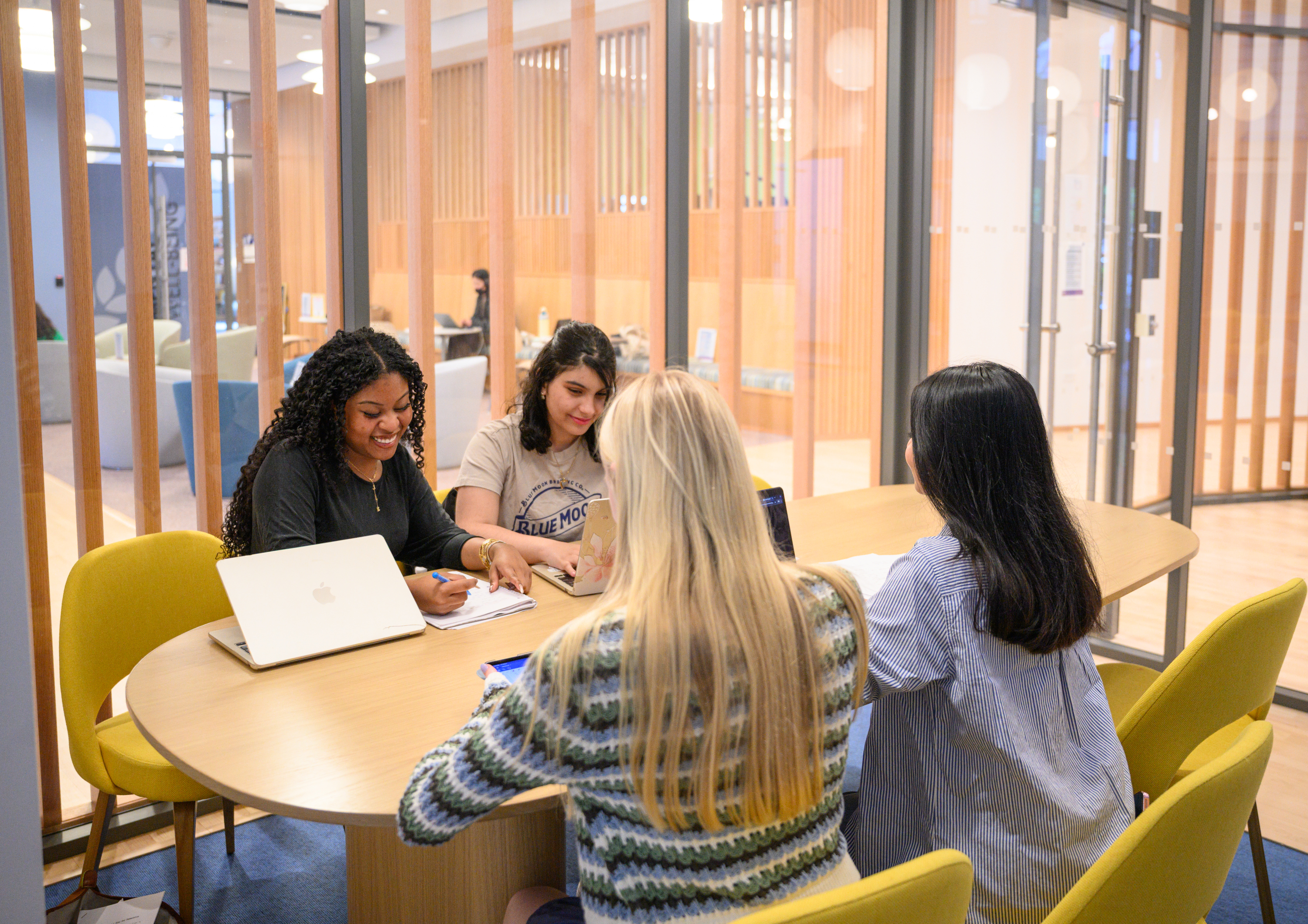
The Barnard Education Program envisions education as an emancipatory human right that develops people’s capacities to think critically and act creatively for peace, justice, and sustainability in local and global contexts. Education is a fundamental human activity that occurs in formal and informal settings as people interact within their social, historical, and physical environments. The program educates students to draw on interdisciplinary research and perspectives in order to critically analyze the role of education in society, and to create and sustain equitable educational practices and policies for all.
Fall 2026 Information for Current Students
Going forward, the portal will be the primary place for schedule updates and announcements, so we recommend bookmarking it and checking in regularly.
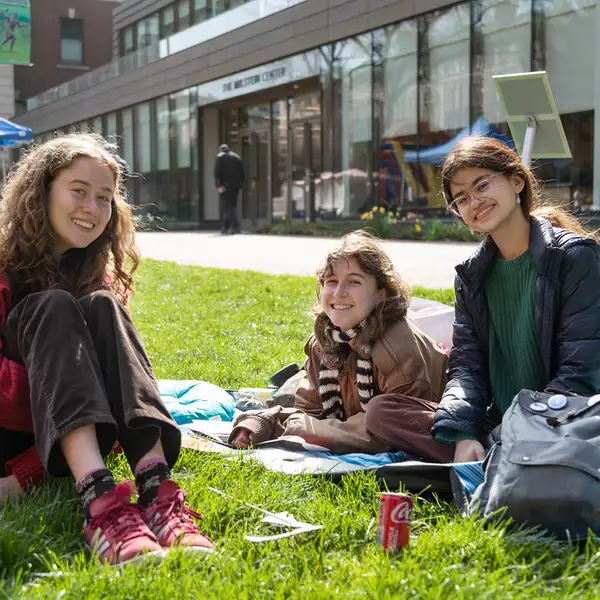
Education Department Programs of Study
Programs of Study
The Barnard Education Program is committed to strengthening public education and addressing issues of equity and social justice, particularly in urban schools. We offer two tracks in Education: Education Studies (Major and Minor, and Urban-Teaching Minors/Special Programs (leading to teacher certification in Elementary/Childhood Education or Secondary-Adolescent Education). In all tracks, students develop critical lenses to understand education as a fundamental human activity that occurs across many settings; to analyze the issues facing public schools; and to consider ways to promote fair and inclusive policies and practices for children and youth. The classes are open to all undergraduates at Columbia (BC, SEAS, GS, CC).
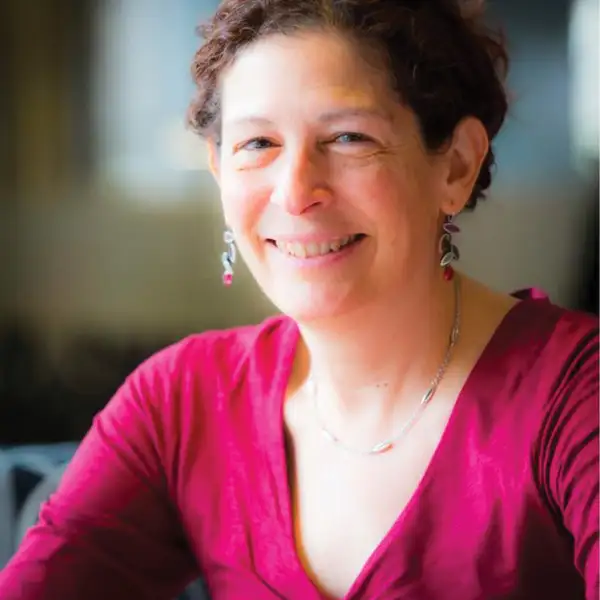
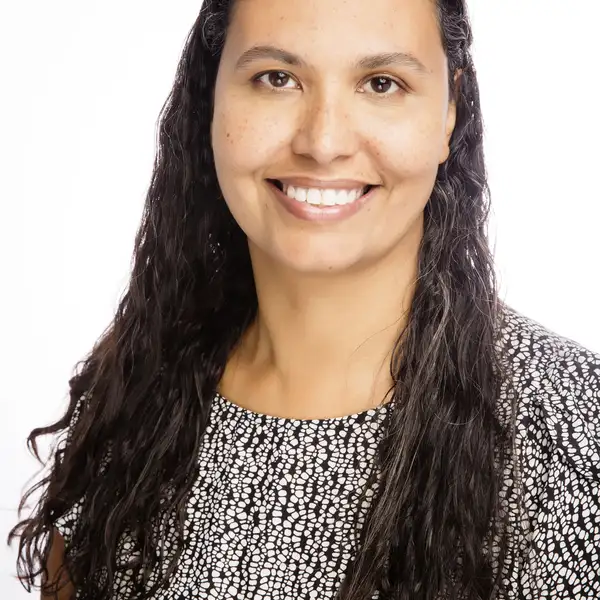
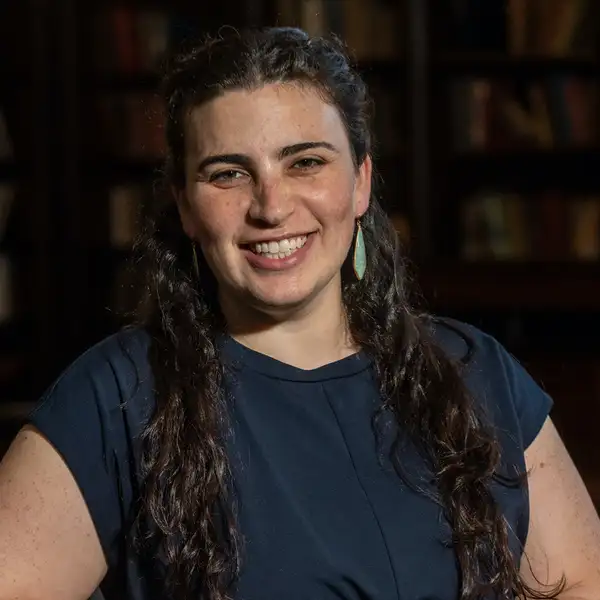
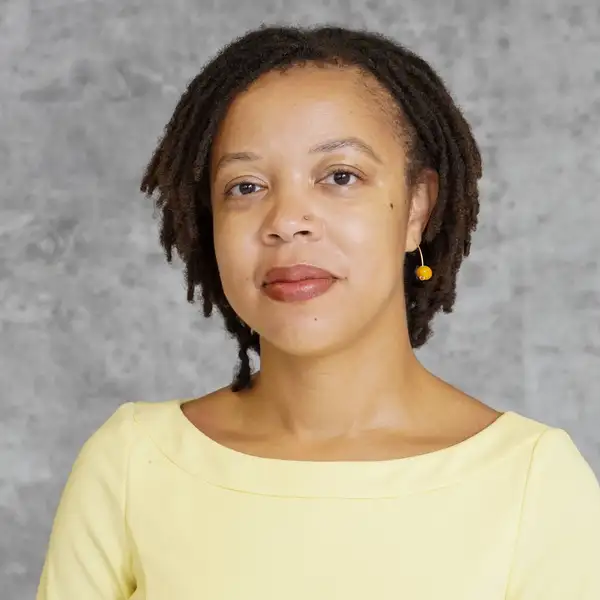
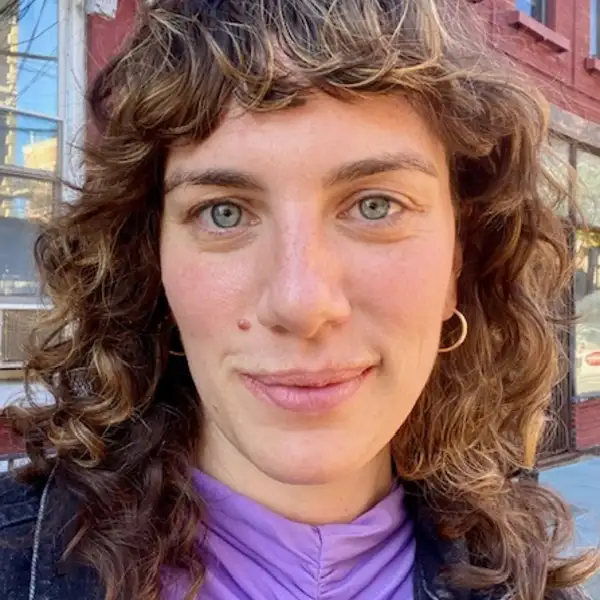
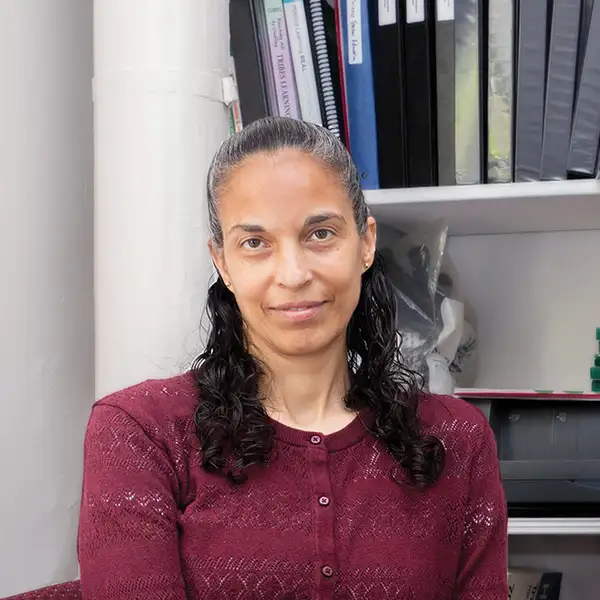
Our Faculty

Urban Teaching Program
We are proud of the accomplishments of our students and alumni, and the data support our claims that program completers are skilled and reflective teachers who can effectively respond to the learning needs of diverse learners, and create supportive and intellectually stimulating classroom communities.
The Barnard College Education Program is registered with the New York State Department of Education and is accredited by the Association for Advancing Quality in Educator Preparation (AAQEP) through December 2030. The 2023 accreditation report can be found here.
Our publicly available 2024 Annual Report to AAQEP is available here. Important completer and consumer information is provided below.
1. Indicators of Program Effectiveness & Satisfaction of Employers
Employer and Alumni Surveys conducted in 2022 as part of the accreditation process were designed to investigate program effectiveness, one item stands out as emblematic of the feedback we have received about the effectiveness of our program. This question on the Employer Survey asked, “How well do you believe your teacher was prepared to teach through the Barnard Education Program in comparison to other new teachers in your school?” Seven of the eleven employers surveyed had hired one of our completers during their 1st-3rd year of teaching. Of these, five (71.4%) said that our teacher was more prepared to teach than most other new teachers. The other two employers (28.5%) thought our teacher was as prepared as other new teachers, with a mean response of 2.7/3.0 (n=7, SD±0.0.49). None of the employers thought our completers were less prepared than other new teachers in their school. See Figure 18.
Figure 18. Employer Survey: Preparation in the Barnard Education Program

2. Indicators of Program Effectiveness & Satisfaction of Completers
While the Alumni Survey was designed to investigate program effectiveness, one item stands out as emblematic of the feedback we have received about the overall effectiveness of our program. This question asked, “How well do you believe your experience in the Barnard Education Program prepared you in comparison to other new teachers in your school?” The majority of respondents thought they were more prepared, and 30 % (n=30) thought they were as prepared as other new teachers in their school, with a mean response of (67%, n=67) response of 2.7/3.0 (n=7, SD±0.0.49).
Our next round of Alumni and Employer Surveys will be conducted in the spring semester of 2025.
3. Graduation and Completion Rates
4. Ability of Completers to Pass Certification Exams
| 5 | 5 | 5 | 100 | |
5 | ||||
*This table does not account for completers taking certification exams in other states.
5. Employment Rates in Education Positions
| 5 | 5 | |||
5 | 4 | |||
4 | ||||
27 | 22 | |||
*Please note that teaching and enrollment in graduate school are not mutually exclusive.
** Currently working in an education-adjacent field.
6. Consumer information
Cost of Attendance
Below are Barnard College's tuition and fees for the following academic years. The expected length of time to complete the teacher education program is three years.
Student Loan Default Rates
Student loan default rates for Barnard College can be found on the Federal Student Aid (FSA) site.
Teacher Salaries
The New York City Department of Education (NYCDOE) provides teaching salary and benefit information for New York City.
Additional Information on the Urban Teaching Program
To apply to the Urban Teaching Program in either Secondary/Adolescent Education or Elementary/Childhood Education, you must:
- Attend an Open House and a Program Planning meeting in your first or second year.
- Meet with a faculty member to complete an Urban Teaching program plan and a content core worksheet.
- Complete the Urban Teaching Application (see below).
- Complete an Interview for the program.
Criteria for Acceptance
There are 3 main criteria for acceptance into the program.
- GPA of 3.0 or higher, demonstrated by a review of your transcript.
- Your ability to complete the program, demonstrated by your program plan, other application materials, and letters of recommendation.
- Your desire to pursue a career in education, demonstrated by the essay and interview.
Open Houses and Program Planning
The Application
Please prepare and complete all parts of the application:
- Urban Teaching Application: This portion of the application provides general background information. Please complete the linked form and attach all the required documents [essay, resume, and transcript(s].
- Program Plan and Content Core Worksheet: Be sure you have met with a faculty member to complete a program plan and content core worksheet for your certification area/grade level. We will review these documents to evaluate how you intend to complete the required coursework.
- Essay: We are interested in how your interests and experiences relate to our commitment to serving urban youth since the Barnard Education Program is situated in an urban center, and you will be interning in urban classrooms. Discuss briefly (500-1000) your interests in the field of education and the special interests or skills you feel you bring to it. Some autobiographical material would be helpful. Please include experiences you have had with children or adolescents. You should complete this essay as a Word document and submit it with your application.
- Resume: Please attach a current resume to your application.
- Transcript: Please attach a copy of your most recent transcript. Please include any transcripts from other schools if you are a transfer student.
- Recommendation Forms: You will be asked to provide the names of two people who will complete your recommendation forms on the General Information portion of your application. You will also be asked to waive or not waive your right to see the recommendation form. The first recommendation form should be from a faculty member from your major field of study. The second recommendation form may be from another faculty member or a current or previous employer. At least one recommendation form should be from a Barnard or Columbia faculty member. Recommendations should not come from Teaching Assistants. We will send the request for the recommendation directly to the people you indicate in your application.
Interview
After reviewing applications, program faculty will meet with all qualified candidates individually. Candidates will be contacted by the program’s administrative assistant to schedule the interview.
Contact Us
3009 Broadway
Milstein 701
10027 NY
United States