Environmental Science
Barnard College’s Environmental Science Department provides highly motivated students with challenging and rewarding programs in Environmental Science, Environmental Biology, and Environment and Sustainability. High academic standards, interdisciplinary courses, and training in methodologies, such as field and laboratory work and data analysis, ready students with the tools needed to think critically, evaluate and solve problems, conduct original research, and communicate science to address the needs of society.
Fall 2026 Information for Current Students
Going forward, the Portal will be the primary place for schedule updates and announcements, so we recommend bookmarking it and checking in regularly.
What this degree prepares you to do
Environmental Science provides a scientific basis for management of earth systems. It focuses on the interaction between human activities, resources, and the environment. As human population grows and technology advances, pressures on earth's natural systems are becoming increasingly intense and complex. Environmental Science is an exciting field where science is used to best serve society. The department offers two majors, Environmental Science and Environment and Sustainability. A third major, Environmental Biology, is offered in conjunction with the Department of Biological Sciences.
The curriculum recognizes the need for well-trained scientists to cope with balancing human requirements and environmental conservation. Majors acquire an understanding of earth systems by taking courses in the natural sciences, as well as courses investigating environmental stress. Students learn to critically evaluate the diverse information necessary for sound environmental analysis. Our courses foster an interdisciplinary approach to environmental problem-solving.
Internships or some type of work or field experience are extremely valuable in preparing students for a career in Environmental Science. We strongly encourage students to consider an internship in the summer before the senior year because it may lay the foundation for the senior thesis. Studies have shown that students who have had related work experience are more attractive to employers and graduate schools.
Students interested in environmental science might want to consider a semester or summer program at the SEE-U, SEA Semester at Woods Hole, the School for Field Studies, the Organization for Tropical Studies, or some other field program. In addition, we recommend that those students planning to go abroad in the junior year elect to do so in the Fall Semester rather than the Spring Semester in order to take best advantage of senior seminar research planning and programming.
Students wishing to go on to graduate school or careers in earth science and the physical sciences should take at least two semesters each of calculus, physics, and chemistry. Those considering graduate school or careers in biological/chemical fields are recommended to take calculus as well as upper-level courses in biology and chemistry, and may wish to consider enrolling in an Environmental Biology major or minors in these fields. Students interested in pursuing further work in environmental policy, environmental justice, economics, environmental law, journalism, or teaching may consider enrolling in an Environment and Sustainability major or pursuing a double major, a special major, or a major/minor combination in relevant fields.
Recommendations for First-Years and Prospective Majors
Students interested in exploring Environmental Science or who are concerned about their science background are encouraged to take EESC BC1001 with the lab course EESC BC1011. This course is an introductory course that gives students exposure to Environmental Science while also fulfilling various general education requirements. This is a great course for nonmajors as well.
Students with a strong science background who are interested in majoring in Environmental Science are encouraged to take EESC UN2100, Earth’s Environmental Systems: Climate or UN2200, Earth’s Environmental Systems: Solid Earth. These required courses are offered in both semesters and students may begin with either of the courses.
These courses are very content-heavy and are fast-paced so we do not advise that First-Years enroll in courses over the 2000-level in the first semester unless they are certain of the major.
We encourage First-Year students considering a major to review the relevant Suggested Four-Year Program Worksheets, keeping in mind that these are samples used for planning purposes. Students should select courses in consultation with their Academic Adviser or an Environmental Science instructor in order to create a plan that best suits them.
Environmental Science Major
Program I Worksheet—beginning with EESC UN2100/UN2200
Program II Worksheet—beginning with EESC BC1001
Environment and Sustainability Major
Program Worksheet
Environmental Biology Major
Program Worksheet
Our Faculty
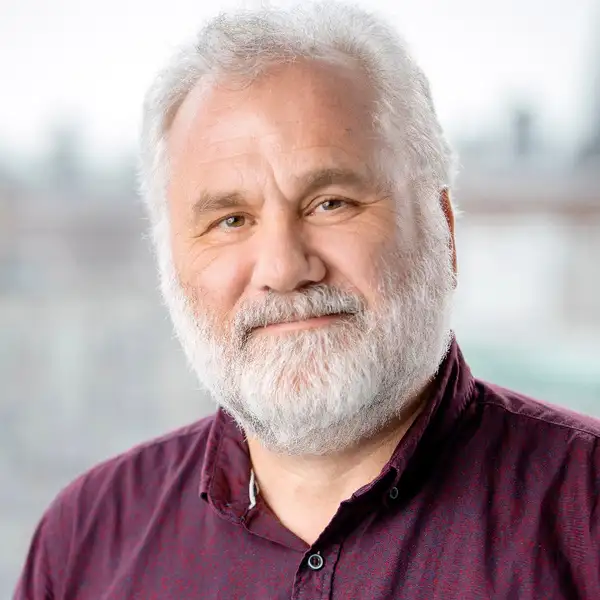
Martin Stute
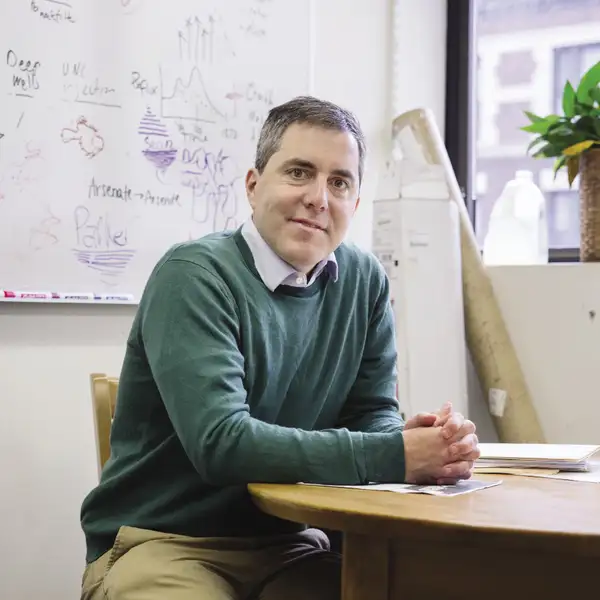
Brian Mailloux

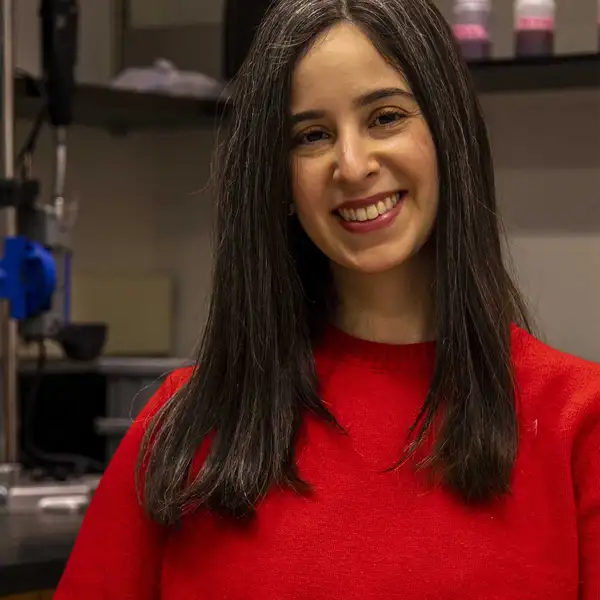

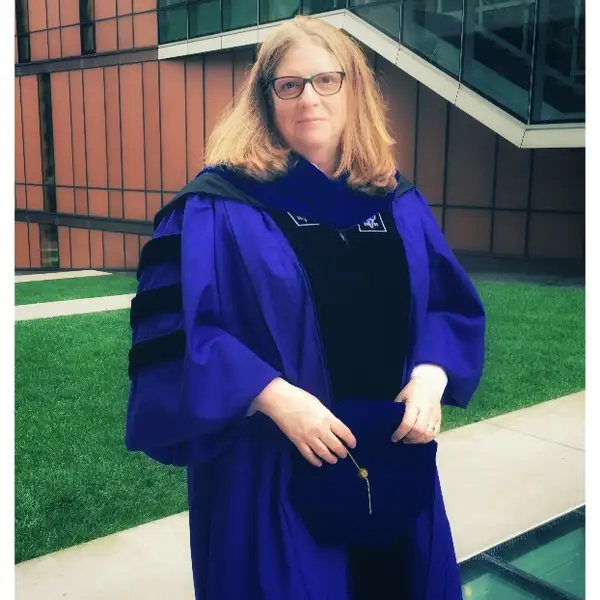

Sedelia Rodriguez

Environmental Science Department Programs of Study
Major
Minor
4 + 1 Programs
4+1 Pathways for Accelerated Graduate Study
Students interested in Barnard's suite of pathways to obtain Columbia University graduate degrees in five years by taking master ’s-level courses alongside foundational undergraduate courses should make an appointment in Beyond Barnard and inquire about the 4+1 Pathways for Accelerated Graduate Study
In order to apply, you must
- Attend Beyond Barnard Info Session to get an overview of the eligibility and application requirements
- Meet with Beyond Barnard Advisor
- Meet with a Barnard Faculty
- Complete Barnard and Pathway Prerequisites
- Have a cumulative GPA of at least 3.50
- Must have completed most of their requirements for their undergraduate major at the end of their junior year
No GRE test is required and no application fee is required for any of these programs. Students apply in the Fall semester of their junior year (likely November or December). To apply, students must submit:
- Official transcripts
- Personal statement
- Resume or CV
- Three letters of recommendation
- Some require an online application or additional forms
Five Year Programs
You can combine your BA from Barnard with a Masters of Science Degree from Columbia in Sustainability Management
Barnard has approved and is participating in Columbia's Masters in Sustainability Management Program. Admitted undergraduate students may take up to two Sustainability Management courses that count toward the master’s degree during their senior year. These courses will be accepted for advanced standing in Sustainability Management, but may not be counted toward students’ undergraduate degree requirements. These courses are SUMA K4100 Sustainability Management and one Approved Physical Dimensions of Sustainability Course. Please see Department Co-Chair Martin Stute if you are interested in this program. You can also view additional information on the application materials here.
Our Department
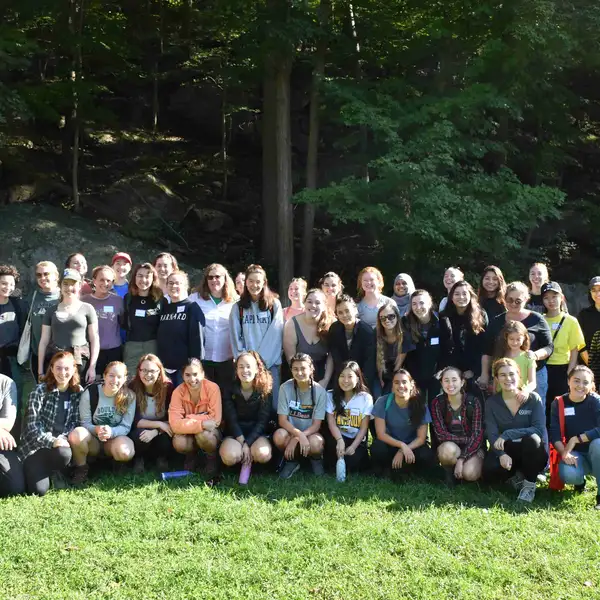
Annual Department Retreat
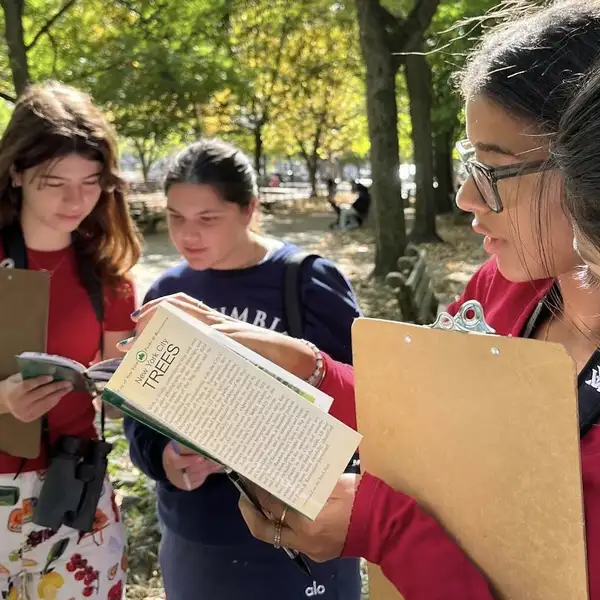
Program Planning
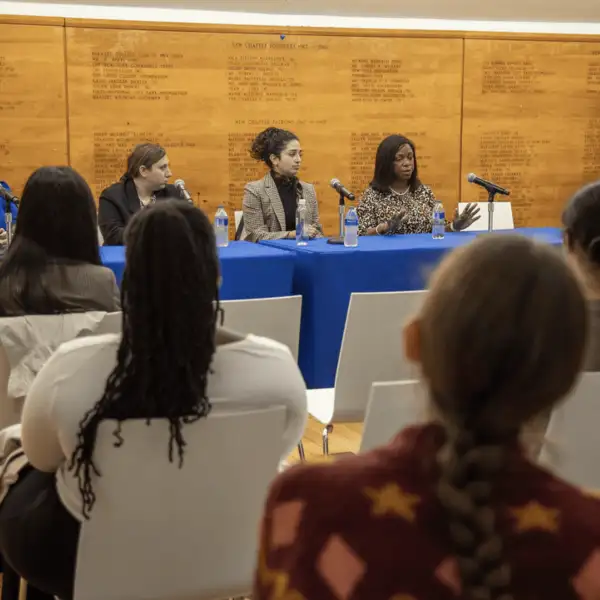
Career Panels
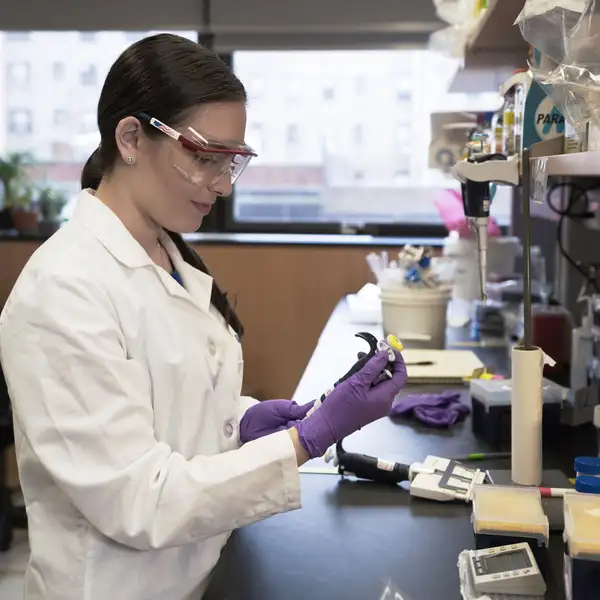
Research and Internships Events
Summer Research Meeting
Seniors Research Experience Share Lunch
Lamont/Earth Summer Research Lunch
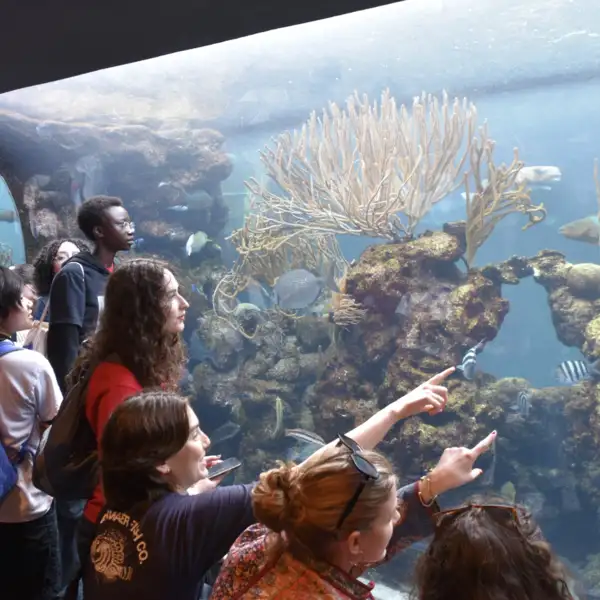
Study Abroad Lunch

Stress Busters
Opportunities and Resources
- Barnard's Summer Research Institute (SRI) is a 10-week program for Barnard students who want to conduct scientific research over the summer. Students work directly with a mentor at Barnard College, Columbia University, or other institutions. The SRI provides a common experience for students, providing additional training and opportunities to build skills, along with faculty lectures, alumnae panel discussions, social events, and more. Students receive funding, provided by grants, alumnae donors, and the Office of the Provost. Students interested in working in an external lab may do so but must ask if the mentor can provide full or partial funding. Many of our Junior major SRI participants use their work as foundations for their Senior Thesis Projects. Subsidized campus housing is available for those who apply.
- The Earth Intern Program for Columbia and Barnard undergraduates provides a summer research experience in Environmental sciences. The program features a hands-on research project under the supervision of an LDEO-affiliated scientist, as well as special lectures, workshops, and fieldtrips. As BC/CU junior, you have a very good chance of being admitted for this research funded by the Earth Institute and our Junior majors usually use this research for their Senior Thesis. A stipend and campus housing is included. The deadline is usually in March.
- The Lamont Summer Intern Program for undergraduates from U.S. colleges and universities provides a summer research experience in Earth and ocean sciences. The program features a hands-on research project under the supervision of a Columbia-affiliated scientist, as well as special lectures, workshops, and fieldtrips. When applying to this program you will compete with students from all over the country. Our majors do well in this application process and usually perform this research in the summer of their Junior year as a basis for their Senior Thesis. This program is an REU, Research Experience for Undergraduates, and provides research opportunities funded by NSF. A stipend and campus housing is included. The deadline is usually in March.
Details on applying to these programs can be found under the links above. For information on other campus-wide research opportunities, check out Barnard's Research Opportunities page.