Theatre Department
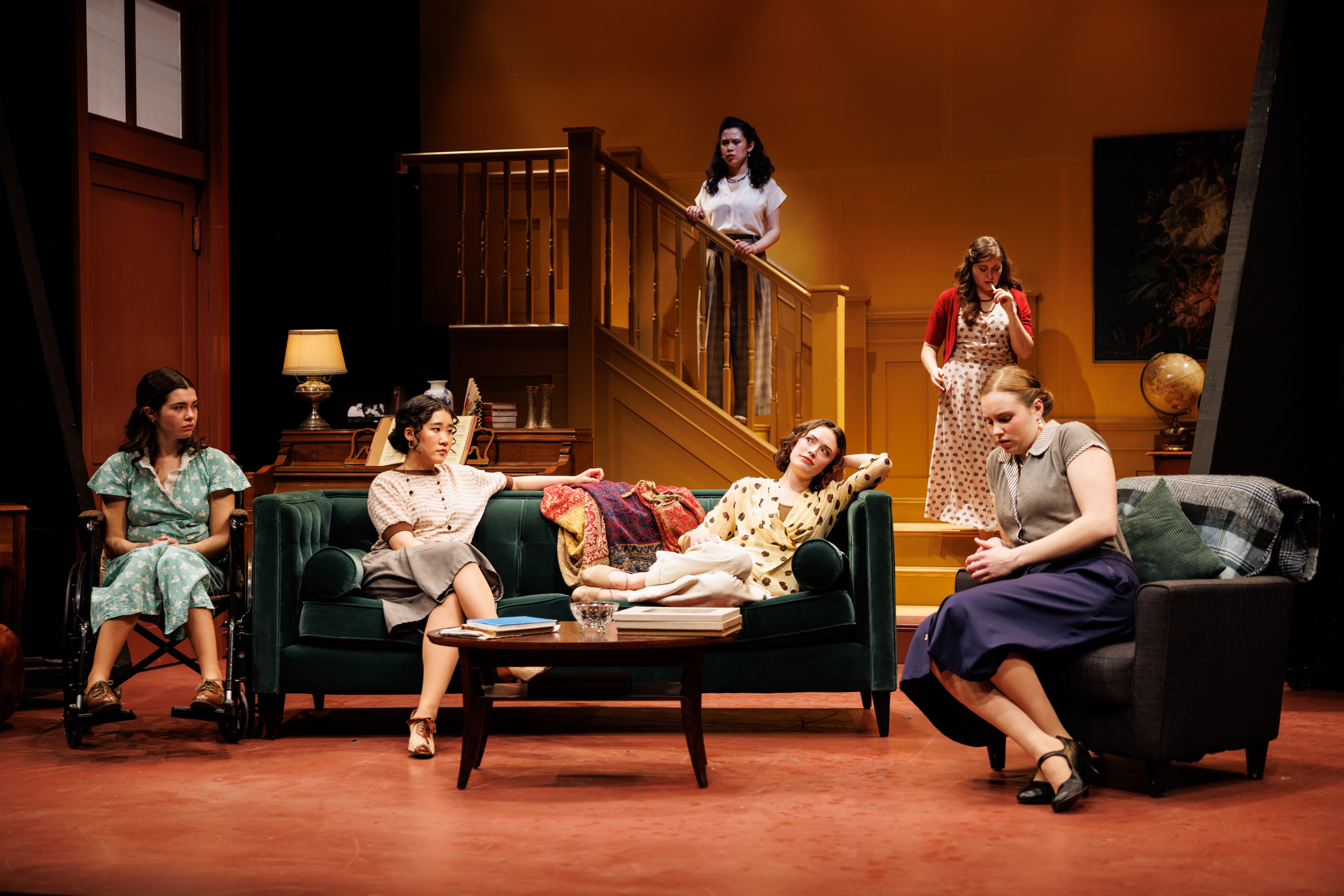
All courses, including stage productions, offered by the Barnard College Department of Theatre are open to all Barnard and Columbia undergraduate students. The undergraduate theatre major is housed in the Barnard College Department of Theatre, and is offered to all undergraduate Barnard College, Columbia College, and General Studies students (the Columbia major is designated “Drama and Theatre Arts”). The major program engages the disciplines of drama, theatre, and performance studies as a distinctive mode of intellectual and artistic inquiry. While Barnard and Columbia students fulfill the overall graduation requirements at their respective institutions (the Core at Columbia, Foundations at Barnard), major requirements are the same for all majors, who take foundational coursework in the literary, cultural, and embodied traditions of western and nonwestern performance as well as courses in the practices of acting, directing, design, dramaturgy, playwriting, and management and technical theatre. All majors then specialize in a specific area and undertake advanced thesis work, leading either to a formal essay of original research, or to an artistic project (in acting, design, directing, dramaturgy, playwriting, solo performance, or stage and production management) that combines the practices of research and artistic creation. Barnard and Columbia students receive their degrees from their respective colleges of Columbia University.
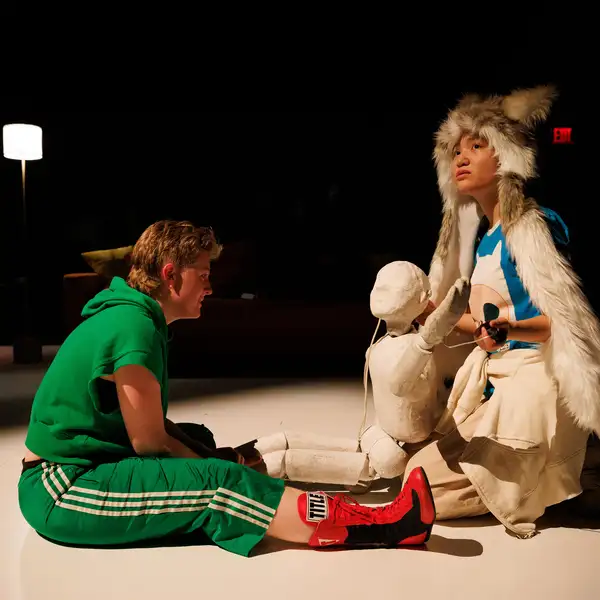
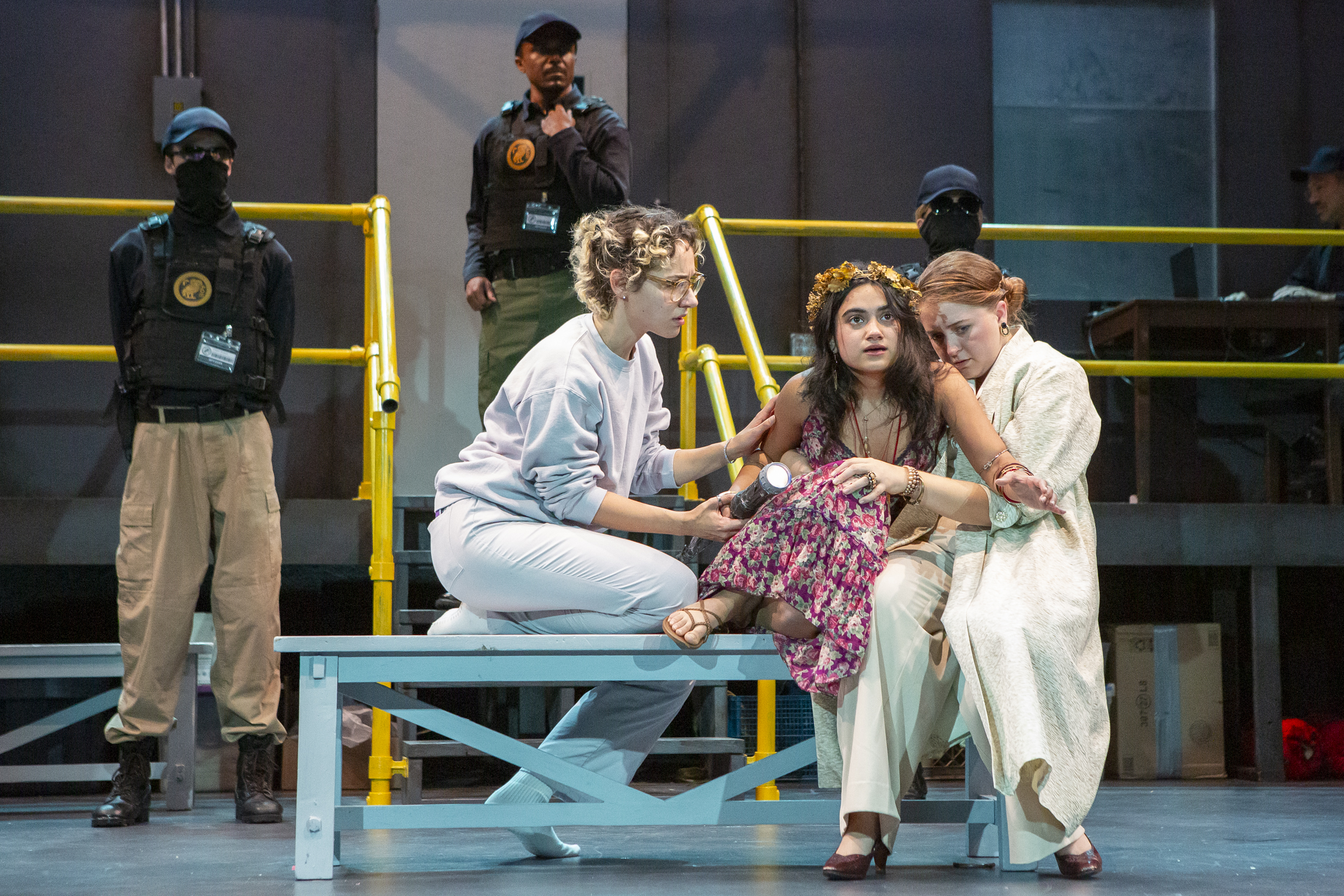
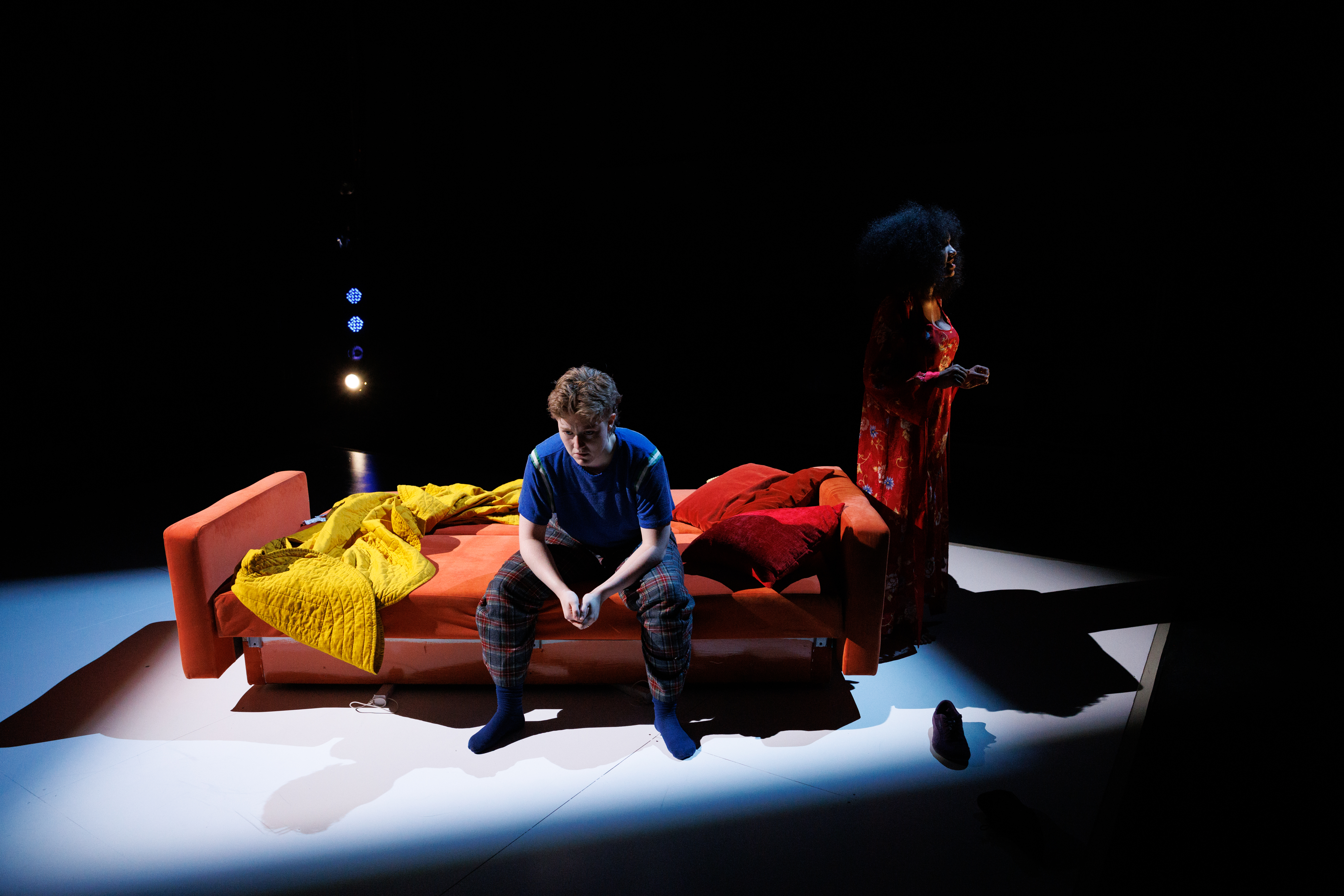
The Barnard College Department of Theatre mounts a full season of productions in the Minor Latham Playhouse and the Glicker-Milstein Theatre, a crucible of investigation that is a credit-bearing element of the curriculum, and open to all undergraduate students for audition. A collaboration between students and professional theatre artists, the Department of Theatre productions are both a learning process and a scene of encounter, where perceptions are shaped for the attention and creative reflection of a larger public.
2026 Fall Auditions
Going forward, the canvas will be the primary place for schedule updates and announcements, so we recommend bookmarking it and checking in regularly.
First Year Recommendations
Critical Histories of Drama, Theatre, and Performance
Theatre Traditions in a Global Context
Choreographing the American Musical
2025-26 season
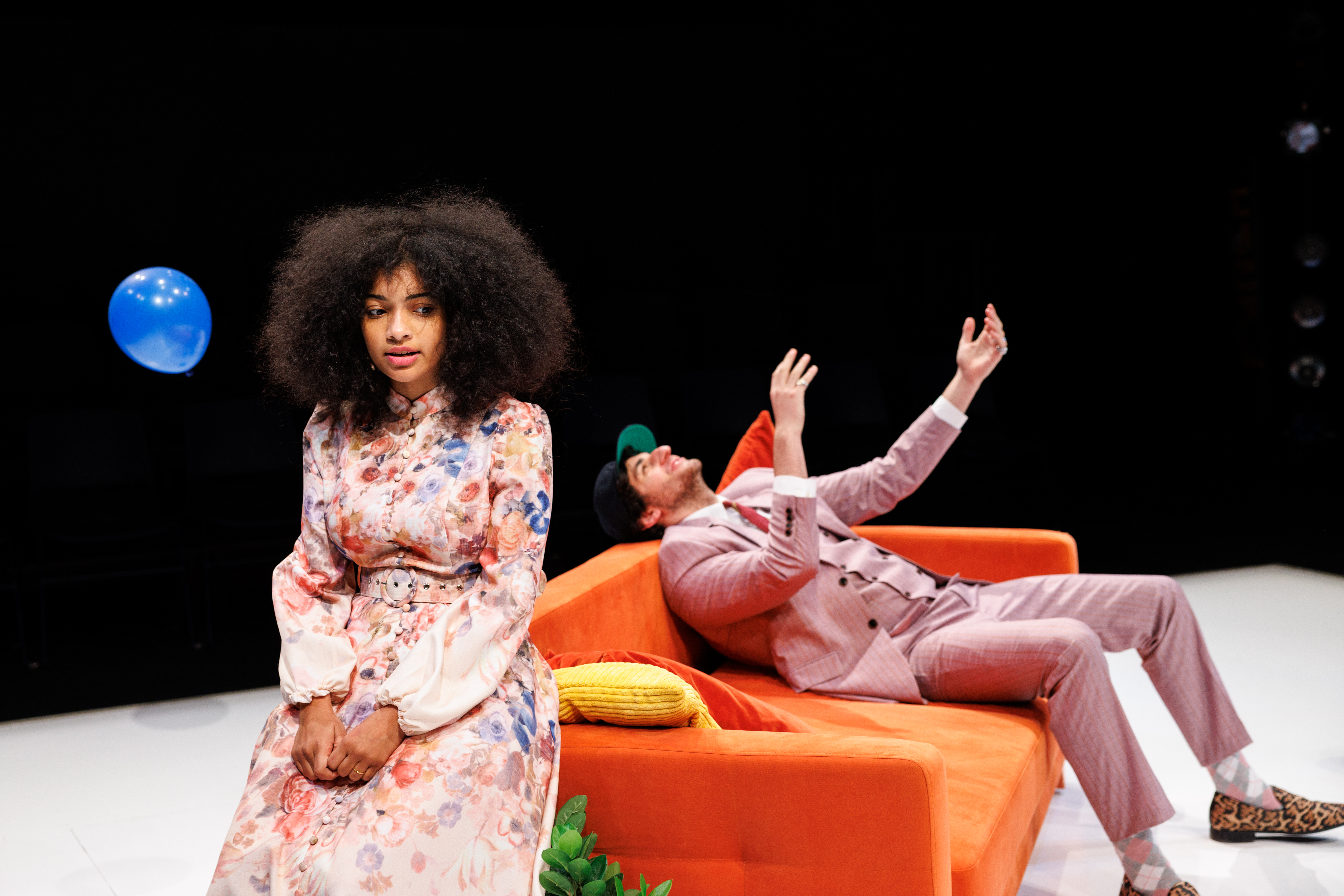
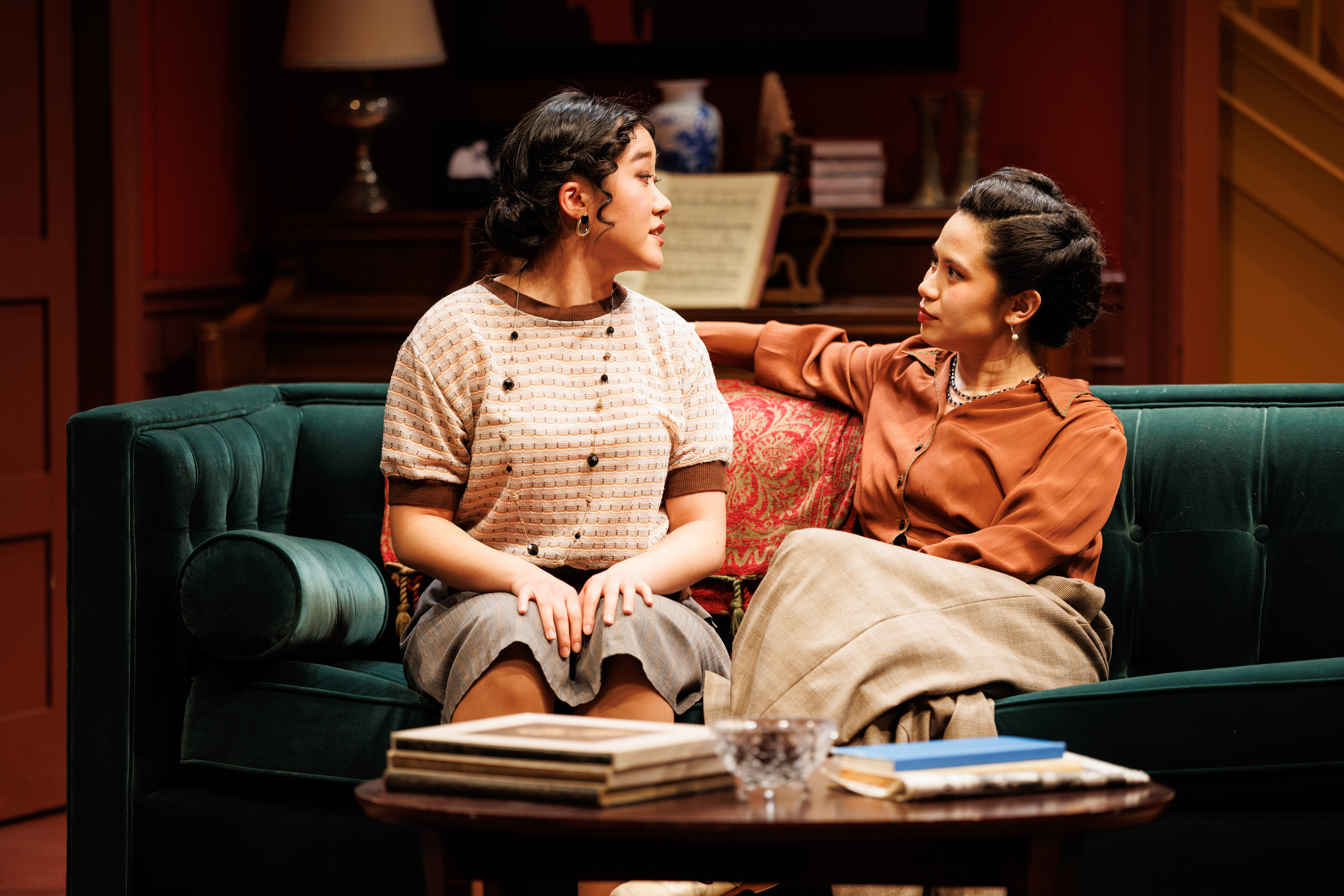
Fefu and Her Friends, spring 26, photos by Maria Baranova-Suzuki
What This Degree Prepares You to Do
Major, Minor, and Senior Thesis
The study of drama, theatre, and performance incorporates wide and interdisciplinary ways of doing: acting, directing, design, writing, critique. Lecture/seminar coursework in the Theatre major emphasizes the critical, theoretical, and practical perspectives essential to understanding drama, theatre, and performance as instruments of artistic and cultural work, work that has transpired both historically and globally. This critical discipline is complemented in praxis courses, which shape a critical encounter with the disciplines of creative work in acting, design, directing, dramaturgy, and playwriting. Theatre majors, and all students in Theatre classes, learn to produce critical work across different creative platforms (lecture, seminar, studio), and to explore the interdisciplinary interfaces that define theatre and performance themselves. All courses, whether seminars or studios, articulate a diverse range of approaches to inquiry, and a diverse range of objects of inquiry as well.
Department Concentrations
The Acting program is designed to develop the essential elements for a confident, fluid, and articulate self-presentation in performance, including physical expression, emotional resourcefulness, and a range of practical skills. First-level courses develop the actor's physical and expressive instrument, concentrating on the physical, intellectual, and emotional resources essential to effective acting. A second-level set of courses assess the embodied, critical, and conceptual demands of a specific range of performance, having to do with technique (Laban, Suzuki, Meyerhold, Improvisation, Language and Speech, for example), genre (Solo Performance, Acting the Song, Acting the Musical Scene), and kinds of dramatic material (Chekhov, Shakespeare, Comedy). Students wishing to specialize in acting—whether majors or nonmajors—are advised to work closely with members of the acting faculty in selecting their program of study, and to follow a recommended sequence of coursework from first-level to second-level classes.
Student Learning Objectives:
Students successfully completing a concentration in acting should be able
a. to analyze dramatic texts and apply the analysis to developing a performable role/character
b. to synthesize external elements with external elements (social mores, environment, historical context, status relationship to others) and internal elements (center of gravity, personal rhythm, speed, tempo) toward the expression of a character's physicality and emotionality
c. to recognize and apply the fundamental concepts of character development: objectives, obstacles, actions, given circumstances
d. to develop vocal, physical and emotional awareness and imagination, and to explore techniques available to aid the actor in applying these elements in a conscious way during rehearsal and performances
Fall 2026
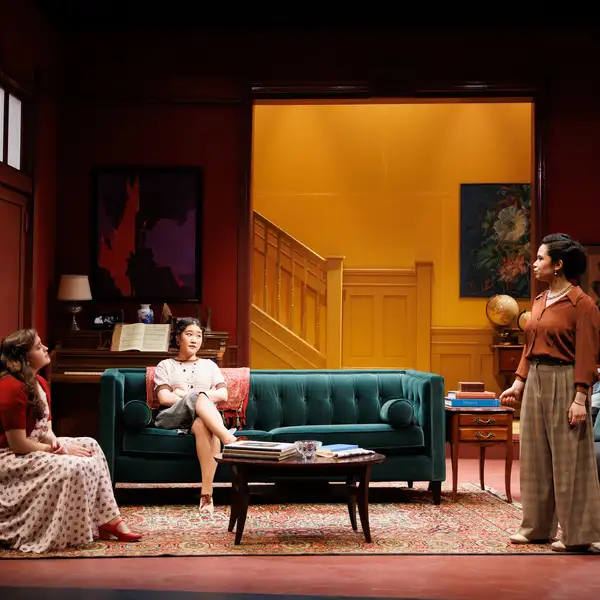
An Enemy of the People
Directed by Shannon Sindelar
10/22-10/24, 2026
With An Enemy of the People, Ibsen draws an array of powerful, nuanced figures, and shows us that everyone--the politician, the working man, the liberal progressive--is capable of falling prey to the dangers of groupthink. When we silence, we turn away from debate and discussion, we lose the free press, we lose the public town hall, we lose conversations around the kitchen table. — Shannon Sindelar, director
The Bacchae—Holstein Milk Cows
translated by Aya Ogawa
Directed by Ibi Owolabi
12/10-12/12, 2026
Working on a play like Bacchae/Holstein will be a radical collision on themes of sexuality, violence, gender and conception, expressed with our most vital instrument- the body. This play will be an adventure, using our voices and physicality to weave the tales surrounding a simple housewife, and her sordid decisions. I'm excited to welcome a team into the mysteries we face in this play, and create a Greek tragedy-inspired sonic and visual experience together. — Ibi Owolabi, director
*Please be advised that The Bacchae—Holstein Milk Cows contains: highly sexual themes, bestiality, descriptions of assault and self harm
Our Spaces
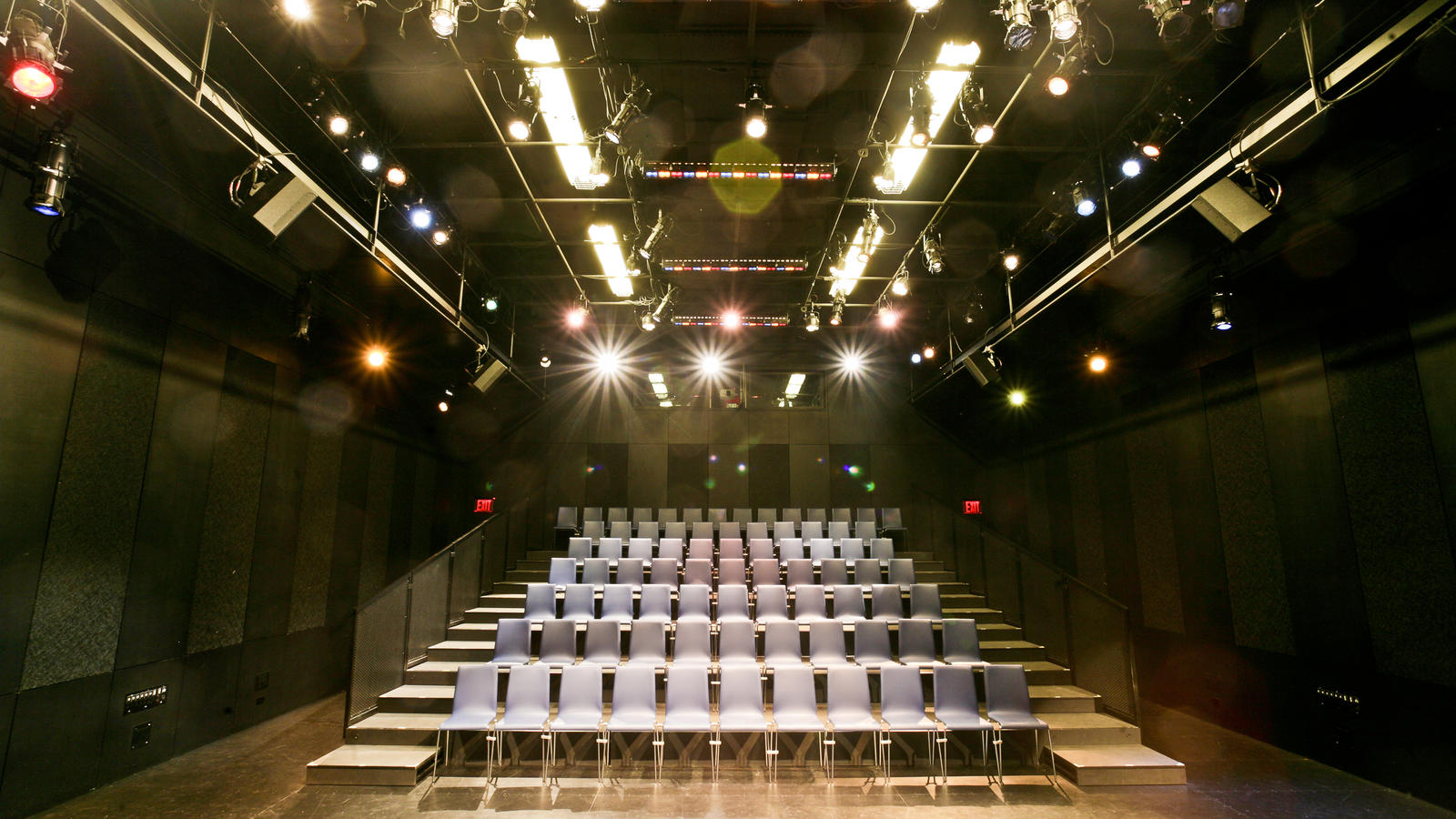
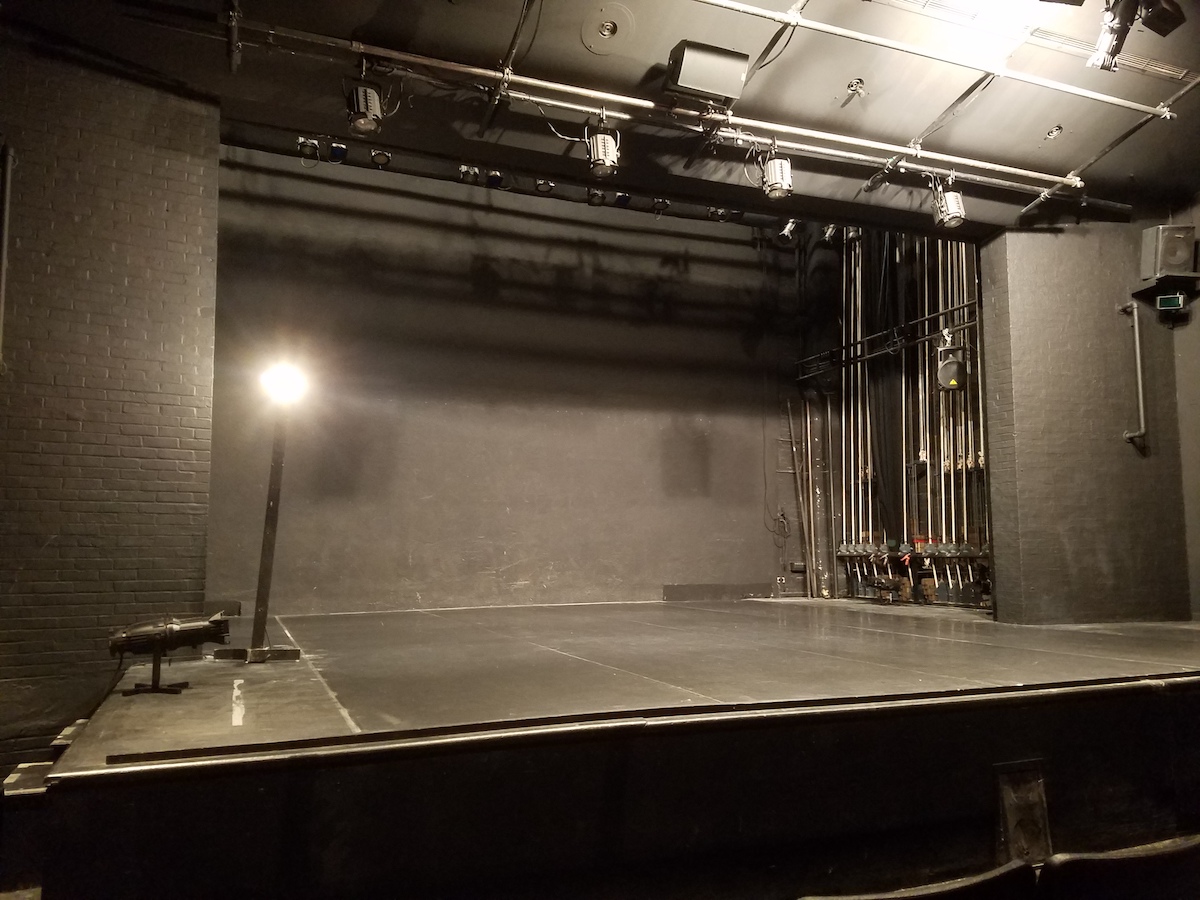 | The Minor Latham Playhouse, located on the first floor of Milbank Hall, is a 132-seat proscenium theatre that serves as the home for most productions in the Barnard Theatre Department. The theatre's namesake, Minor White Latham, was a professor of English at Barnard where she taught Elizabethan literature and playwriting from 1914-1948. "She was perhaps best known," according to her obituary in the New York Times, "for a novel method of teaching playwriting. She had students act out all their plays as soon as they were written. 'After all, a play is written to be acted, not read,' she once said." In 1954, the theatre was renovated and renamed in her honor. In addition to serving as a performance venue for Barnard student organizations and departmental productions, the Minor Latham Playhouse (or "MLP") also hosted a variety of productions from the wider New York City theatre community. The most notable instance of this is from 1959 when the original production of the musical The Fantasticks premiered in a one-acts festival in the MLP. |
Our Faculty

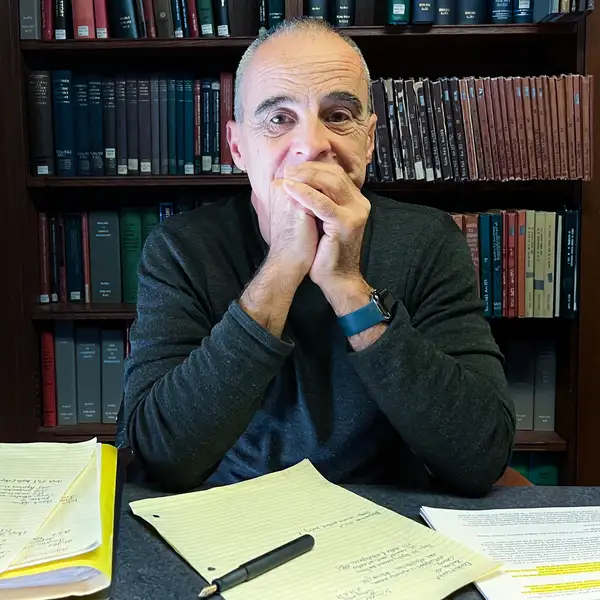
Alice Reagan



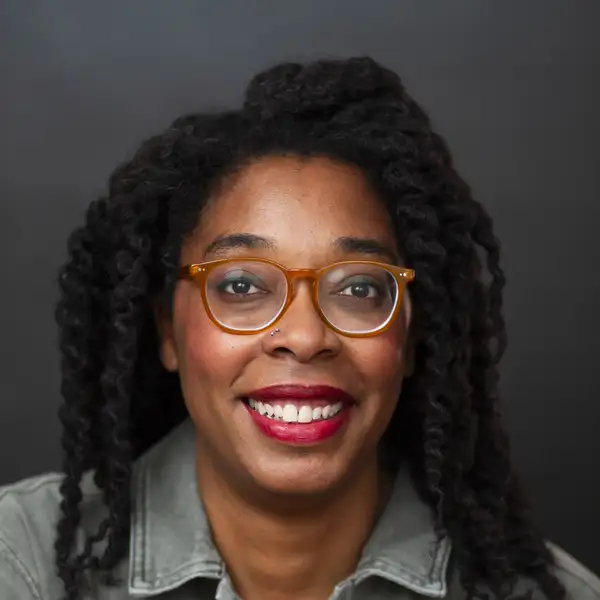
Ronika Reddick
Our Department
Pam Cobrin
Patricia Denison
Tea Alagic
Mana Allen
Autum Casey
Will Davis
Kyle deCamp
Crystal Finn
Sharon Fogarty
Kareem M. Lucas
Tina Mitchell
Ibi Owolabi
Shannon Sindelar
David Skeist
Peiyi Wong
Elena Zucker
Michael Banta
Kara Feely
Marsha Peruo
Greg Winkler
Theatre in the News
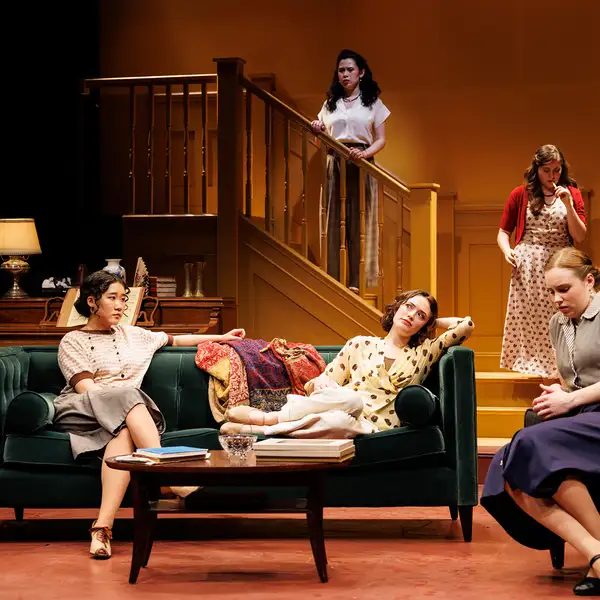
Barnard Theatre Department Presents a Sold-Out Run of “Fefu and Her Friends”
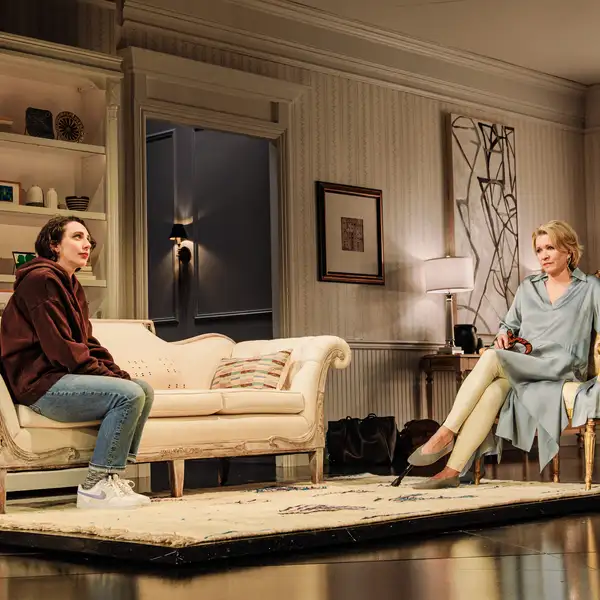
Gina Gionfriddo ’91 and "Becky Shaw" Nominated in the 2026 Tony Awards
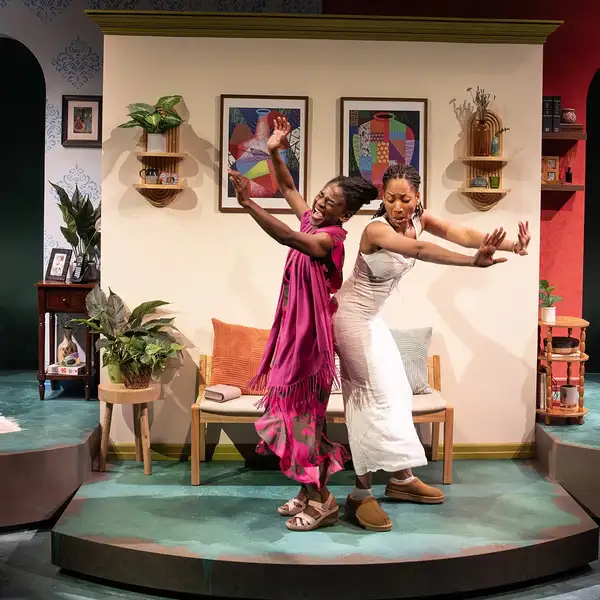
Playwright Phanésia Pharel ’21 Makes Her Off-Broadway Debut
Professor Alice Reagan Awarded Creative Research Grant
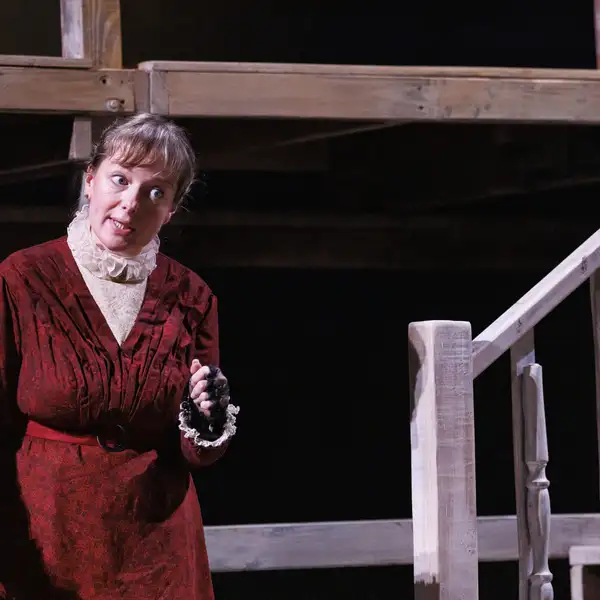
Zuzanna Szadkowski ’01 Is Not Jane Austen’s Mrs. Bennet
Frequently Asked Questions
The Department of Theatre, Barnard College, is the theatre department for all undergraduate students at Columbia University (Columbia College, Barnard College, School of General Studies, School of Engineering and Applied Science). The Department offers classes in the critical study of drama, theatre, and performance, as well as classes in the artistic practice of a range of disciplines: acting, directing, design, playwriting and dramaturgy. Although there is no formal relationship between the undergraduate theatre program and the graduate Theatre Division, School of the Arts, at Columbia University, the two programs have increasingly coordinated on curricular choices and theatre events.
Contact our Department
3rd Floor, Milbank Hall
3009 Broadway
10027 NY
United States