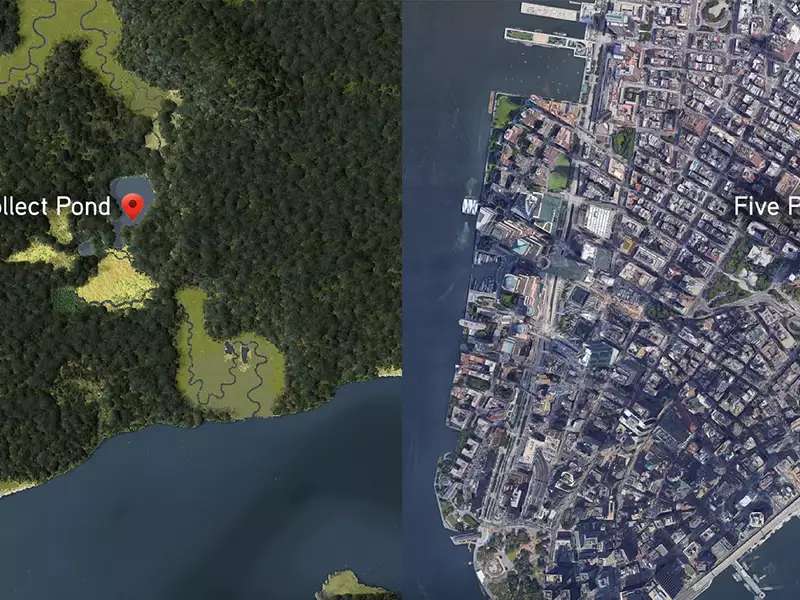
In recognition of National American Indian Heritage Month (November), Barnard highlights historic Manhattan areas where the Lenape peoples lived for centuries.
In recognition of National American Indian Heritage Month (November), Barnard highlights historic Manhattan areas where the Lenape peoples lived for centuries.

Barnard’s inaugural Journalist-in-Residence spoke with Mujeres president Fatima Burgos ’21 about Hinojosa’s new class, being back at the College, and giving voice to Latinx issues.
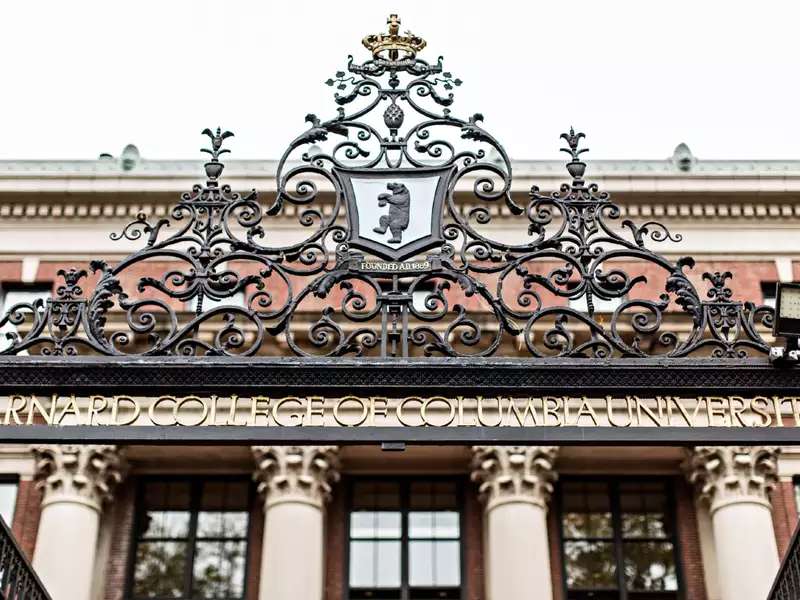
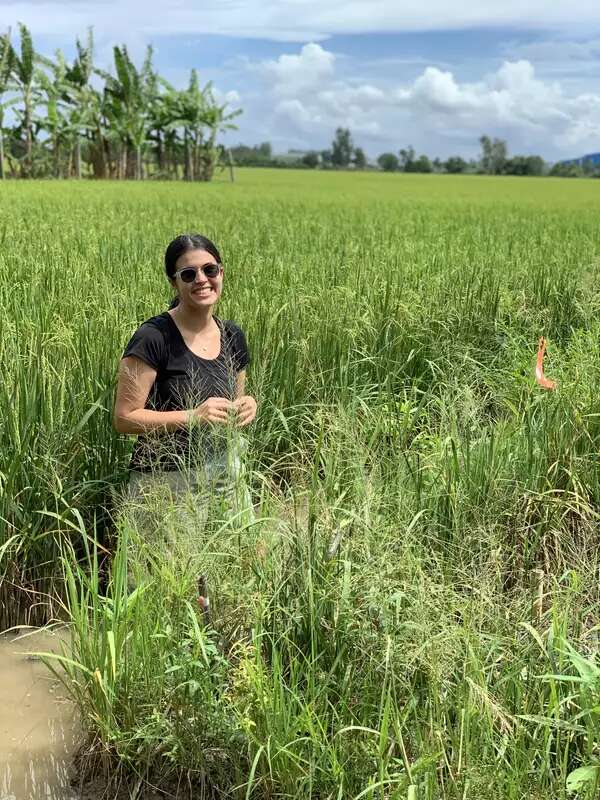
Eden Halpert is a senior, double majoring in Asian and Middle Eastern Cultures and Environmental Science. She is interested in the intersection between the environment, public health, and social issues in Asia through the lens of agriculture. Outside of class, Eden serves as a peer mentor at Access Barnard and serves as a research assistant at Lamont-Doherty Earth Observatory. She has led a group of high school students in environmental field research through the Secondary School Field Research Program, and was an intern for the State Department's Greening Diplomacy Initiative.
Through her work as a research assistant at Lamont-Doherty Earth Observatory, she studies soil chemistry and arsenic mobilization in rice paddies. As rice provides over 50% of calories consumed in Asia, arsenic concentration in rice is a major public health issue linked to chronic and terminal diseases. Rice is more enriched in arsenic than other cereal grains, such as wheat or barley, due to its flooded growth conditions. In Summer 2022, Eden traveled to Vietnam to perform fieldwork and harvesting of a small crop of Zinc fertilized rice in the village of Lấp Vò, Đồng Tháp in the Mekong River Delta. She collaborated with students and scientists from Yale University, Vietnam National University in Hanoi, and Fulbright University in Ho Chi Minh City as well as local farmers. Her final thesis will examine the effect on Zinc fertilization on inhibiting arsenic uptake in rice, and also the role rice plays in the economics, public health, government regulation policies of Vietnam.

In this Break This Down interview, Professor Elizabeth Hutchinson discusses the historical and cultural issues raised in cataloging and exhibiting America’s indigenous cultural treasures.

Barnard staff members who have dedicated as many as 45 years of service to the College were honored on June 12, 2019, at the first annual Staff Recognition Breakfast.

We spoke to the director and chairs of each department, who shared what makes the end-of-year shows and performances by students in art, music, and theatre special.

This spring, Barnard Center for Research on Women research assistant Asha Futterman ’21 and Mariame Kaba, BCRW Social Justice Institute Researcher-in-Residence, hosted Radical Black Women of Harlem: A Walking Tour.

Taylor Thompson ’20 is learning about policies and practices that will help her deconstruct inequities in the education system.

Mary Sibande — one of the most significant contemporary South African artists and a major voice in the intersectional dialogue on race, culture, and labor — is this year’s Virginia C. Gildersleeve Professor.

Kayla Levy ’19 was awarded the inaugural Ingeborg, Tamara, and Yonina Rennert Prize in Jewish Women’s Studies on April 16, 2019.

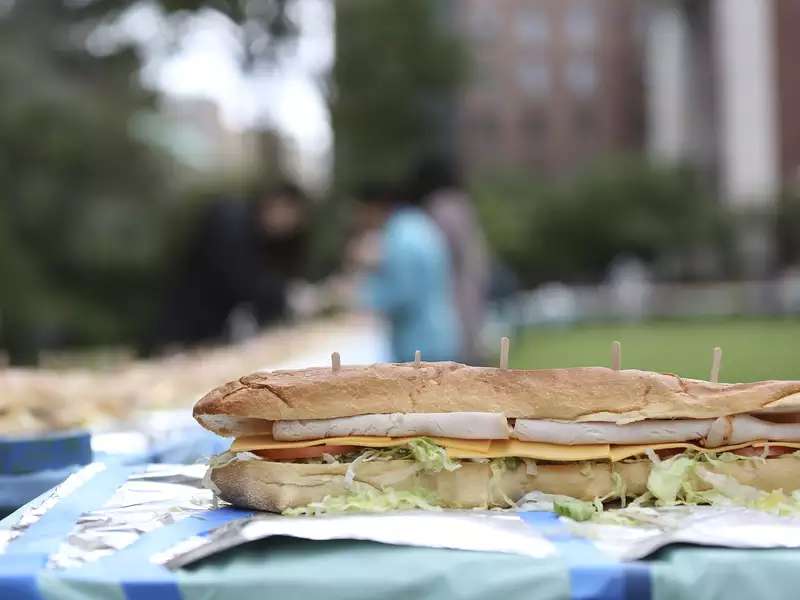
This spring break, professor of history Nara Milanich and students provided pro bono help in Dilley, Texas, for her course, Seeking Asylum, a credited, experiential learning experience that gives students the opportunity to explore the political crisis surrounding asylum-seeking families at the U.S.-Mexico border.

In our newest installment of an on-going scholar-athlete series, Anne Cebula ’20 talks about becoming Barnard’s first student-athlete to win an individual NCAA Championship title.

The advice Mia Ciallella ’19 gives to Barnard students: Be a part of as many different groups as interest you.

A smartphone based program can detect spores in honey bees that are believed to be a factor in their decline.

As 2018 nears its end, we reflect on an amazing, eventful year at Barnard. Here are a few of the moments that made the year so memorable.

When should a student begin preparing for life after college? According to the team at Beyond Barnard, Day 1 is not too early, and it’s never too late to think about post-graduate options.