Monet Eliastam ’13 is not only blazing a trail — she’s skiing across it.
For the past three years, Eliastam has diligently trained to become the first American woman to ski the South Pole solo and unsupported. And on Sunday, January 18 at 8 p.m. Central European Time, she completed her mission.
Eliastam skied 702 miles in 57 days.
On November 23, a plane dropped Eliastam off on the edge of Antarctica, alone, hundreds of miles from the South Pole.
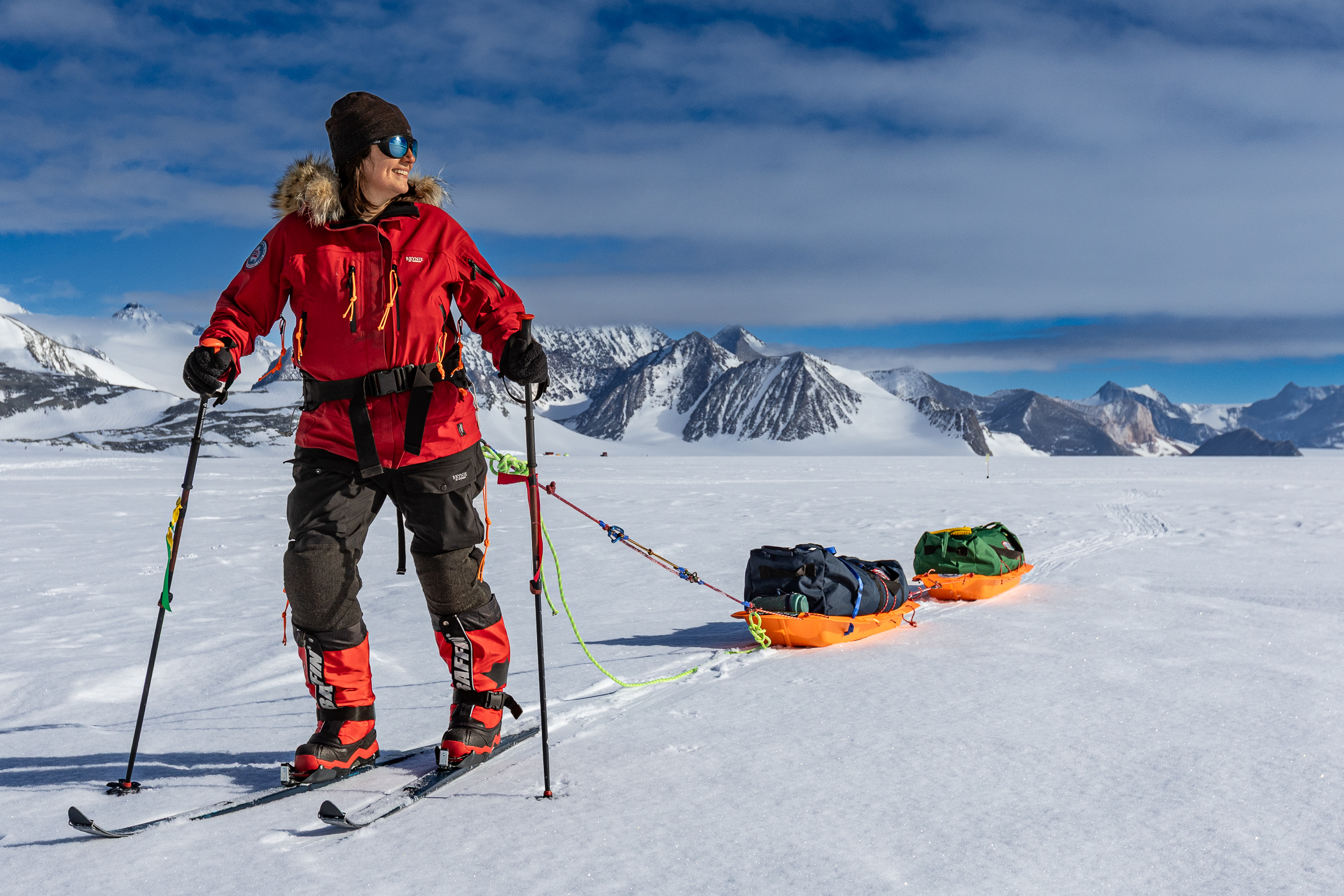 “I watched the plane take off, leaving me alone on the ice,” Eliastam wrote of her arrival. “I waited for a wave of fear or anxiety that never came. Bracing myself against the wind, I just skied on.”
Her expedition consisted of skiing the Hercules Inlet route, journeying from the Ronne Ice Shelf to the Antarctic plateau and then south to the pole (for context — the Hercules Inlet route is 700 miles total with approximately 8,000 feet of elevation gain).
For 57 days, Eliastam experienced the same 24 hours on a loop: wake up, eat breakfast, break down camp, ski for approximately ten to twelve hours, set up camp, eat dinner, go to sleep. Repeat. She began her voyage with all the supplies needed to survive the expedition.
“I celebrated in my tent with a delicious appetizer of chips and tinned mackerel dip,” she wrote on day nine of the expedition. Her meals consisted of oatmeal, candy bars, protein bars, ramen — food that could last during her weekslong journey.
Along her crossing of the great white south, Eliastam faced rough terrain head-on, navigating polar weather conditions such as fields of sastrugi, white-outs, and katabatic winds.
“My sleds were flipping and getting stuck in the narrow channels of wind-bored ice,” she posted on her Instagram account on day 23. Despite the icy obstacles, Eliastam skied on.
Eliastam’s journey to the South Pole
Despite being an innate part of Eliastam’s personhood, adventuring wasn’t her initial post-grad plan. After earning her undergraduate degree in film studies from Barnard, she stayed in New York City, working to save money with the goal of becoming a documentarian.
With a few years in the workforce under her belt, Eliastam decided to leave her nonprofit job in the city. She continued to weave her love of traveling with the art of storytelling by creating her own travel series on YouTube, portraying a fresh and honest take on the realities of traveling as a woman. In one episode, she attempted to find tampons while hiking in Nepal.
“I still think in mainstream media we don’t see much [representation] in the travel or adventure world,” said Eliastam. “And if we don’t see it, then we don’t know what’s possible.”
While many public-facing adventurers in mainstream media are men, she wants to shift the notion that solo traveling is a man’s job, by doing it herself — a mindset she fine-tuned by attending a women’s college. Eliastam shares her expeditions with an online community of over 460,000 followers, many of whom are women she empowers with her independent adventures and world lens.
Through her various social platforms, she organizes group trips to encourage others to push their limits in a collaborative environment. The trips range from low to high-activity levels and typically last around 8-12 days. Participants can enjoy peace of mind engaging in guided adventures, easing themselves into high-activity excursions under Eliastam’s leadership. Trips include hiking up the tallest mountain in Kenya, sailing the Sporades in Greece, and searching for polar bears in Greenland.
In November, she embarked on her historic adventure to the South Pole.
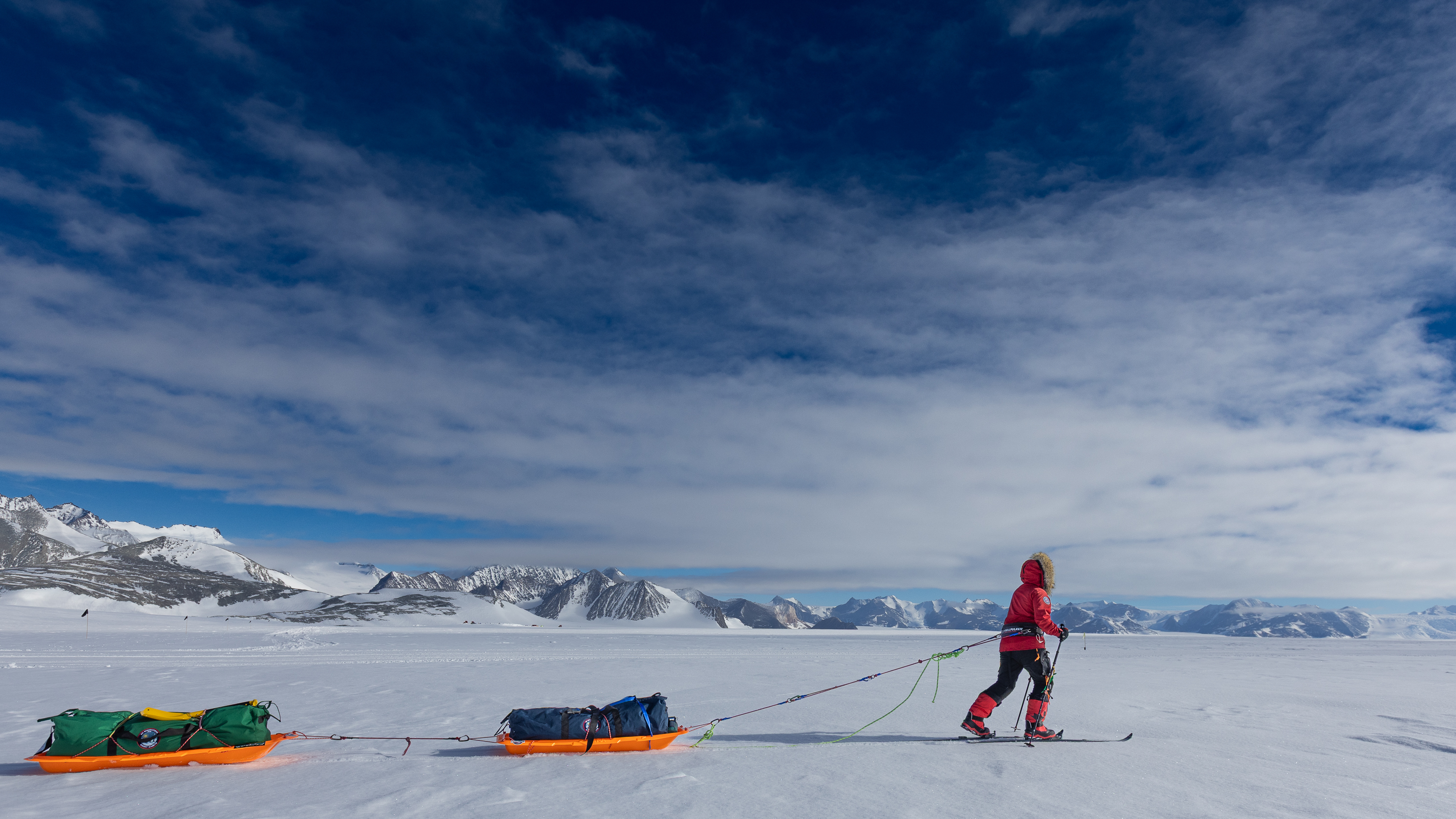 “This isn’t just about skiing to the South Pole,” said Eliastam on her website, prior to the expedition. “It’s about showing up scared and doing it anyway.”
This expedition had been a goal of hers since 2022 when Preet Chandi became the first woman of color to complete a solo expedition of Antarctica. The headlines made their way to Eliastam, and a seed was planted. She began her research, the idea never wavering.
“It sounded terrifying — and amazing. I couldn’t stop thinking about it,” said Eliastam. She landed upon a beginner expedition course run by an American company called PolarExplorers, a test drive before jumping into such a monumental challenge.
She recalled a breakthrough moment during the course — her guides asked why she signed up. Hesitant to answer truthfully, in fear of being laughed out of her goal, Eliastam reluctantly relayed her mission to ski the south pole.
The response surprised her: “They said, ‘you can absolutely do this. You have to train for it. It will be hard, but you can 100% do it.’”
Then began her arduous training journey.
Eliastam’s extensive regimen began in October of 2023 with the same coach who worked with Preet Chandi. One component of her training made her somewhat of a local celebrity both on the side of the road and in various news outlets — tire pulling. She dragged two tires behind her to prepare for pulling the full weight of her sleds (a whopping 250 pounds), as onlookers watched in awe.
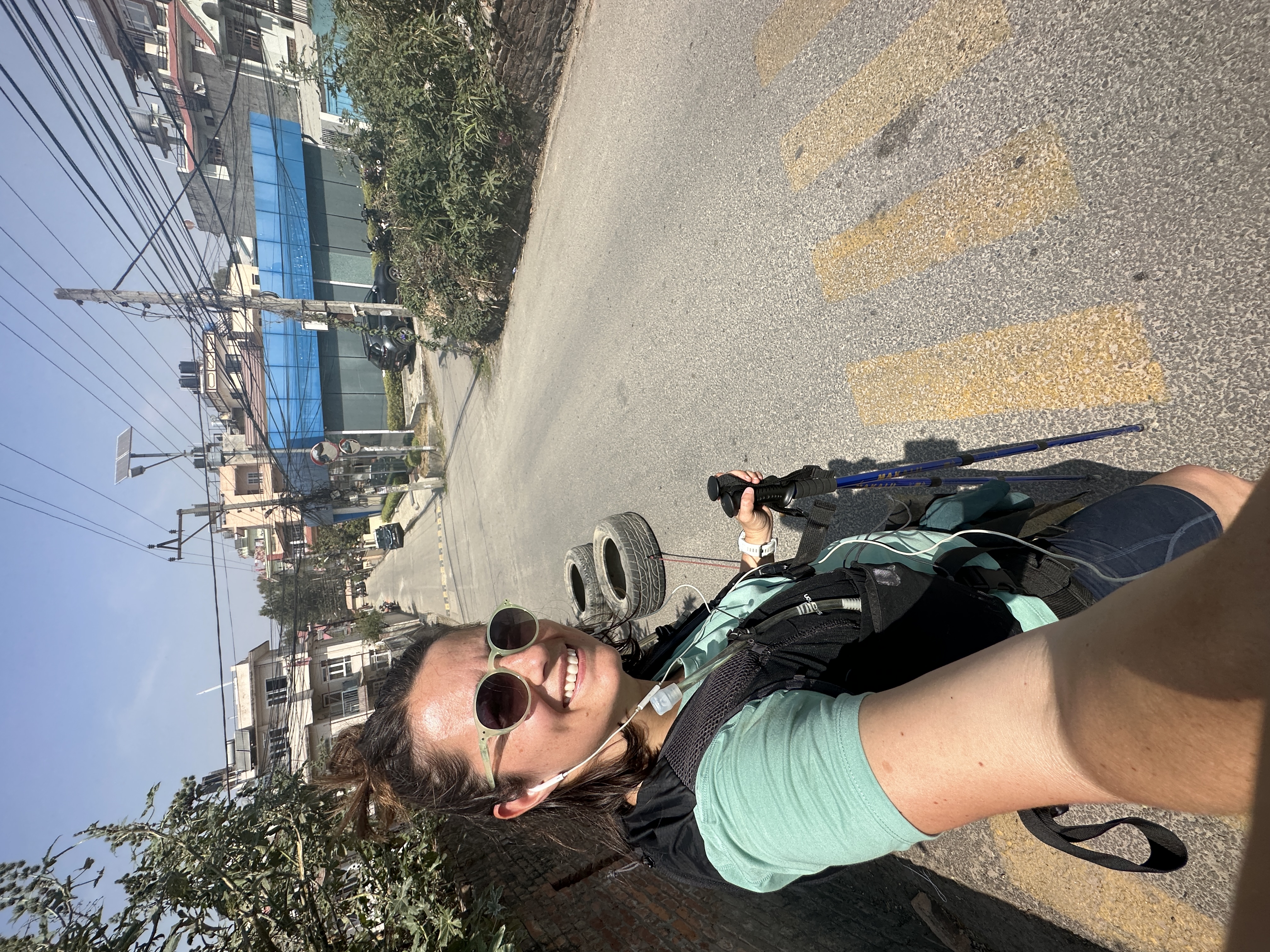 “You have to give up the idea that you’ll find a road with no cars or people,” said Eliastam, recounting the challenge of tire pulling in public spaces. “You definitely lose all sense of shame.”
With her busy schedule and consistent traveling, Eliastam kept spare tires in alternate locations around the world to continue her training no matter her zip code. She had business cards on hand, to pass out to the inevitably inquisitive passersby.
Other essential training included glacier travel courses, wilderness first aid, and familiarizing herself with her gear — soon to be her most cherished companion on the journey. All in all, her training amounted to approximately fifteen to twenty hours a week, while simultaneously spearheading her group excursions.
“I've thought about this expedition every single day for three years.”
To officially earn the title of first American woman to ski the South Pole solo and unsupported, Eliastam had strict classification guidelines to adhere to. If she were to run into any trouble along the way and request help, she would then lose unsupported status. Though direct assistance was not available, she had daily security check-ins at the same time every day. If she missed a check-in twice, an automatic emergency response would be triggered.
Following her historic feat, Eliastam returned to an encampment in Punta Arenas, Chile, where she was met by family members to celebrate her achievement.
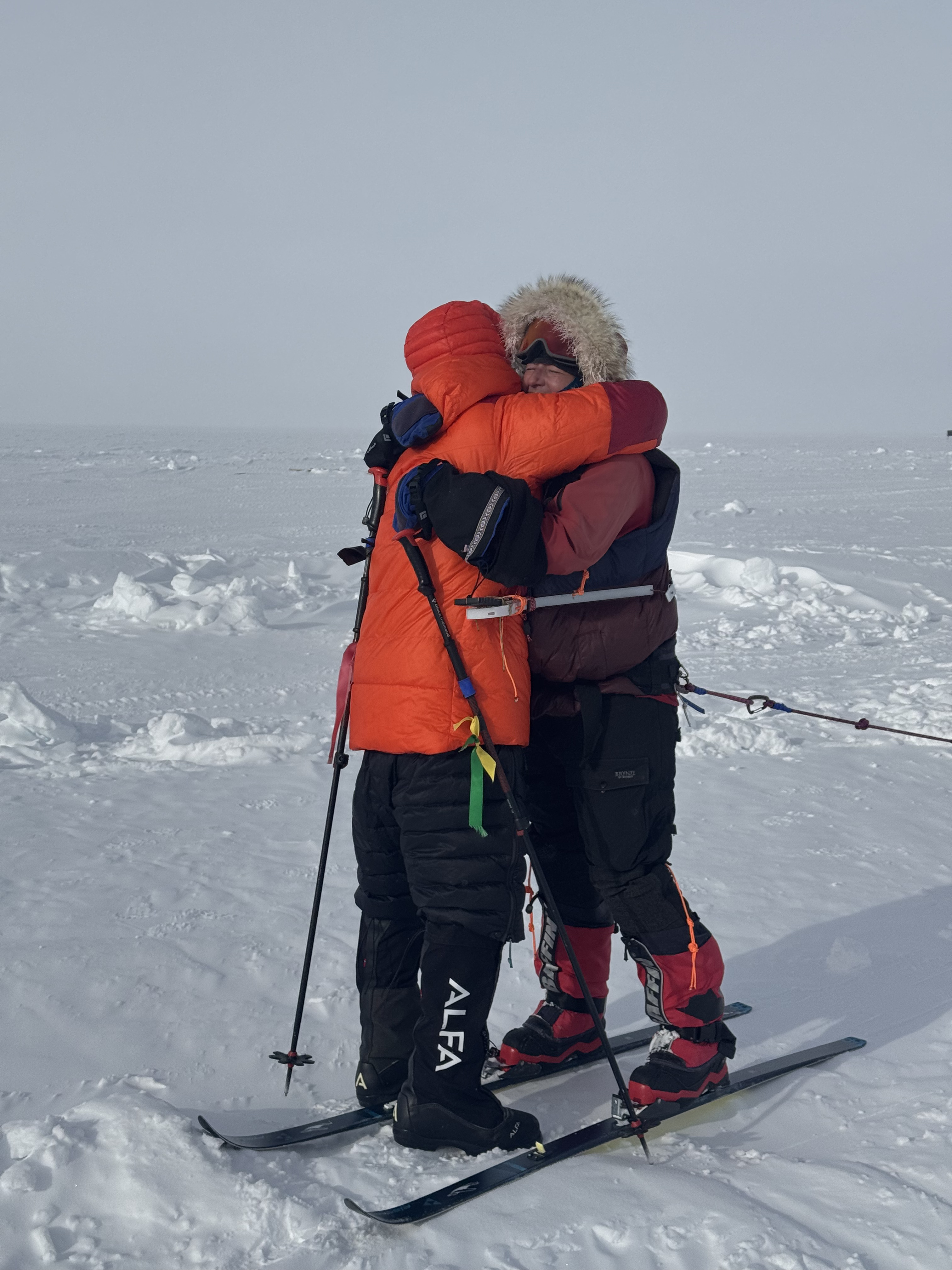
"This expedition was the hardest thing I've done in my life so far. I'm not a professional athlete, just someone who decided to see if they could take on a really big dream,” said Eliastam. “I'm so proud to be the first American woman to have completed this expedition, a testament to the power of dreaming big and taking it one step at a time.”
And while there will certainly be another extraordinary expedition to follow, Eliastam is taking this journey one step — or ski — at a time.
As for the current Barnard adventurers hoping to make a mark on the world by getting a few new stamps in their passports, Eliastam has a few words of wisdom: “Just do it. Take the first step and don’t overthink it,” she said.
“Wherever you go — lead with an open mind and listen more than you speak.”