By Deborah Lynn Blumberg
Coffee could change your brain, even lower the chance of Alzheimer’s, explained Mia Soviero ’24 to her TikTok followers as she chopped chocolate bars and stirred coffee grounds into melted butter to make espresso chocolate chip cookies.
Soviero started the account “Brain Food” on TikTok, combining cooking with science lessons to encourage others to “geek out about neuroscience,” with her. The series has complemented her day-in-the-life videos depicting her time in New York as a pre-med neuroscience student and research assistant studying migraines and memory.
A common, pressing question from her TikTok followers—now nearly 200,000—was: how can I get involved in scientific research?
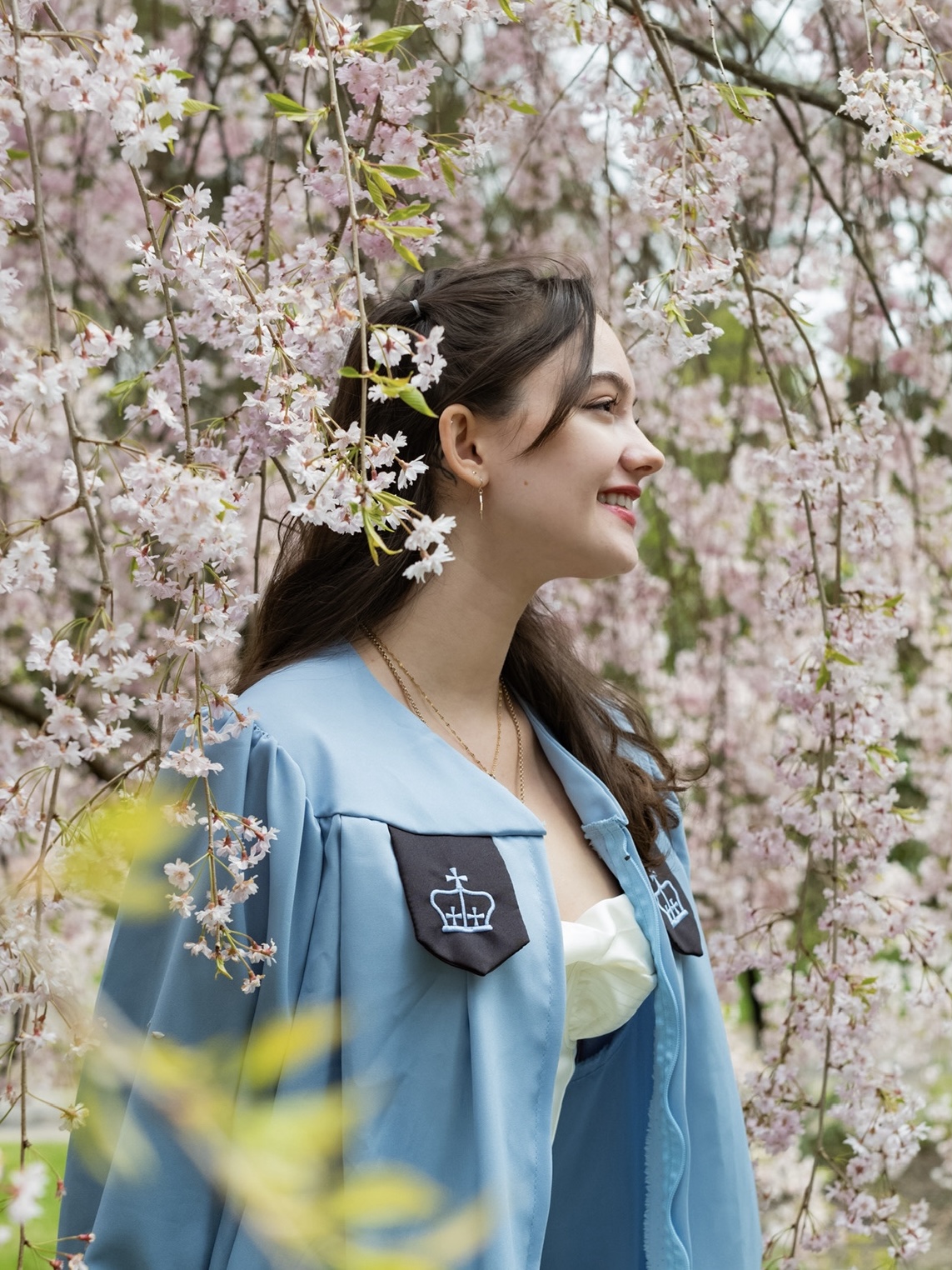
The spring before her graduation, with hundreds of videos under her belt, Soviero contemplated her achievements thus far and what would come next. Rather than rushing straight into medical school, she decided to build something that addressed a gap she had experienced firsthand.
Soviero arrived at Barnard from a low-income household and was the first in her family to pursue science. From the age of 9, she has lived with a chronic disability—severe, ocular migraines that brought temporary blindness, partial paralysis and tremors.
It was from her regular doctor visits as a young girl that sparked a passion for science, which in turn, led her to Barnard.
“Talking to my neurologist about the science behind the migraines made it less scary,” she says.
Soviero would not let her chronic disability stop her – or others.
An avid skater, Soviero volunteered as head coach of the Special Olympics Maryland figure skating team, often scouring PubMed, a free database within the National Library of Medicine, for studies to help her adapt traditional skating curriculum for students with ADHD, down syndrome and schizophrenia.
Inclusivity had become her trademark, for those with disabilities.
She also used PubMed to examine diversity in scientific research.
The lack of diversity left her feeling alarmed, she said. “It was evident to me the scientific research field was not diverse at all. People of color involved are slim to none, while women represent only about 30% of scientific researchers,” she said. "So I thought, what if I do something crazy and create a non-profit whose sole goal is just to inform students about scientific resources?”
She launched Research Girl, a nonprofit, five days after walking at graduation.
What was supposed to be a simple website sharing free resources on conducting research from start to finish, has evolved into much more.
Soviero’s non-profit offers free webinars, lectures and workshops for students who want to pursue scientific research. But she’s also collaborated on events with the Harvard Brain Science Initiative and Columbia University Irving Medical Center, been featured in CNBC and launched a mentorship program that pairs established scientific researchers from institutions like Harvard University, NIH, NASA, and major medical schools with students—from high school freshmen to college seniors—hoping to become scientists in their own right.
More than 35,000 people have benefitted from Research Girl’s resources, according to Soviero, including a few hundred mentees. One college student started a neuroscience and art club at her university with help from her Research Girl mentor.
“Typically, to get mentorship you have to get a lab job, and that’s really inaccessible to high-school and low-income students,” Soviero said.
And while women comprised 95% of Research Girl’s last mentorship cohort, “we’re for anyone who’s underrepresented in STEM,” said Soviero, including people who identify as BIPOC, first-gen or disabled.
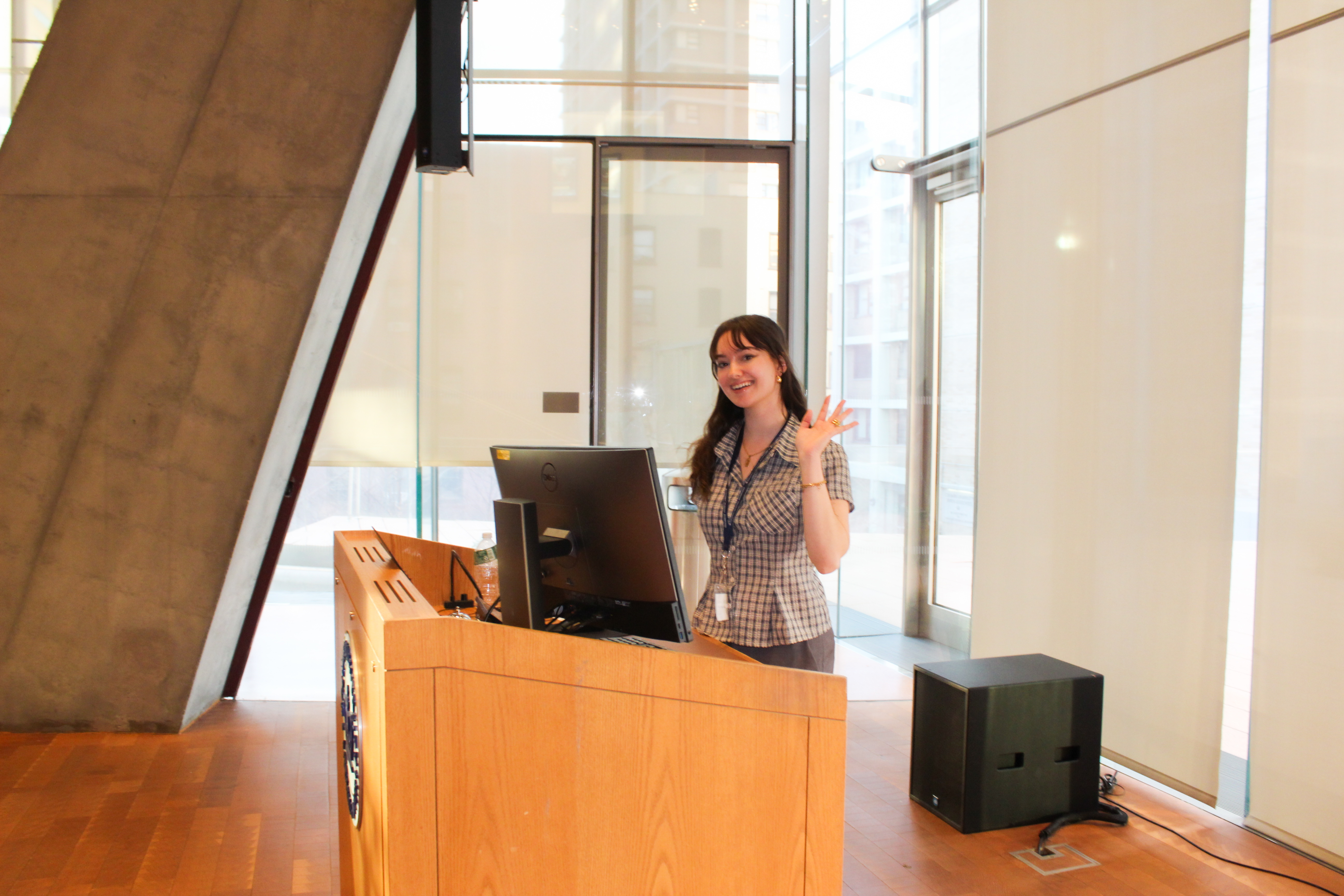
Soviero has big dreams for Research Girl as she works to attract grants and angel investors. In the coming year, she hopes to launch the first Research Girl Women in STEM conference, a chance for students to network with researchers. She wants to create Research Girl chapters in partnership with academic institutions or research centers. It’s a step she hopes will lead to student internships. Other lofty goals include granting students stipends so they can pursue their own research, and developing a searchable research opportunity database.
“Given the current state of scientific research, it’s more important than ever we stick together in these communities to make sure science is protected and that we can continue to do research,” she added.
Pondering her next steps, the idea of attending medical school crossed Soviero’s mind once again. She trained to become an EMT, but the lessons triggered her PTSD. She worried medical school, where she’d study to become a pediatric neurologist, might feel overwhelming. But a daunting experience in 2023 erased any doubts: after seeing the Barbie movie dressed in a puffy pink gown, Soviero pulled a woman from a crashed car on a four-lane highway, saving her life.
“Every time I doubt whether medicine is the right path for me, something happens where I feel like I’ve made a tangible difference in a person’s life,” said Soviero, who’s recovered from PTSD with the help of a trauma therapist.
“And that always reminds me that medicine is the right path for me.”