Lights are on for the first time at the Roy and Diana Vagelos Science Center (RDSC), and the building is on track to open for classes starting next fall. The interior lights offer a glowing preview of what’s to come at Barnard; a future where students and faculty will explore, experiment, and imagine boldly in a space built specifically for STEM.
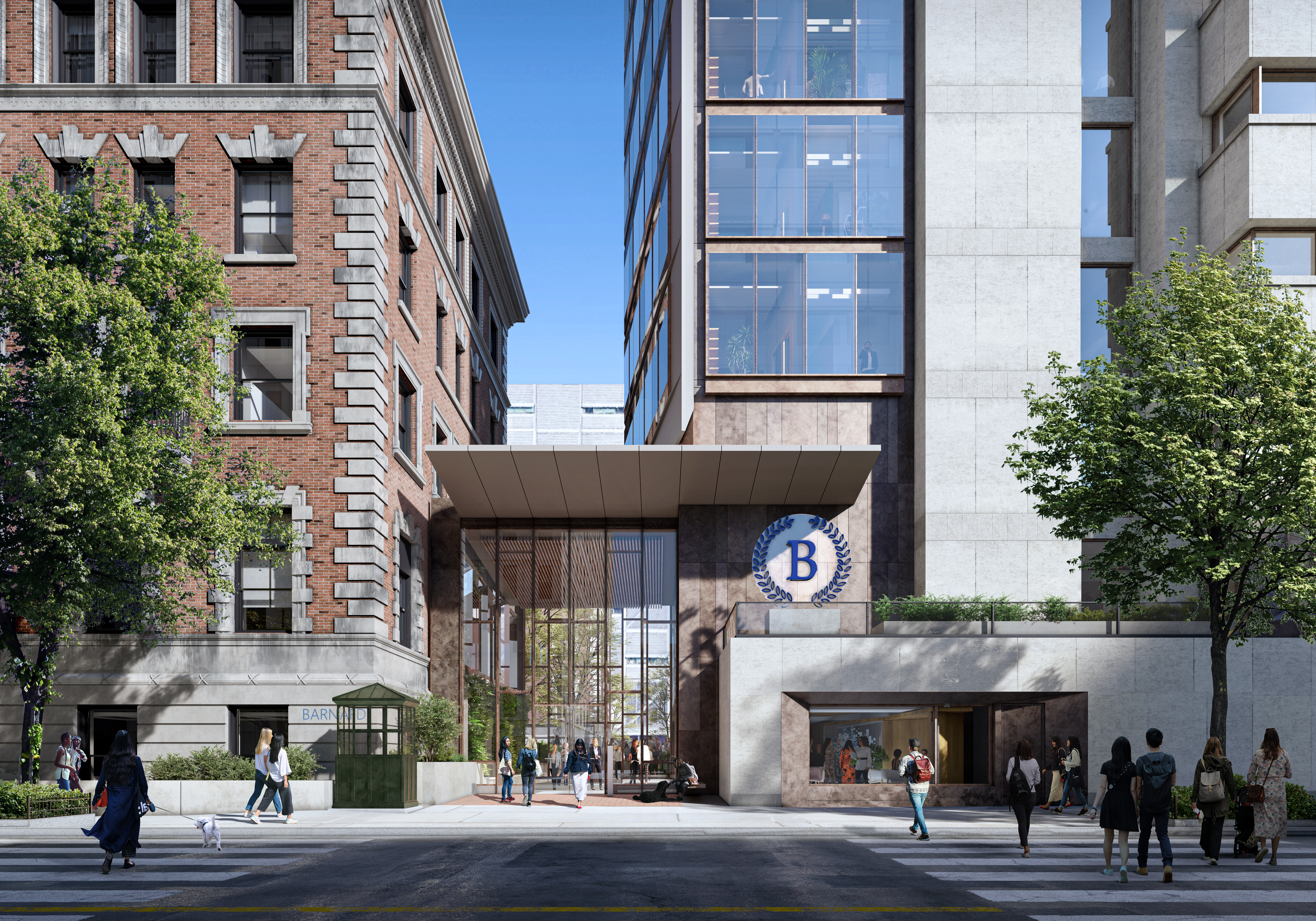
Once completed, the RDSC will be New York City’s first net-zero carbon, all-electric academic science building. It’s the largest gift in Barnard’s history, made possible by the generosity of Diana T. Vagelos ’55 and Dr. P. Roy Vagelos.
The RDSC will cement the College as a hub for innovative scientific teaching and research, featuring state-of-the-art classrooms and labs, and housing all of Barnard’s bench science departments — biology, chemistry, environmental science, neuroscience and behavior, and physics and astronomy. The building will reunite the science departments, which are currently scattered across 14 locations on the Barnard and Columbia campuses.
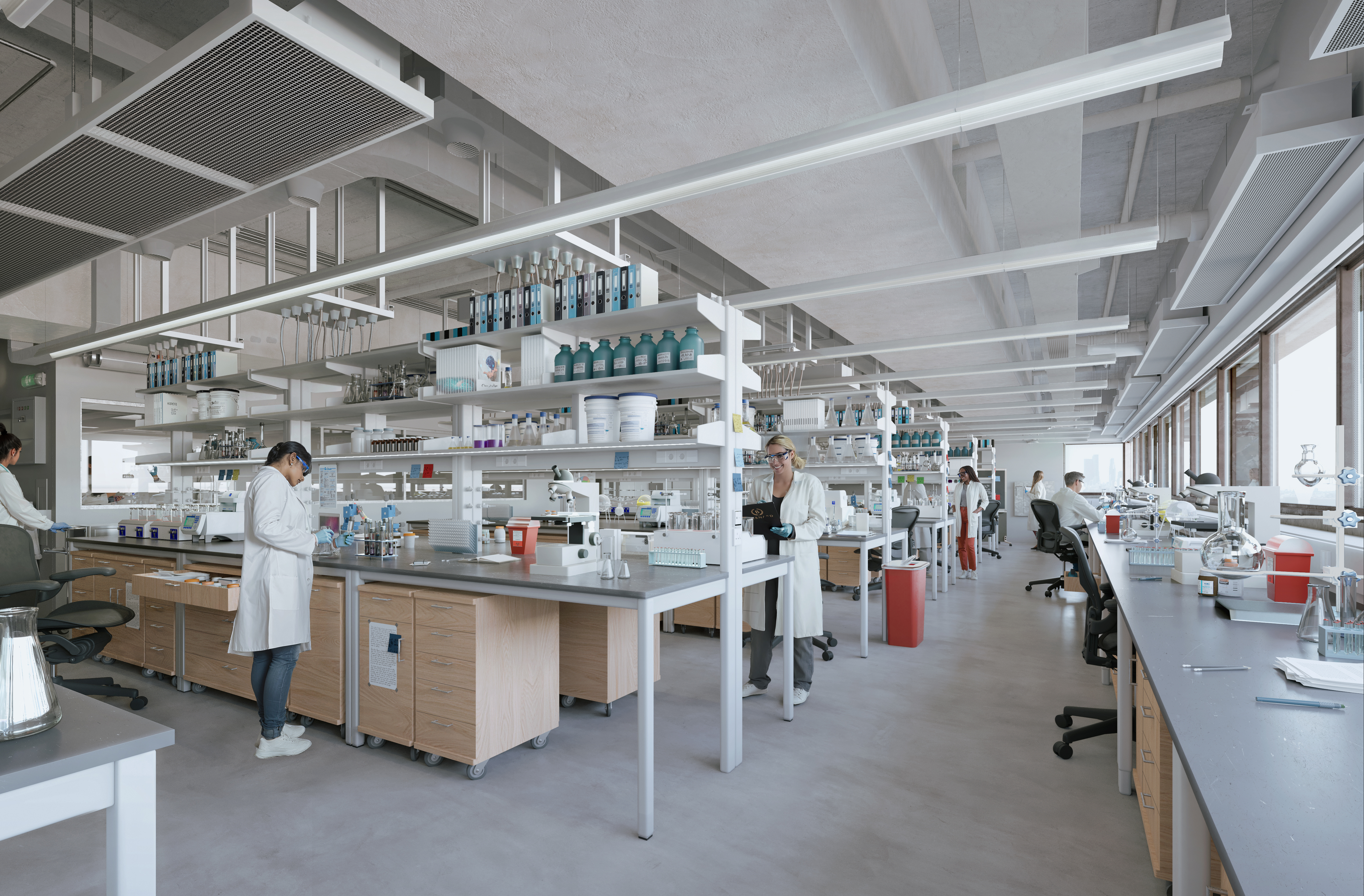
The RDSC will boast 87,000 square-feet of science space to help prioritize the next generation of women leaders in STEM, doubling the current programmable science space and allowing greater opportunities for student research while modernizing teaching labs for accessibility.
Features will include a bioclimatic space and green roof, optimized HVAC system, and Barnard's first ever vivarium — which will enable student scientists to study living organisms.
The RDSC will also become a haven for the greater Morningside Heights and Harlem communities with the addition of the Community Science Center, with plans to host science workshops for local children, interactive science exhibits, and more.
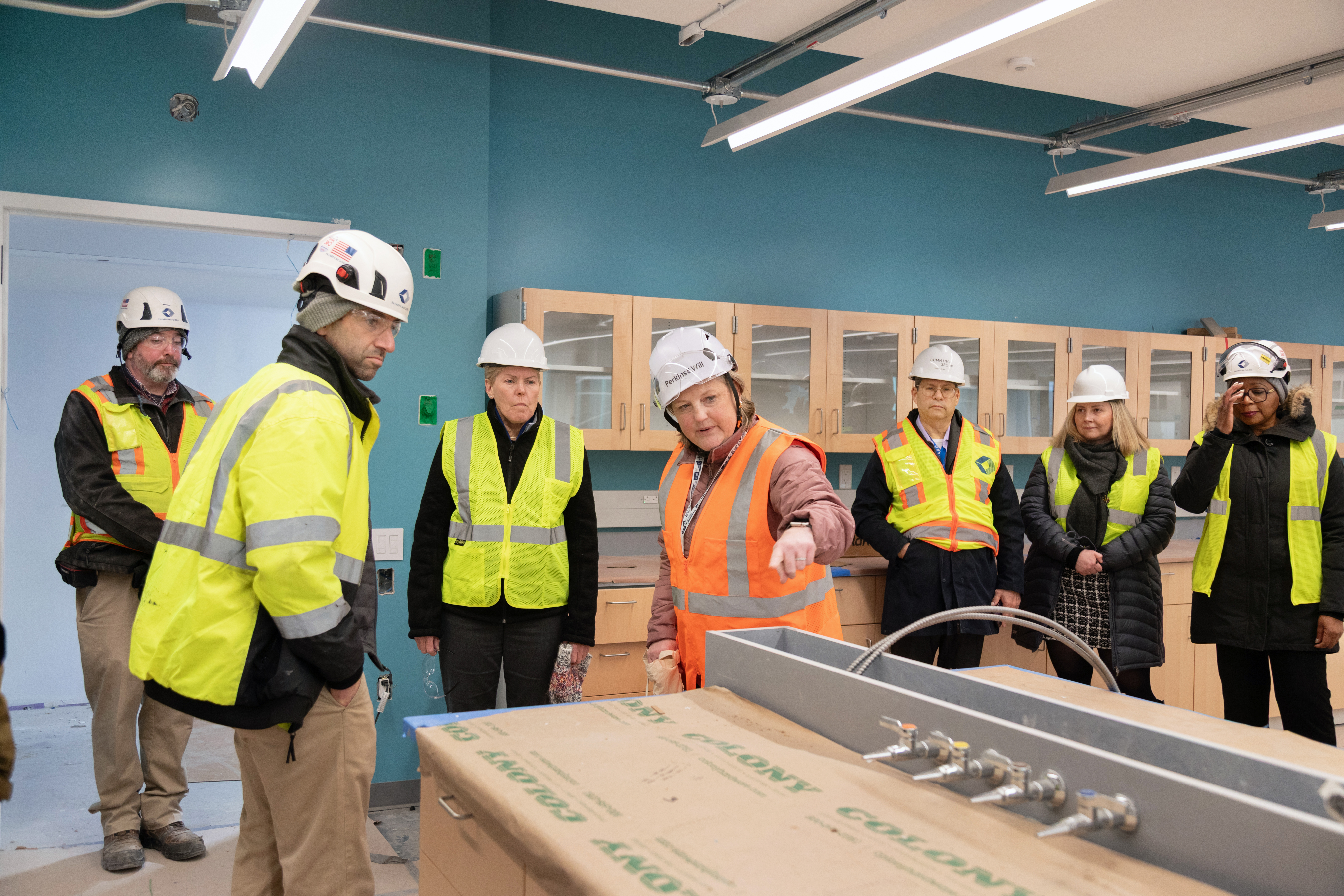
Barnard faculty members have been consistently involved throughout the construction process, ensuring the building accurately encapsulates the needs of the bench science departments.
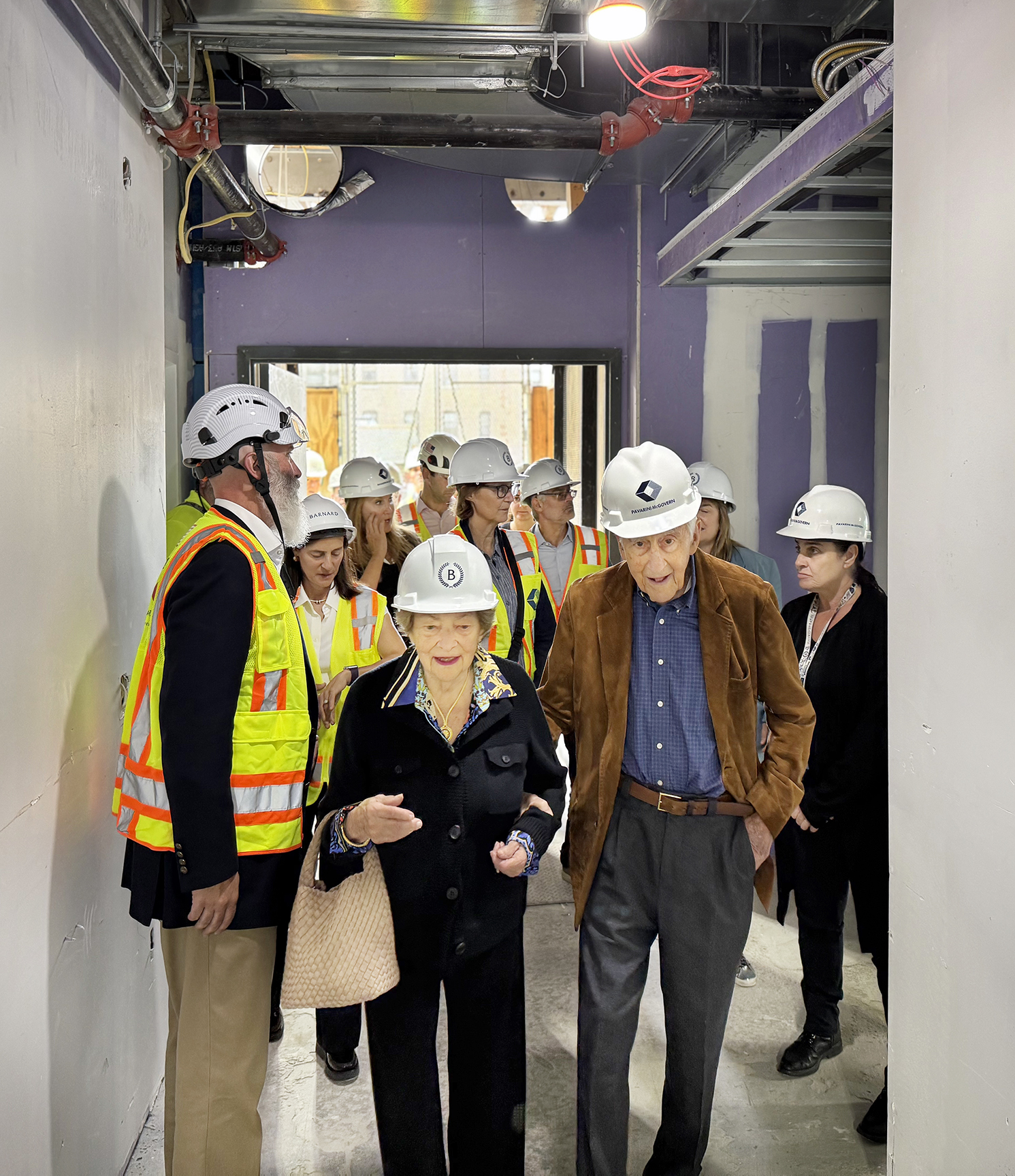
“We heard that the faculty were consulted a lot,” said Diana Vagelos. “That’s so important because it’s all about teaching.”
Dina Merrer, professor of chemistry and dean of science, has been one of the faculty members involved in the building process since its conception. “Every single laboratory, classroom, and meeting space in the RDSC, as well as behind walls, above ceilings, and below floors, has been carefully considered by Barnard scientists to support the high-quality research and teaching we do with Barnard students.”
Through the combined efforts of Barnard's faculty and staff, and their tireless devotion to ensuring the RDSC meets the needs of its students, the College is establishing itself as a leader in women's education across both the arts and sciences.
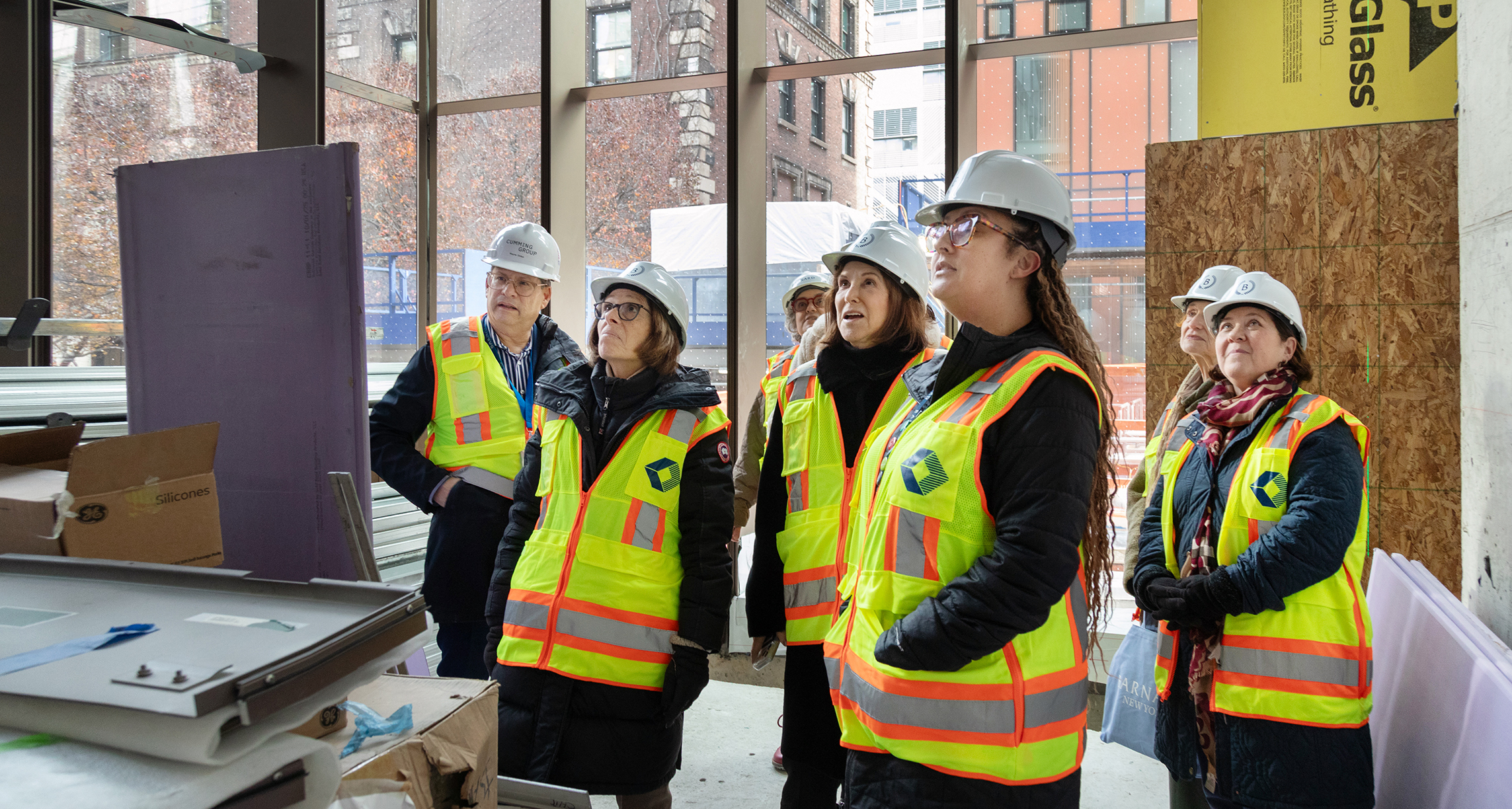
As the lights switch on for the first time, the RDSC stands as a beacon of what’s ahead — a hub where discovery, collaboration, and inclusive excellence will thrive. When doors open in 2026, the Roy and Diana Vagelos Science Center will not only transform the scientific experience at Barnard, but also empower generations of student scientists and community members to imagine brighter and bolder futures in STEM.