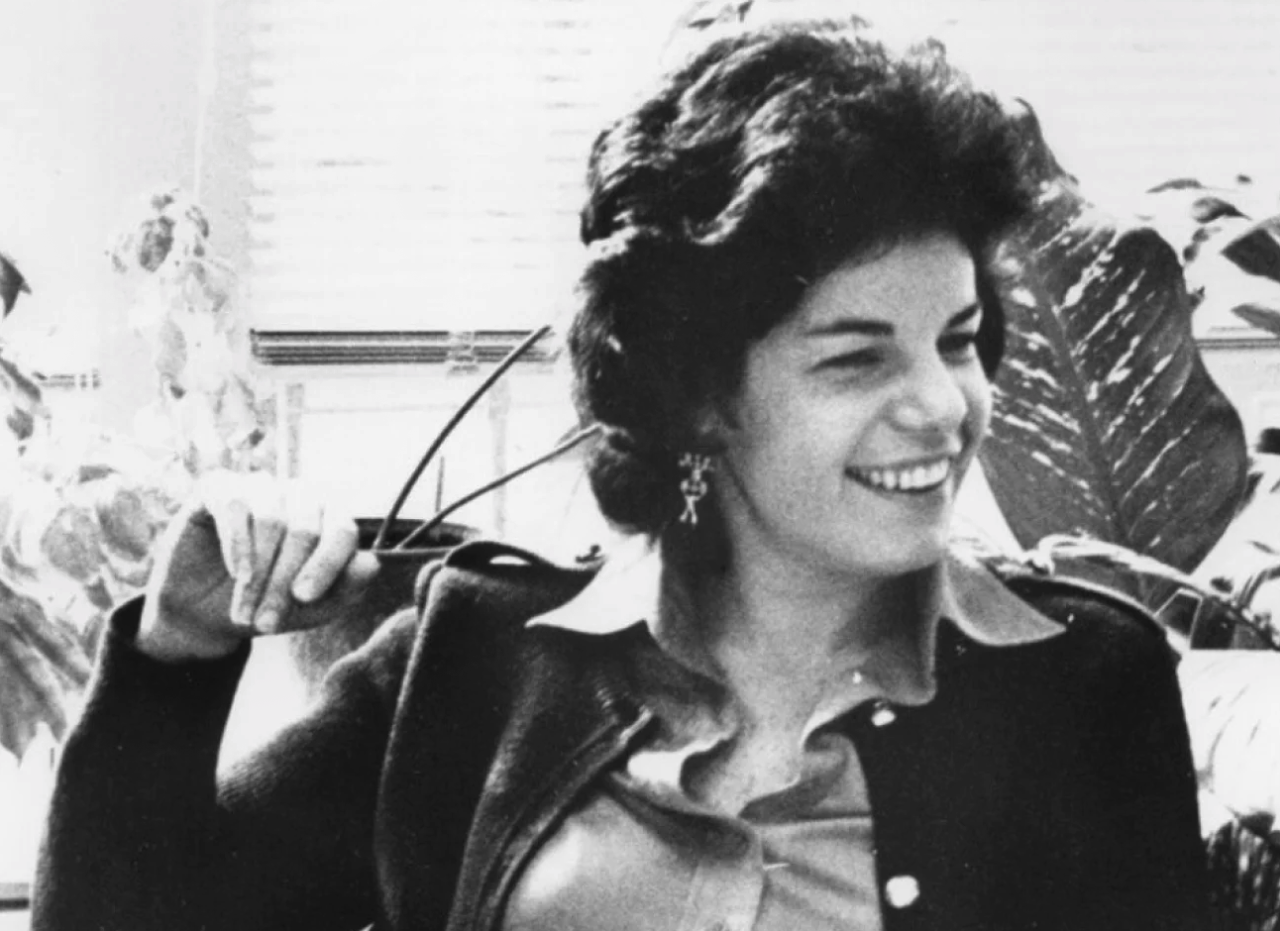
By Theo Balcomb ’09, founder of NYT’s “The Daily” and mentee of Stamberg
While I was at Barnard, I acquired a dream that occasionally verged on obsession: I wanted — no, needed — to work at NPR. But how? The institution wasn’t a building you could enter, was it? Instead it was a sound, both omnipresent and illusive.
Senior year, I found myself at a panel presentation in that ornate room in Barnard Hall that makes everything seem more grand than it might otherwise. It featured a woman named Lauren Sandler, a Barnard alumna who happened to mention that she’d worked at NPR for a time. I gasped. She glowed, an orb of my future. It was as if I were encountering a vision of my possible life – if only I could connect the dots to my destination. But because Lauren did it, so could I. When I approached her after the panel and confessed my dream, she offered to help me connect with her former colleague at NPR: Susan Stamberg, a Barnard alumna herself and one of the network’s founding mothers.
Part of Barnard’s magic is the opportunity to meet so many women whose accomplishments are only matched by their eagerness to support the young people following in their footsteps. There was never a greater example of this than Susan.
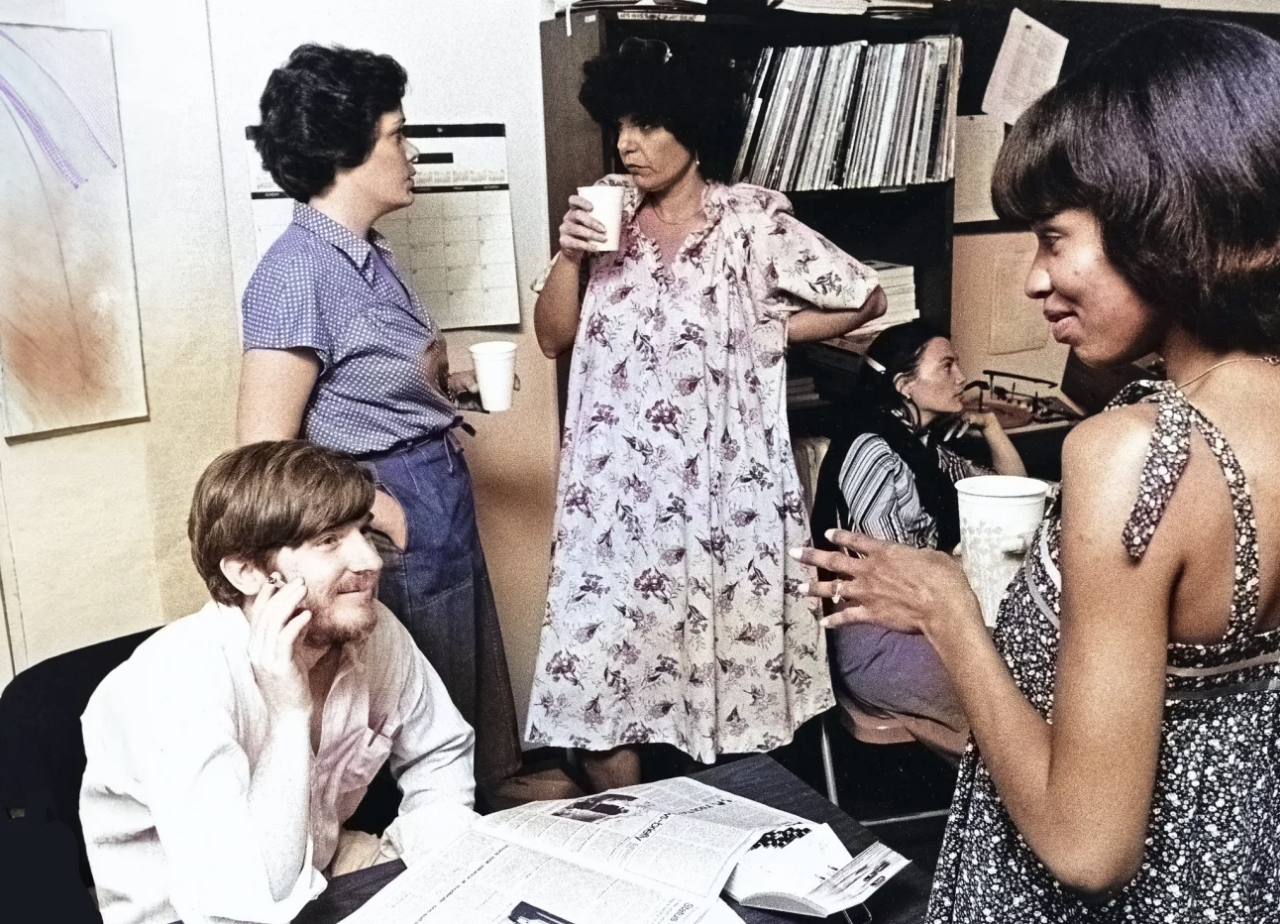
After we were put in touch, I told Susan I was applying for literally every internship offered at NPR. She promptly returned my note, offering concrete advice and encouraging me. Susan’s message not only gave me a much-needed boost. It also introduced me to one of her defining characteristics, which I’d come to experience time and time again: In just a few words, Susan could make people feel part of something bigger than themselves, and make them feel that they deserve it too.
I don’t know for certain, but I believe Susan put my resume on the desk of the executive producer of All Things Considered. At any rate, not too long afterward, this producer called me out of the blue as I walked along Broadway. I ducked into Mondel Chocolates, a staple in Morningside Heights, as he offered me the internship that I was so desperate to earn. And not too long after that, I was in the newsroom myself, finding my footing amid deadline-driven chaos. It was a big adjustment, but I had my inspiration right there in front of me: Because Susan had done it, so could I.
Eventually, the two of us became friends, and with her support, I flourished. My trajectory took me from producing audio, to running All Things Considered myself, to finally departing NPR to create a daily news podcast — the first of its kind — with The New York Times. Through it all, Susan and I remained in touch.
When I had my first baby with my spouse — whom I met at NPR, by the way — I knew I had to tell Susan. Her compliments on my parenting and my work — “elegant,” “a new sound book,” “so Theo” — meant more to me than just about any others. Few people could push me forward with so few words.
When Susan died in October, it became clear that mine was far from the only life she had changed for the better. For instance my friend Sonari Glinton, who worked with Susan at NPR, recalled one lunch in which Susan asked him, “When was the last time you learned to do something new? Really new?” This question from Susan, who was then in her seventies, inspired Sonari to take up baking. For years now, he and I have sustained our long-distance friendship by sharing photos of our cheesecake triumphs. I had no idea that Susan was partly to thank for this.
“Well, if it means anything,” Sonari texted me on the day Susan died, “she spoke about you with a lotta f—--- pride.” It means more to me than I could ever adequately express here.
OK, allow me one more (there are so many): Lynn Neary, another longtime NPR reporter, recalled something Susan told her in the dark days after Lynn’s husband died: “You’ve got to produce your own life.” I carry that advice with me, as well.
Remembering Lauren’s kind support, which in turn led me to Susan’s, I try to connect with as many younger Barnard women as I can. Nothing would make me prouder than to be able to sustain this chain that has pulled me and so many others forward.
It’s not an exaggeration to say Susan’s support made my whole life possible. And I have said exactly that, more times than I can count, including shortly after her death to another friend. She replied: “Maybe someone someday will say this about one or two of us: ‘She made my whole life possible.’ ”
Because Susan did it, so can I.
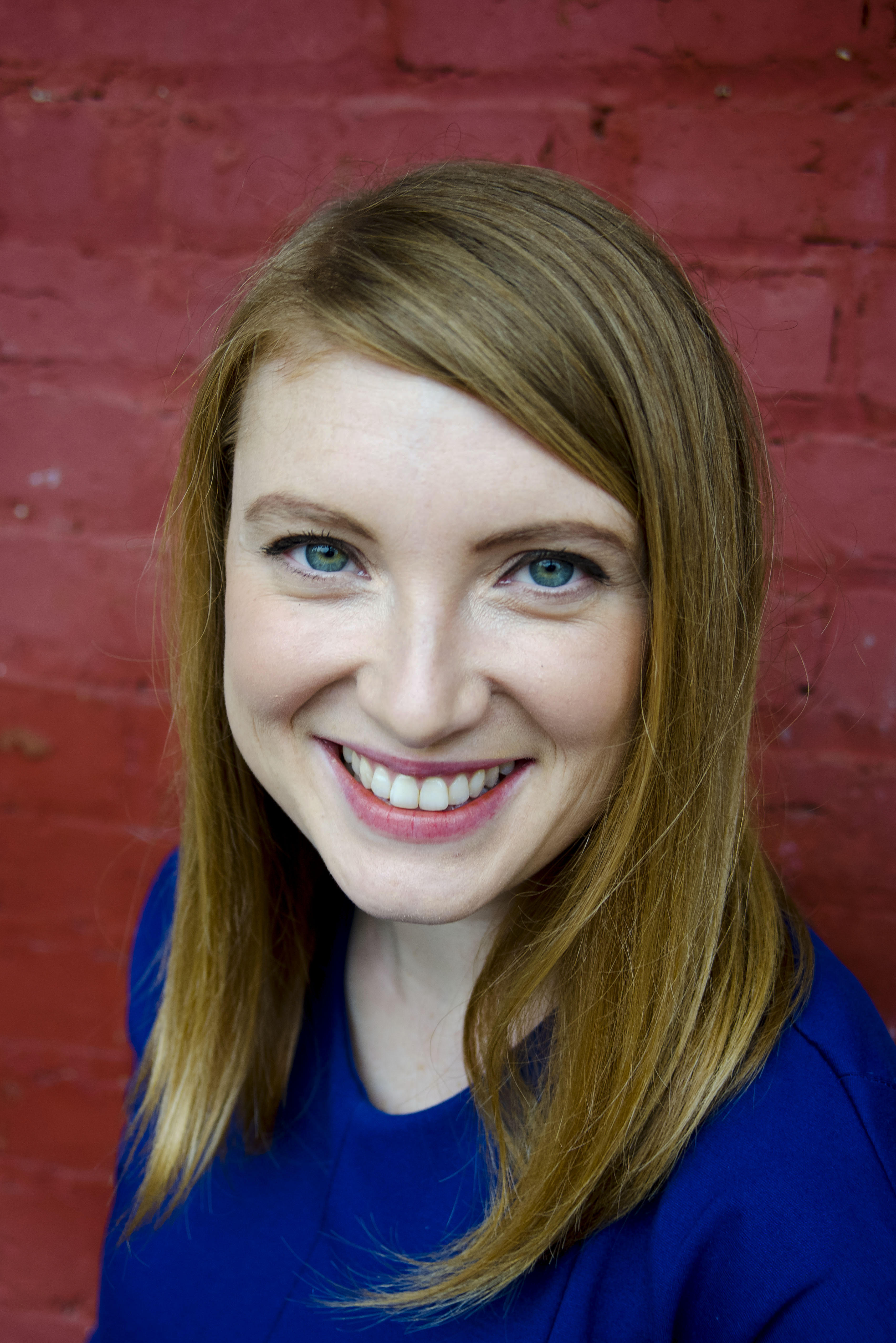
Theo Balcomb created The Daily at The New York Times in 2017. Under her leadership, the podcast reached an audience of more than 4 million listeners a day and more than 200 public radio stations, won a duPont award, and served as part of multiple Pulitzer Prize-winning submissions. Before The Daily, she was the youngest-ever supervising producer of All Things Considered at NPR. These days, she is working as an independent editor and producer on projects across the storytelling industry, including the podcast Song Exploder, The Washington Post’s investigative series The Empty Grave of Comrade Bishop, a 2024 Peabody award winner, Broken Doors, a 2022 Pulitzer finalist, and Field Trip, a 2024 duPont award nominee.