Beginning in March, Barnard launched a new event series, “Hot Topics in Higher Education,” creating space for faculty, staff, and students to engage in thoughtful conversations regarding the current higher education climate.
Sponsored by the President's Office, the Provost's Office, the Office of the General Counsel, and the Francine A. LeFrak Center for Well-Being, the series explored some of the most pressing issues facing colleges and universities today, from free speech and academic freedom to the shifting economics of higher education.
“Higher education is experiencing a period of profound change, and it is essential that colleges create time and space for thoughtful dialogue around the issues affecting our communities,” said Provost and Dean of the Faculty Rebecca L. Walkowitz, one of the event sponsors.
The three-part spring series commenced in March with “Know Your First Amendment Rights,” a workshop led by Emerson Sykes, a senior staff attorney with the American Civil Liberties Union. The interactive session examined the role of free speech and protest rights in the United States, particularly within academic settings.
The next installment in April, “Academic Freedom: A Discussion,” brought together leading scholars and legal experts to examine the past, present, and future of academic freedom in the United States. The event was moderated by President Laura Ann Rosenbury. The discussion focused around the rights, challenges, and responsibilities tied to academic inquiry and institutional independence. Panelists included Barbara Lee, an attorney and professor of higher education law at Rutgers University, and David Rabban, a professor at the University of Texas School of Law, former counsel to the American Association of University Professors, and author of Academic Freedom: From Professional Norm to First Amendment Right.
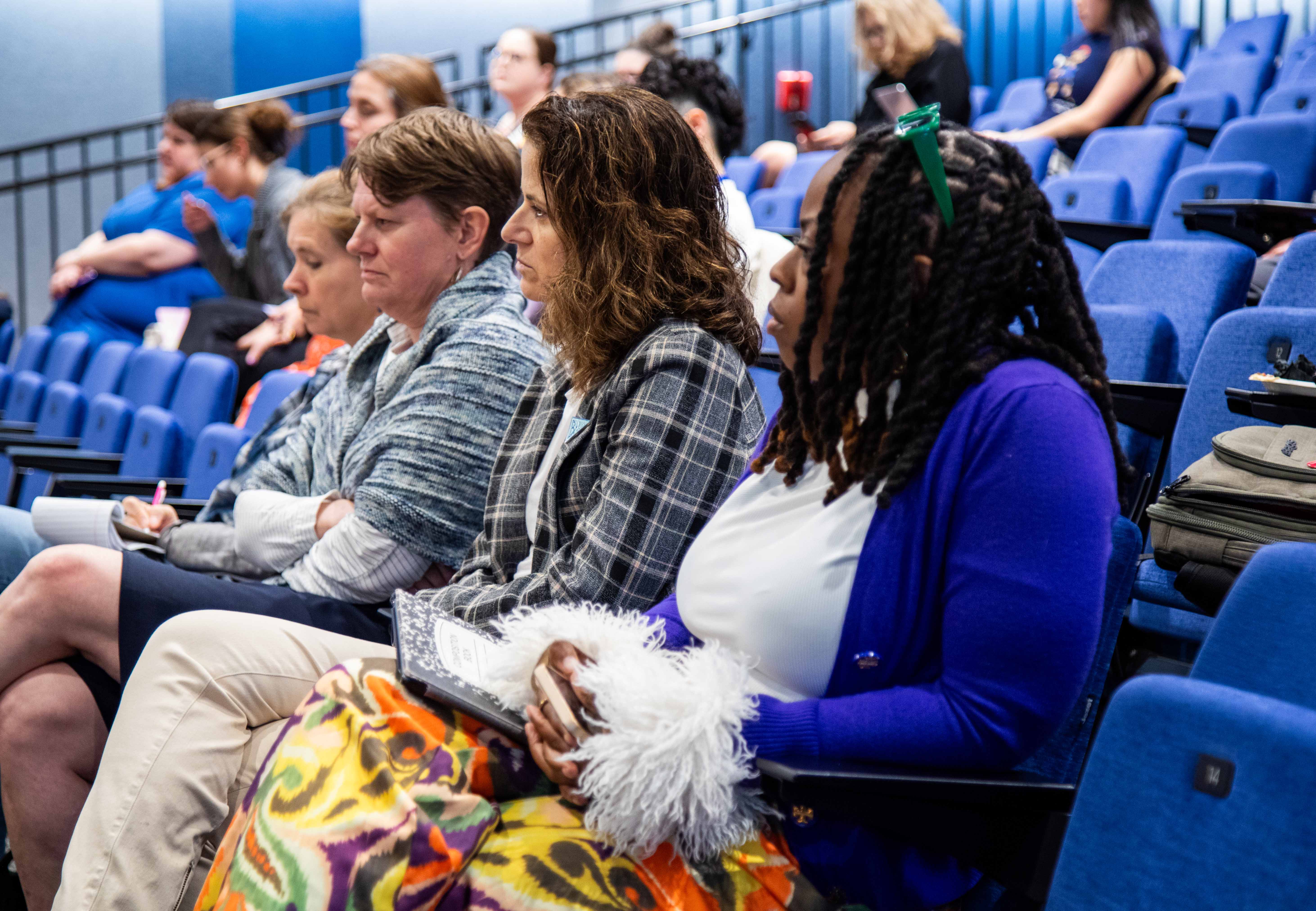 The spring series ended in May with “Higher Education Finance: A Shifting Landscape,” a conversation focused on the rapidly changing economics of higher education. The discussion featured economist and former Vassar College President Catharine Bond Hill alongside Barnard Vice President for Enrollment Jennifer Fondiller and Chief Financial Officer Sharon Hewitt Watkins.
“As the cost and affordability of higher education continue to shift, it’s important that we create opportunities for transparent and informed conversations about what these changes mean for students, their families, and our institution,” said Fondiller.
Explored topics included increases in endowment taxes and cuts to federal research funding that may affect higher education institutions in the United States.
“This series was designed to bring students, faculty, staff, and alumnae together to engage with these topics in a meaningful way, to understand the challenges facing higher education today, and to create opportunities for curiosity, open dialogue, and learning,” Walkowitz added.
The lecture series offered the Barnard community an opportunity to engage directly with the issues affecting higher education today, fostering dialogue, reflection, and a deeper understanding of these challenges as we enter a new chapter of academia.