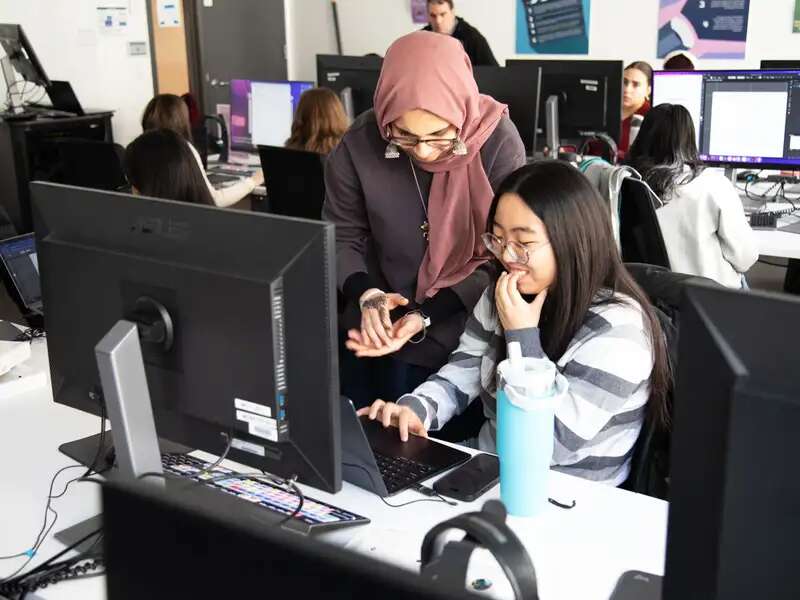
The Webcomics Revolution course ushers students through the evolution of traditional print comics to webcomics, along with hands-on opportunities to use the digital technologies and tools that produce them.
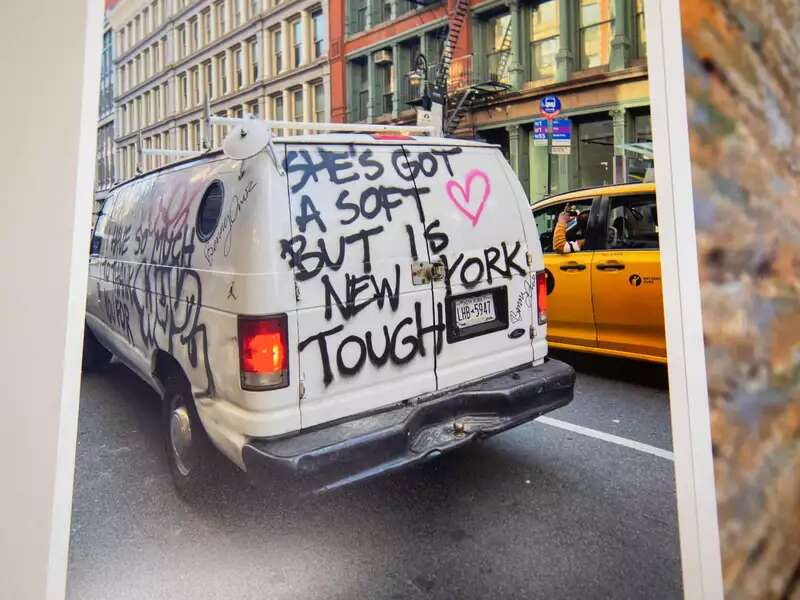
In Supervised Projects in Photography, students have the opportunity to cultivate a creative eye that captures the world around them.
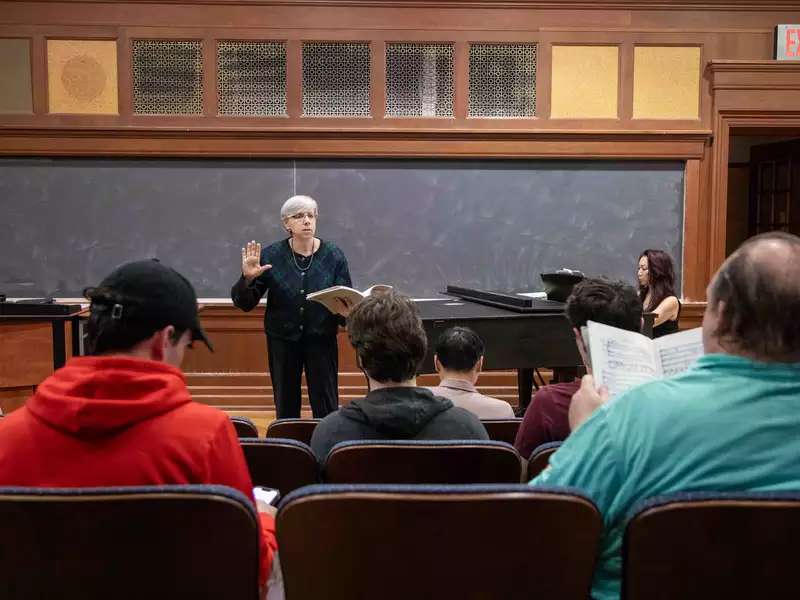
In the introductory music course with the Barnard-Columbia Choir, students discover the sounds and stories that lend classical music its reputation as a timeless genre.

In British Portraits: Identity, Empire, and the Museum, students look at the creation and conceptualization of 18th-century portraits with a contemporary perspective.
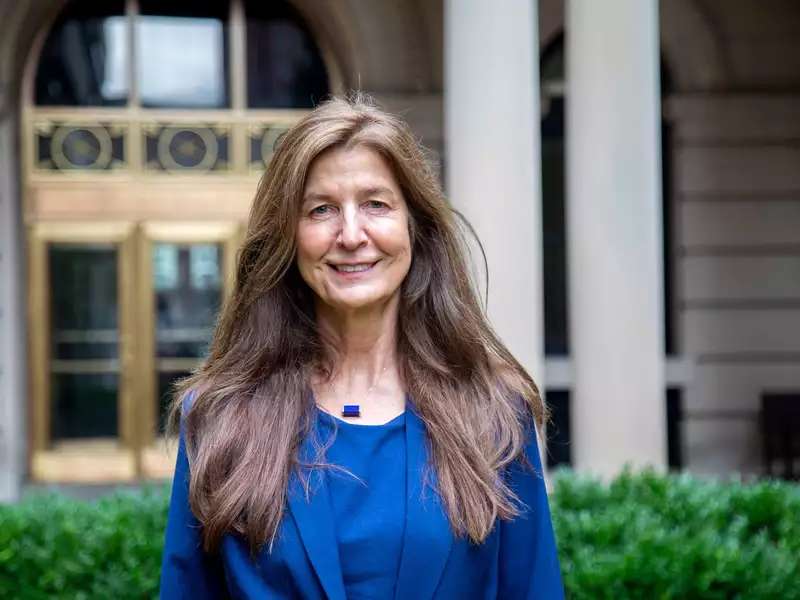
In Introduction to Neuroscience, students wrap their heads around the “final frontier” — the human brain.
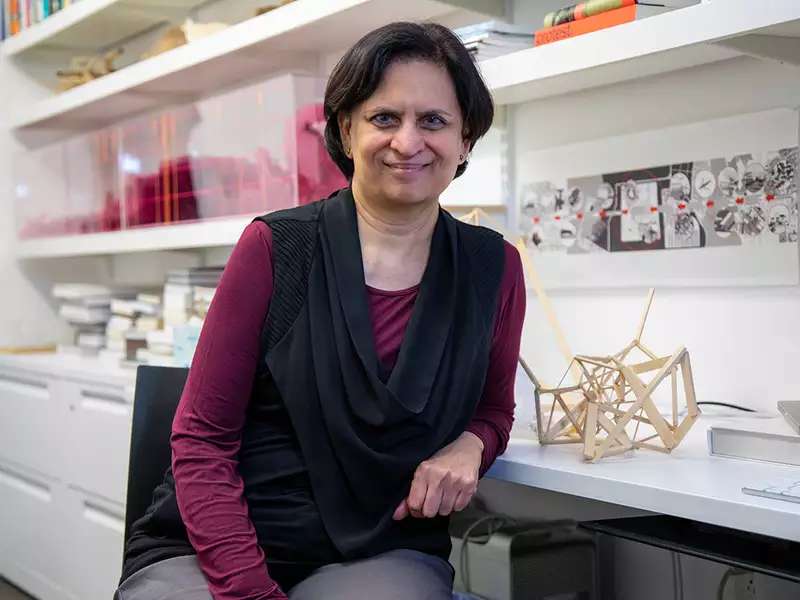
In the Design for Diplomacy course, students research the participatory role design plays in embassies and consulates across the world.
In The Ancient Table: The Archeology of Cooking and Cuisine, students study how food has been made, shared, and eaten throughout history.
In Computational Text Analysis, students gain the computer science knowledge necessary to answer their biggest research questions.
Zarghamee’s Economics of Gender course engages with women’s unique relationships to career and family.
White’s Visual Neuroscience course unpacks the intricacies of how we see.
In her Animal Behavior course, students will gain a deeper appreciation for the behaviors of the animal kingdom — even in times of quarantine.
In her course “Why Do Bad Things Happen to Good People?” McDermott uses four different world religions to explore how people have dealt with the question throughout the ages.
In Brenner’s environmental science course, students work collaboratively with nonprofit environmental justice organizations to address issues of sustainable development.
In American Monument Cultures, students explore the significance of monuments throughout history, using digital humanities platforms to engage with the cultural and political power of public structures.
Professor Miranda’s Microbiology course shifts gears this fall to focus on COVID-19.
Professor Nadasen’s seminar COVID-19 and Care Work: An Oral History Approach looks closely at COVID-19’s impact on essential workers.
The history professor aims to help students understand the causes and effects of inequity with the course Reproducing Inequalities: Family and Latin American History and Society.
In Callahan’s “Healthier Lives” biology course, students will tackle academic work at the intersection of COVID-19, Black Lives Matter, and the climate crisis.
For her new First-Year Seminar Technology & Society, the professor of computer science will help students explore all facets of technology.